

When I first walked into a showroom looking for a commercial-grade espresso machine, the sales rep handed me a brochure that read like a lease agreement. It struck me that the appliance world is quietly undergoing a financing revolution, and it’s a shift that small and midsize businesses can’t afford to ignore. This isn’t about buying a dishwasher for a few hundred dollars; it’s about treating high‑performance appliances as subscription services that align cash flow, technology upgrades, and sustainability goals.
From Capital Expenditure to Operational Flexibility
Traditional procurement models for appliances—especially in hospitality, coworking spaces, and boutique gyms—have always hinged on large upfront capital outlays. The logic was simple: buy once, own forever, and hope the machine lasts a decade. In reality, the lifespan of a high‑speed commercial refrigerator or an AI‑enhanced oven is often cut short by evolving food safety standards, energy‑efficiency mandates, and the relentless march of IoT capabilities.
Subscription‑based appliance programs flip this equation on its head. Rather than treating a piece of equipment as a static asset, businesses now pay a predictable monthly fee that bundles hardware, maintenance, software updates, and even eventual upgrades into one line item. The result? A smoother balance sheet, reduced risk of obsolescence, and a clear path to greener operations.
Why the Model Works for Modern Workspaces
Think about the rise of nature‑first coworking spaces that blend office ergonomics with outdoor wellness. These environments demand appliances that are as adaptable as the people using them. A coffee station that can scale from serving ten to one hundred employees, a kitchen that can pivot from regular lunches to catered events, and climate‑controlled storage that meets varying health codes—all without a massive capital hit.
Subscription models answer that need by offering tiered plans that can be adjusted on a quarterly basis. Need an extra steam oven for a pop‑up culinary workshop? Add it for a month and roll it back when the event ends. This elasticity mirrors the way SaaS companies have been handling software for years, and it brings a similar comfort to the physical world of appliances.
Built‑In Maintenance: The Hidden Cost Saver
One of the biggest pain points for small businesses is unexpected downtime. A broken ice machine in a bar or a malfunctioning convection oven in a bakery can cripple revenue for hours, if not days. Subscription contracts typically include 24/7 remote monitoring, predictive maintenance alerts, and on‑site service calls.
By leveraging IoT sensors, providers can detect anomalies—like a compressor working harder than usual—before they become costly failures. This proactive approach not only extends the lifespan of the equipment but also saves businesses from the dreaded “repair bill surprise” that often follows a breakdown.
Data as a Service: Turning Appliances Into Insights
When appliances are connected, they become data generators. A smart refrigerator can track temperature fluctuations, usage patterns, and even inventory levels. An AI‑enhanced dishwasher can report water consumption, cycle efficiency, and loading habits. All this data is invaluable for businesses looking to optimize operations and reduce waste.
For example, a restaurant can use real‑time temperature logs from its refrigeration units to fine‑tune food safety protocols, while simultaneously feeding that information into its compliance software. The result is a tighter feedback loop that improves both customer safety and operational efficiency.
Environmental Benefits Without the Green‑Washing
Many companies tout “green” initiatives, but the subscription model delivers tangible sustainability outcomes. By ensuring appliances are regularly upgraded to the latest energy‑efficient standards, businesses avoid the trap of operating outdated, power‑hungry equipment. Moreover, providers often handle end‑of‑life recycling, ensuring that old units are responsibly processed.
In fact, the energy‑smart enterprises approach shows how aligning with smart‑grid technologies can turn volatile electricity prices into profit opportunities. When your appliances are part of a subscription service, they can be programmed to run during off‑peak hours, automatically shifting loads and reducing your carbon footprint.
Financial Predictability Meets Innovation
Cash flow is the lifeblood of any small business. By converting a large, unpredictable CAPEX expense into a steady OPEX subscription, owners gain budgeting clarity and can allocate funds toward growth initiatives—like marketing, talent acquisition, or new product development.
Additionally, subscription providers often bundle software upgrades that bring AI‑driven optimization tools to the hardware. Imagine a coffee machine that learns peak usage times and pre‑heats to reduce wait times, or a sous‑vide system that adjusts temperature profiles based on real‑time humidity data. These innovations become instantly accessible without the need for a separate technology purchase.
Choosing the Right Provider: Questions to Ask
- What’s included in the monthly fee? Clarify whether maintenance, software updates, and hardware upgrades are covered.
- How flexible are the contract terms? Look for month‑to‑month options or easy scaling clauses.
- What data privacy measures are in place? Ensure that any data collected by the appliances is secured and compliant with industry regulations.
- Is there a clear end‑of‑life recycling plan? Sustainable disposal of old equipment should be part of the service.
Real‑World Example: A Boutique Hotel’s Kitchen Transformation
A boutique hotel in a bustling city decided to replace its aging kitchen appliances with a subscription bundle that included a combi‑steamer, a high‑capacity espresso machine, and a smart refrigeration suite. Within three months, the hotel reported:
- 15% reduction in energy costs thanks to off‑peak scheduling.
- Zero unplanned downtime, as the provider’s predictive maintenance flagged a minor compressor issue before it escalated.
- Improved guest satisfaction scores, linked to faster service times from the AI‑optimized espresso machine.
- Enhanced sustainability reporting, leveraging the data dashboards provided with the subscription.
This case underscores how the subscription model can deliver immediate operational benefits while laying the groundwork for long‑term strategic growth.
Integrating Digital Tools for Seamless Management
Managing multiple subscription appliances can feel daunting, but modern digital platforms simplify the process. A unified dashboard lets you monitor performance metrics, schedule service visits, and adjust subscription tiers—all from your laptop or mobile device.
Pairing this dashboard with digital shopping lists can further streamline inventory management. When your smart fridge detects low stock of certain ingredients, it can automatically add them to a shared list that syncs with your supplier’s ordering system, ensuring you never run out of essentials.
Future Outlook: The Appliance-as-a-Service Ecosystem
As more businesses recognize the strategic advantages of subscription appliances, the ecosystem will expand. Expect to see:
- Specialized bundles for niche industries—think dental offices, craft breweries, and pop‑up retail.
- Integration with broader IoT platforms that coordinate lighting, HVAC, and security with kitchen equipment for holistic building management.
- Dynamic pricing models that reward energy‑saving behavior, turning sustainability into a direct financial incentive.
- Greater collaboration between appliance manufacturers and fintech firms to offer flexible financing options beyond simple monthly fees.
For forward‑thinking businesses, embracing the subscription model isn’t just a cost‑saving measure; it’s a strategic move that aligns technology, finance, and sustainability into a single, agile framework.
So, the next time you’re evaluating a new piece of equipment, ask yourself: am I buying a static asset, or am I stepping into an ecosystem that evolves with my business? The answer could define how resilient and innovative your operation becomes in the years ahead.

Lauren Miller is a true outdoors enthusiast who has found her passion in the trades. When she's not working hard on the job, you can find her writing, camping, fishing, and exploring all that nature has to offer. A dedicated partner to her wife Beth, Lauren loves nothing more than spending quality time together and experiencing the great outdoors side by side.
Related Posts
From Disposable to Durable: Rethinking Appliance Design for Longevity and Repairability
A deep dive into modular design, local predictive maintenance, and the right‑to‑repair movement,... Read More
Predictive Maintenance: Turning Your Appliances Into Proactive Partners
Explore the rise of predictive maintenance in home appliances, learning how smart sensors, AI, and s... Read More
The Evolution of Laundry: How LG’s Latest Combo Redefines the All-In-One Experience
For decades, the laundry room has been governed by a binary choice: sacrifice floor space for a stac... Read More
Top Posts
Zero Trust for WordPress: Harden Your Site Like a Pro
Zero Trust transforms WordPress security by treating every user, request, and plugin as untrusted until verified. This guide walks you through identity hardenin...Read More
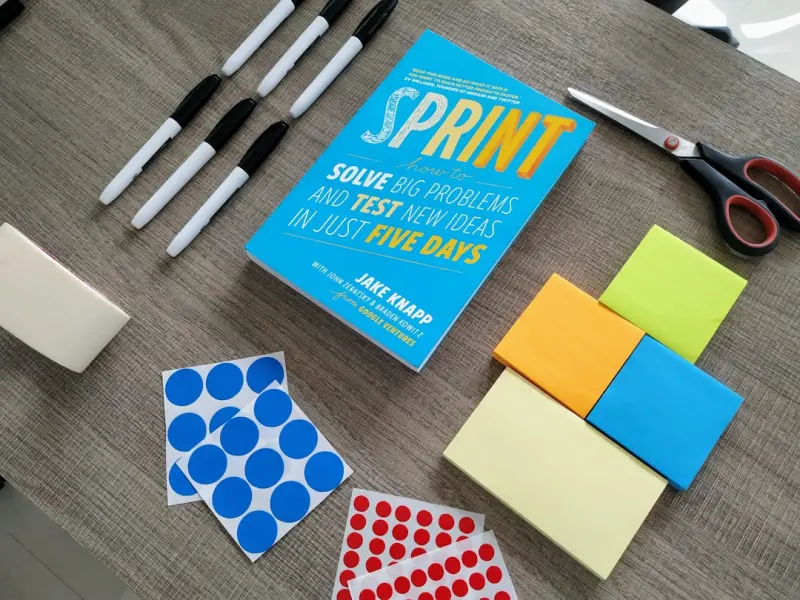
Why the Sprint Mindset Is Reshaping Modern Politics
A deep dive into how political leaders are adopting sprint‑style tactics—fast messaging, real‑time data, and agile policy—to meet today’s rapid‑fire...Read More
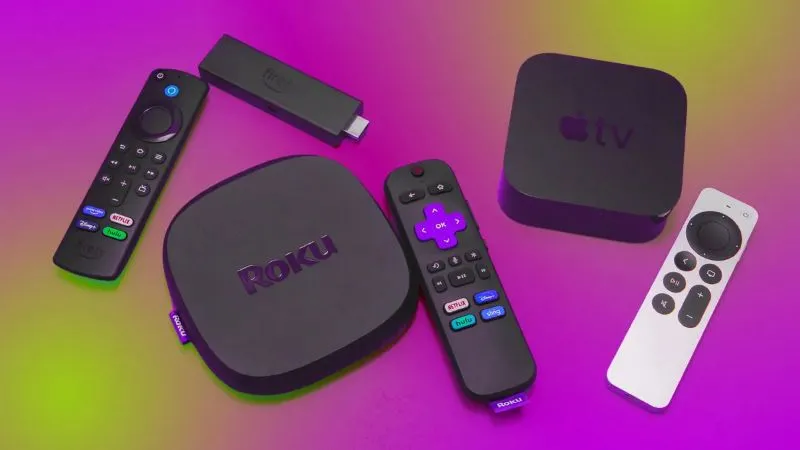
Couch potatoes weigh in on the best streaming devices?
In an era defined by readily accessible digital content, the choice of a streaming device has become paramount to optimizing the home entertainment experience. ...Read More

The Impact of Social Media on Professional Sports
Social media is revolutionizing professional sports, changing the way athletes build their brand, interact with fans, and engage with the media. Learn more abou...Read More
0 Comments
Post Comment
You will need to Login or Register to comment on this post!