
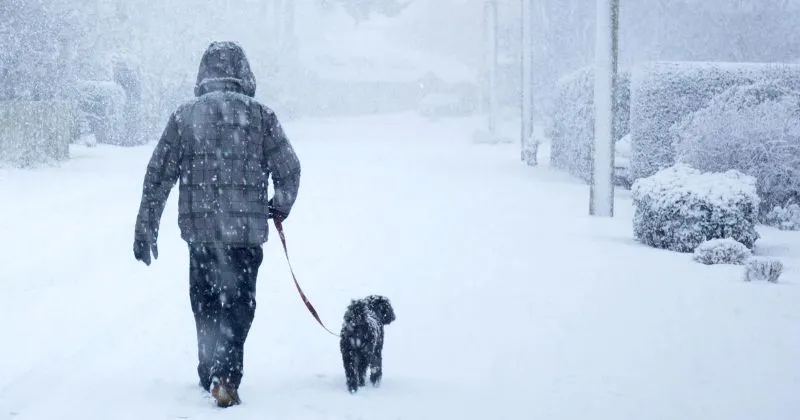
Winter storms can transform landscapes into winter wonderlands, but they also pose significant risks to our pets. As temperatures plummet and snow accumulates, pet owners must prioritize their companions’ safety. While dogs and cats are resilient, they are vulnerable to cold stress, frostbite, and the toxic effects of de-icing salts. This guide outlines practical strategies to protect pets from the dangers of snow, ice, and winter chemicals, ensuring their well-being during snowstorms and other winter weather events.
1. Preparing for Snowstorms: Indoor Safety First
Before a snowstorm hits, creating a secure indoor environment is paramount. Pets should never be left outside unsupervised during severe winter weather, as prolonged exposure to cold can lead to hypothermia or life-threatening conditions.
Designate a Cozy Indoor Space
Provide a warm, draft-free area for your pet to retreat to. Use blankets, insulated dog houses (for outdoor pets), or heated pet beds to create a comfortable nook. If your pet is used to sleeping outdoors, transition them indoors gradually to avoid stress.
Assemble an Emergency Kit
Prepare a pet-specific emergency kit containing:
- Non-perishable food and clean water (enough for 3–5 days).
- Extra blankets or heating pads (set to low to prevent burns).
- Medications and a first-aid supply.
- Copies of your pet’s vaccination records and identification tags.
- A sturdy leash, harness, or carrier for quick evacuation if needed.
Avoid Sudden Cold Exposure
If your pet must go outside for bathroom breaks or walks, keep sessions short and avoid windy or icy areas. Use pet-safe snow boots or protect their paws with ointments like Vaseline or commercial balm to prevent ice balls from forming between their toes.
2. Protecting Pets from Snow and Ice
Snow and ice present physical hazards that can harm even the hardiest pets. Frostbite and hypothermia are real risks, particularly for short-haired breeds, elderly pets, and those with health conditions.
Monitor for Cold Stress
Frostbite typically affects the extremities: ears, tails, paws, and nose. Symptoms include gray or white discoloration, swelling, blistering, or numbness. Hypothermia signs include shivering, lethargy, shallow breathing, and weakness. If you suspect either condition, seek veterinary care immediately.
Use Protective Gear
- Cats and Dogs: Consider a waterproof, insulated coat for pets that need to go outside. Ensure the coat fits snugly but allows for movement.
- Paw Protection: Pet-specific boots with non-slip soles can shield paws from ice and sharp debris. For pets uncomfortable with boots, apply paw balm before outdoor trips and wipe paws with warm, damp cloths afterward.
- Elderly or Ill Pets: These animals are more vulnerable to cold. Limit their time outdoors and provide heated bedding indoors.
Avoid Overexertion
Exercise in cold weather can strain your pet’s heart, especially in extremes. Shorten walks, avoid running, and monitor for signs of distress such as rapid breathing or collapse.
3. Safeguarding Against Ice and Deicing Chemicals
Deicing salts and ice-melting compounds are lifesavers for human travel but pose serious risks to pets. Rock salt (sodium chloride) and other de-icers can irritate paws, cause chemical burns, or lead to poisoning if licked off fur or skin.
Use Pet-Safe Deicers
Opt for deicing products labeled “pet-safe” or “non-toxic.” These often use ingredients like potassium chloride, calcium magnesium acetate (CMA), or urea, which are less harmful if ingested. Apply them sparingly and avoid overuse.
Clean Paws and Fur
After outdoor exposure, wipe your pet’s paws and lower legs with a damp cloth or pet-safe wipe to remove residual salt. For double-coated breeds, brush them to minimize salt accumulation in fur.
Keep Pets Away from Treated Areas
Salt can be absorbed through the skin or ingested during grooming. Train pets to avoid sidewalks, driveways, or roads treated with deicers by using positive reinforcement. If your pet does have contact, rinse their paws and fur with lukewarm water promptly.
DIY Deicer Alternatives
Consider homemade solutions like a 50/50 mix of white vinegar and water to melt ice in pet areas. Sand or kitty litter can also provide traction without chemical hazards.
4. Emergency Preparedness for Winter Storms
Winter weather can change rapidly, so preparedness is essential.
Create a Contingency Plan
Identify pet-friendly shelters or hotels in advance if evacuation becomes necessary. Keep a copy of your pet’s emergency plan in your vehicle or a quick-access folder.
Stay Informed
Monitor local weather forecasts and heed warnings about snowstorms, wind chill, or subzero temperatures. Share your emergency plan with family members or trusted neighbors who might need to assist during a crisis.
Recognize Signs of Distress
If your pet exhibits symptoms like trembling, refusal to drink/eat, or labored breathing, contact a veterinarian immediately. In severe cases, use your emergency kit to stabilize them while en route to care.
5. Long-Term Winter Care Tips
Even after the storm has passed, winter weather requires ongoing vigilance. Gradually adjust outdoor routines as temperatures rise, and continue monitoring pets for lingering effects of cold or chemical exposure.
Hydration and Nutrition
Cold weather increases caloric needs. Feed pets a balanced diet appropriate for their activity level and weight. Ensure access to unfrozen, clean water at all times.
Regular Checkups
Schedule a winter wellness visit with your veterinarian to address any seasonal concerns, such as skin dryness or joint pain.
Conclusion
Protecting pets during snowstorms requires proactive planning, vigilance, and compassion. By securing indoor spaces, using protective gear, avoiding harmful deicers, and staying prepared for emergencies, pet owners can mitigate winter risks and ensure their companions’ well-being. Remember, pets rely on us to interpret their needs in ways they cannot express. With the right precautions, even the coldest days can be met with warmth and safety, reinforcing the bond between humans and the animals we love.
By prioritizing these steps, you can turn a treacherous winter storm into an opportunity to demonstrate care and resilience—ensuring your pets remain healthy, happy, and ready to enjoy the season’s beauty from a place of safety.

Seth Samual is a name that's quickly becoming synonymous with compelling and insightful writing. As a freelance writer, Seth has carved a niche for himself by delivering high-quality content across a diverse range of subjects.
Related Posts

The Rise of Smart Pet Companions: Data‑Driven Care for Your Furry Friends
From activity trackers to AI‑powered health dashboards, smart pet tech is turning everyday care in... Read More
The Unlikely Heroes of Mental Health: How Pets Are Changing the Game
Pets play a vital role in maintaining our mental health and well-being. Learn how pets are impacting... Read More

Designing a Pet‑Friendly Home That Sparks Joy and Wellness
Learn how to blend enrichment, smart tech, and eco‑conscious choices to transform any living space... Read More
Top Posts

Why Choosing the Right PC Matters More Than Chasing the Fastest Specs
Find out why the newest, fastest specs aren’t always the best choice and learn a smart, sustainable approach to buying your next PC or laptop....Read More
Energy‑Smart Enterprises: Turning Grid Volatility into Profit
Learn how to convert energy price swings into a competitive edge using AI‑driven analytics, flexible procurement, and dedicated hosting, turning power costs i...Read More

Building Your Modern Safety Shield: A Holistic Approach in a Complex World
In a world of evolving threats, safety transcends traditional boundaries. Robert Mathews shares his insights on a holistic approach to personal security, from d...Read More

How Zero‑Party Data Platforms Are Redefining the Marketing Stack
Zero‑party data platforms turn consumer consent into actionable insight, enabling hyper‑personalized marketing while keeping privacy at the forefront. This ...Read More
0 Comments
Post Comment
You will need to Login or Register to comment on this post!