
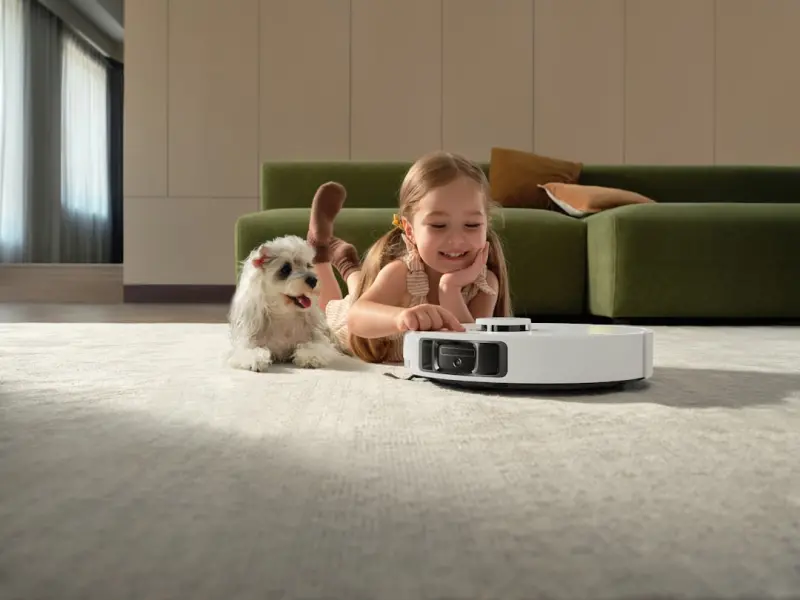
When I first adopted my rescue cat, Luna, I never imagined she’d become my unofficial tech guru. Between her midnight zoomies and her uncanny ability to sit on my laptop keyboard, Luna taught me that our pets are more than companions—they’re participants in the digital age. Today, the pet industry is undergoing a quiet revolution of its own, powered by smart devices, data‑driven insights, and a growing appetite for convenience. In this post, I’ll walk you through the most exciting trends reshaping pet care, share practical tips for integrating technology without sacrificing the soul of the human‑animal bond, and sprinkle in a few eco‑friendly and privacy‑savvy ideas that keep both your home and your furry friends happy.
From Leashes to Bluetooth: The Evolution of Pet Tech
Remember the first time you tried a traditional collar with a tiny tag? It was the pinnacle of “high‑tech” for a pet owner. Fast forward, and we’ve got GPS‑enabled harnesses, activity trackers that sync to your phone, and even smart feeders that dispense kibble on a schedule you set from a web dashboard. The biggest shift, however, isn’t just about gadgets—it’s about the data they collect.
Every step Luna takes, every bark from Max, and every mealtime can now be logged, analyzed, and turned into actionable insights. Think of it as a personal health record for your pet, but with the added benefit of real‑time alerts that can warn you about potential health issues before they become emergencies.
Why Data‑Driven Care Isn’t Just for Humans
In the SaaS world, we talk about “user analytics” and “behavioral dashboards” daily. The same principles apply to pets. By tracking activity levels, you can spot patterns that indicate stress, illness, or simply a need for more exercise. For instance, if your dog’s activity tracker shows a sudden dip in movement, it could be a sign of joint pain or an underlying condition.
But with great data comes great responsibility. Owners must be mindful of how they store and share this information. A privacy‑first approach—the same one we champion for businesses—should be the standard for pet data. Choose devices that encrypt data at rest and in transit, and avoid platforms that sell pet metrics to third parties.
Smart Feeding: More Than Just Convenience
Automatic feeders have been around for years, but the newest models do more than dispense food on a timer. They can weigh portions, adjust calories based on your pet’s activity, and even send you a photo of your cat’s bowl to confirm they actually ate. Some even integrate with voice assistants, letting you say, “Hey Alexa, give Bella a snack,” without lifting a finger.
While these features sound like a dream, they also help prevent overfeeding—a common cause of obesity in pets. By syncing the feeder with an activity tracker, you can create a closed loop where food intake is automatically balanced against calories burned.
Health Monitoring: Wearables That Do More Than Count Steps
Beyond basic fitness, newer wearables monitor heart rate, respiration, and temperature. A sudden rise in temperature could signal a fever; irregular heart rhythms might hint at cardiac issues. The data streams directly to an app, where you can set thresholds for alerts.
If you’re the type who loves a good dashboard, you’ll appreciate the ability to visualize trends over weeks or months. Some platforms even generate weekly reports that you can share with your veterinarian, turning your home into an extension of the clinic.
Eco‑Friendly Pet Care: Marrying Technology and Sustainability
It’s easy to assume that tech means more waste—think disposable batteries, plastic accessories, and electronic junk. However, many innovators are now designing devices with sustainability at the core. For example, solar‑powered smart collars use tiny photovoltaic cells to keep the battery topped up, reducing the need for frequent charging.
When it comes to cleaning up after your pets, consider zero‑waste cleaning rituals. Instead of buying a new bottle of pet‑safe disinfectant every few months, create a refill station using diluted vinegar and essential oils that are safe for animals. Pair this with reusable microfiber cloths that can be laundered and reused countless times.
Smart Toys: Keeping Minds Sharp While You’re Busy
Modern pet toys aren’t just balls that squeak. Interactive toys now incorporate AI to adapt to your pet’s play style. A laser pointer that learns where your cat likes to chase, or a ball that changes direction based on your dog’s speed, keeps the brain engaged and reduces boredom—especially for owners who work from home and can’t give constant attention.
These toys often come with companion apps where you can schedule play sessions, track the amount of time your pet spends interacting, and even earn “virtual treats” that unlock new game modes. It’s a fun way to gamify exercise and mental stimulation.
Virtual Vet Visits: The Telemedicine Boom for Pets
Telehealth exploded for humans, and now it’s catching on for pets. With high‑definition video platforms, you can show a veterinarian a close‑up of a rash or an ear infection without leaving your living room. Some services even integrate with your pet’s health data, allowing the vet to review activity trends, weight changes, and feeding logs before the call.
For those who travel often or live in remote areas, this can be a game‑changer. It also reduces the stress on pets that hate car rides or waiting rooms. Just make sure the platform you choose complies with veterinary regulations and offers secure data handling.
Balancing Tech with Touch: Maintaining the Human‑Animal Connection
All the gadgets in the world won’t replace the simple act of petting a cat or tossing a ball for a dog. In fact, research shows that physical interaction releases oxytocin in both humans and animals, strengthening the bond. Use technology as a supplement, not a substitute.
Schedule regular “offline” moments where you turn off notifications, put devices aside, and engage in tactile play. This practice ensures that your pet still feels loved and valued beyond the data points.
Choosing the Right Ecosystem: Integration Over Isolation
When you start building a pet‑tech ecosystem, look for devices that play well together. An open API allows your feeder, tracker, and smart toy to share data, creating a seamless experience. Many brands now support integrations with popular smart‑home platforms like Google Home or Apple HomeKit, letting you control multiple devices with a single voice command.
Before you invest, read reviews that focus on reliability and customer support. A device that frequently disconnects or loses data can be more frustrating than helpful.
Future Glimpses: What’s Next for Pet Tech?
Imagine a world where your pet’s health data is automatically uploaded to a blockchain‑based record, giving you and any veterinarian permanent, tamper‑proof access. Or consider augmented reality (AR) games where your cat chases holographic mice projected onto the floor, providing endless stimulation without clutter.
While these ideas sound like sci‑fi, the rapid pace of innovation suggests they’re not far off. As long as we keep the pet’s welfare front and center, the future looks bright—and a little bit smarter.
Getting Started: A Simple 5‑Step Plan
- Assess Your Needs: Identify what challenges you want to solve—whether it’s feeding consistency, activity tracking, or reducing anxiety.
- Start Small: Begin with one device, such as a basic activity tracker, and see how the data influences your routine.
- Prioritize Privacy: Choose products that emphasize secure data handling, echoing the privacy‑first mindset we champion in the tech world.
- Integrate Thoughtfully: Look for devices that can communicate with each other, reducing the number of apps you need to manage.
- Schedule Offline Time: Dedicate daily moments to interact with your pet without screens, reinforcing the bond that technology can’t replace.
By weaving smart solutions into your daily pet‑care routine, you’ll not only improve your animal’s health and happiness but also free up mental bandwidth for other projects—whether that’s launching a new SaaS product or simply enjoying a quiet evening with Luna curled on your lap.
So, the next time you hear a gentle purr or see a wagging tail, remember that behind that simple joy lies a world of possibilities powered by data, design, and a dash of compassion.

Jessica Gills is a freelance writer carving a niche for herself by empowering others through her words. With a focus on careers, self-development, and business, she helps readers navigate the complexities of the modern professional landscape.
Related Posts

Why Your Home Office Needs a Furry Co‑Pilot: Boosting Productivity and Well‑Being
A pet at your home office isn’t a distraction—it’s a productivity ally. Learn how to create a ... Read More
The Future of Den Access: Why Automatic Smart Pet Doors are Redefining Home Security
For pet owners, the "door dilemma" is a universal experience. It is the perpetual oscillation betwee... Read More

The Unseen Benefits of Treating Your Pet Like a Co‑Founder
A deep dive into how pets can become integral co‑founders, improving workplace culture, driving in... Read More
Top Posts

Beyond the Label: Decoding Ingredient Transparency in Modern Beauty
Ingredient transparency has shifted from a niche buzzword to a decisive purchase factor, reshaping product development, marketing, and supply chains. This post ...Read More

Which is Better? Positive or Negative Content
In today's fast-paced digital world, content creators have a plethora of options to choose from when crafting their next piece. The age-old question remains: wh...Read More

Beyond the Dashboard: Building a Scalable SaaS Toolkit Ecosystem
A practical guide to selecting, integrating, and governing the right mix of tools for SaaS companies, ensuring scalability, security, and continuous innovation....Read More

The Connection Between Sustainable Living and Mental Health
Explore the connection between sustainable living and mental health. Find out how eco-friendly practices can boost your mood, reduce stress, and improve overall...Read More
0 Comments
Post Comment
You will need to Login or Register to comment on this post!