
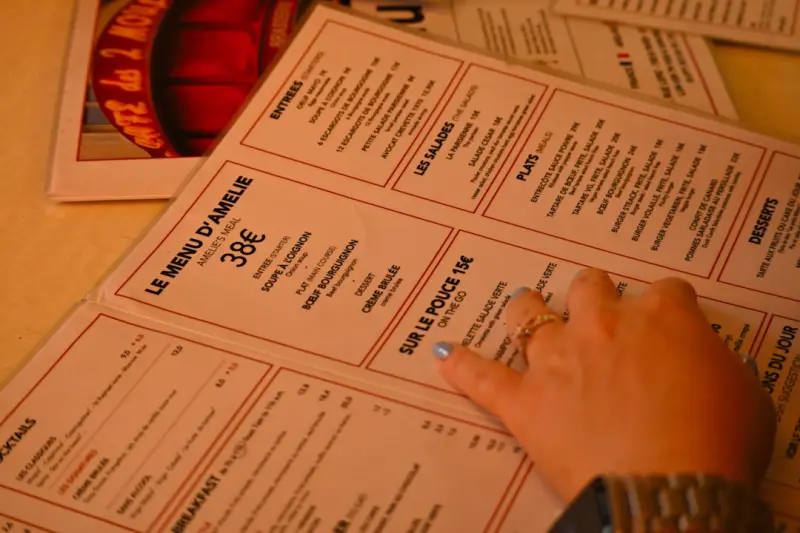
When I first walked into a downtown bistro that projected a three‑dimensional aroma map onto the table, I thought I’d stumbled into a sci‑fi set. The menu wasn’t just a list of dishes; it was an interactive tableau that let you swirl flavors in real time, see nutrition breakdowns, and even watch a short video of the farmer who grew the heirloom tomatoes on your plate. That moment was a watershed for me—a glimpse of how food and drink are about to get a high‑tech makeover that feels as natural as the first bite of a perfectly crisp apple.
Why Augmented Reality Is the New Tablecloth
Restaurants have always looked for ways to stand out: think themed décor, chef’s tables, or open‑kitchen concepts. Augmented reality (AR) is the next evolution, turning the very surface of the table into a canvas. Using a smartphone or AR glasses, diners can point at a dish and instantly see:
- Flavor profiles visualized as swirling colors that represent sweet, salty, umami, and more.
- Ingredient origins displayed as a mini‑map, letting you trace a coffee bean back to its high‑altitude farm.
- Allergen alerts that pop up with a gentle pulse, ensuring safety without breaking immersion.
Beyond novelty, AR addresses a real pain point: decision fatigue. In a world where every menu seems to promise the “best” experience, an AR overlay can filter choices based on personal health goals, dietary restrictions, or even mood. The technology learns from your selections, offering smarter suggestions the more you use it.
The AI Behind the Perfect Pairing
Imagine sitting down with a glass of natural cider and an AI‑driven sommelier recommending a cheese that not only complements the acidity but also matches the subtle fruit notes of your dessert. AI isn’t just for recommending movies; it’s rapidly becoming the sous‑chef in the kitchen. By analyzing massive datasets of flavor compounds, texture, and even cultural preferences, AI can suggest pairings that were previously the domain of seasoned chefs.
One striking example comes from a startup that fed its algorithm 10,000 years of culinary history, from ancient Roman garum to modern mole sauces. The AI discovered that a dash of smoked paprika pairs unexpectedly well with dark chocolate, a match that’s now popping up on upscale dessert menus. The result? A dining experience that feels both familiar and delightfully surprising.
For home cooks, AI can be embedded in smart appliances. Your fridge could scan a leftover carrot, cross‑reference it with your pantry, and propose a quick spiced stew that balances flavor, nutrition, and waste reduction. The technology turns everyday cooking into an experimental playground.
Smart Kitchens: From Passive to Proactive
While AR dazzles diners, the kitchen is quietly becoming a hub of intelligent devices. Smart stovetops now adjust heat based on real‑time feedback from sensors that detect moisture and temperature, preventing over‑cooking before it happens. Connected ovens can be pre‑heated via a voice command, and they’ll send a notification to your phone when the perfect caramelization point is reached.
One of the most exciting developments is the integration of enzyme‑powered eco‑cleaning systems directly into the sink. These systems break down food waste at the molecular level, turning scraps into a biodegradable cleaning solution that not only sanitizes but also reduces the environmental footprint of your kitchen. It’s a seamless blend of sustainability and convenience that feels inevitable as we move toward a circular food economy.
Wearables Meet Gastronomy
We’ve all seen fitness trackers count steps, but the next wave is wearable tech & digital therapeutics that monitor taste perception and metabolism in real time. A subtle sensor on your wrist can detect changes in blood glucose, prompting an AR prompt suggesting a snack that will stabilize energy without spiking sugar. Some devices even analyze your breath to gauge satiety levels, nudging you toward mindful eating.
For restaurants, this opens up personalized service at scale. A patron’s wearable could signal a preference for low‑sodium dishes, and the server’s tablet would automatically highlight menu items that meet that criteria, complete with AR visuals of the plating. It’s a synergy of data privacy and hospitality that respects the diner’s autonomy while enhancing the experience.
Creative Briefs for Culinary Innovation
Behind every breakthrough dish lies a concept document—a brief that defines flavor goals, target audience, and brand story. Traditionally, chefs draft these by hand, but now AI‑powered creative briefs are reshaping the ideation process. By inputting a theme—say, “tropical night market”—the AI suggests ingredient combos, plating styles, and even music playlists that amplify the ambiance.
This approach democratizes creativity. Small pop‑up cafés can compete with Michelin‑starred establishments by leveraging AI to generate compelling narratives and unique flavor arcs, all within a fraction of the time it used to take. The result is a more vibrant culinary landscape where innovation is not limited by resources but amplified by technology.
From Farm to Table—Digitally
Traceability has moved from QR codes on packaging to immersive AR experiences. When you scan the logo on a bottle of cold‑pressed juice, you might see a 3‑D model of the orchard, watch a short clip of the harvest, and learn about the soil health practices that nurtured the fruit. This transparency builds trust, especially among younger consumers who demand authenticity.
Beyond storytelling, digital traceability helps reduce waste. By providing real‑time inventory data, restaurants can adjust portion sizes and menu rotations, ensuring that ingredients are used at peak freshness. Suppliers, too, benefit from a feedback loop that informs planting decisions based on demand trends, creating a more resilient supply chain.
Flavor Trends Shaped by Data
What’s hot on the culinary horizon? Data tells us the answer. Recent analytics reveal a surge in interest for “umami‑forward” dishes, a rise in plant‑based proteins with earthy undertones, and a curiosity for fermented beverages beyond kombucha—think kefir cocktails and miso-infused bitters.
These trends are not fleeting; they reflect broader societal shifts toward health consciousness, sustainability, and global exploration. Restaurants that tap into these insights early can position themselves as trendsetters, while home cooks can experiment confidently, knowing they’re aligning with the pulse of the market.
Putting It All Together: A Sample AR‑Enhanced Dining Experience
Let’s walk through a hypothetical evening at a tech‑savvy bistro:
- Arrival: You’re greeted by a host who offers a QR‑coded table. Scanning it launches an AR overlay on your phone.
- Exploration: The menu floats before you, each dish accompanied by a rotating aroma sphere. Tapping a sphere reveals sourcing info, calorie count, and suggested wine pairings.
- Personalization: Your wearable syncs with the system, indicating a moderate sodium restriction. The AR menu automatically highlights low‑sodium options, with a gentle green glow.
- Ordering: You select a grilled octopus dish. The AR visual shows a short video of the octopus being sustainably harvested off the coast of Portugal.
- Dining: As the plate arrives, a subtle AR animation illustrates the flavor journey—from briny sea notes to a citrus glaze—enhancing anticipation.
- Feedback: After the meal, the system prompts you to rate each flavor component. This data feeds back into the AI, refining future recommendations for you and other diners.
This seamless blend of technology and gastronomy creates a memorable experience that feels both personal and futuristic.
Challenges and Ethical Considerations
While the tech is tantalizing, it’s not without hurdles. Data privacy is paramount; diners must have control over what information they share. Restaurants must also guard against over‑automation that strips away the human touch—a chef’s intuition cannot be fully replaced by algorithms.
Moreover, the digital divide could widen the gap between tech‑rich urban eateries and rural establishments. To mitigate this, industry groups are developing open‑source AR frameworks that lower the entry barrier, ensuring that innovation benefits the broader food ecosystem.
Looking Ahead: The Taste of Tomorrow
We stand at the cusp of a culinary renaissance where flavor, storytelling, and technology converge. From AR menus that turn tables into interactive galleries, to AI that crafts daring pairings, to smart kitchens that clean themselves with enzyme‑powered solutions, the future of food is immersive, intelligent, and sustainable.
For food lovers like myself, the excitement lies in the unknown—the next unexpected combination that will delight the palate, the next gadget that will make cooking feel like a lab experiment, and the next story that will connect us to the earth that feeds us. As we sip on a mist‑infused cocktail and watch the holographic garnish swirl, we’re reminded that the best meals are those that nourish both body and imagination.

Brad Hays is a freelance writer known for his versatile skill set and ability to craft compelling content across a wide range of industries.
Related Posts

Hiring catering staff for a well organized event
When you organize an event, reception, or private party, food and drinks often play an important rol... Read More

Fermenting Futures: Microbial Magic in Modern Cuisine
David Moore dives into the resurgence of fermentation, revealing its impact on taste, nutrition, and... Read More
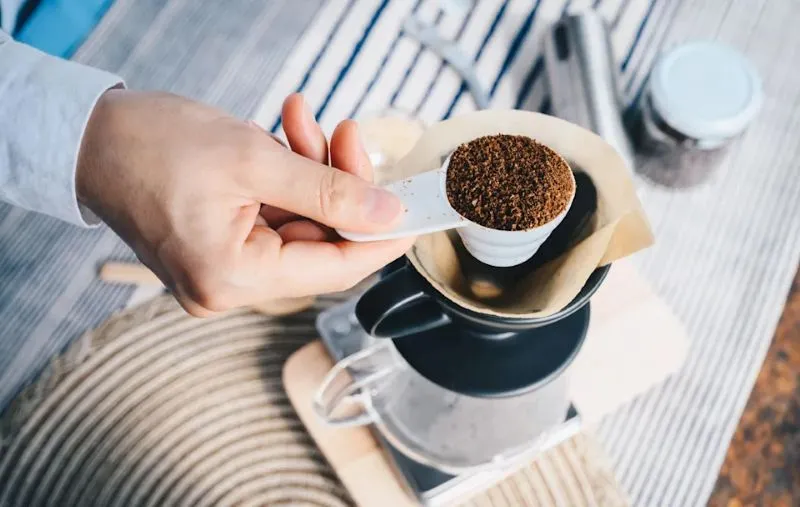
The Morning Coffee: Mastering the Golden Ratio for the Perfect Cup
For many, the morning ritual of coffee preparation is a blur of half-awake movements: a scoop of gro... Read More
Top Posts

Curating a Sound‑Infused Home: How Audio Shapes Modern Living
Explore the power of intentional audio design—from focus zones to bedtime rituals—and learn practical steps to turn your home into a sound‑rich sanctuary ...Read More

Breathing New Life into Remote Work: How Structured Breathwork Boosts Health and Innovation
A practical guide to integrating breathwork into remote work routines, highlighting physiological benefits, implementation steps, and real‑world results for h...Read More

Guide To Data-Driven Casino Marketing
In the glittering, high-stakes world of casino resorts, success has long been attributed to a blend of strategic location, captivating entertainment, and a dash...Read More

Why In-Game Economies Are Shaping Real-World Spending
A deep dive into how virtual economies drive real‑world spending, the psychology behind microtransactions, and tips for gamers to stay financially savvy....Read More
0 Comments
Post Comment
You will need to Login or Register to comment on this post!