
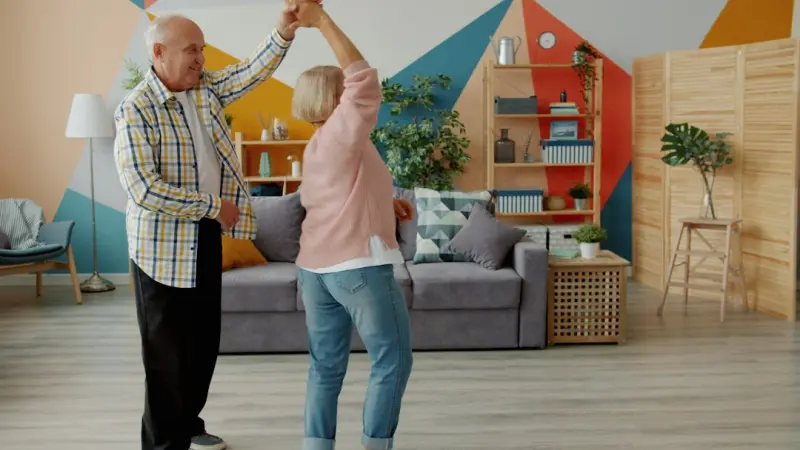
Why the Modern Senior Is Turning Tech Into a Personal Concierge
When I turned sixty‑five, my idea of “cutting‑edge” was a sturdy walking stick with a built‑in flashlight. Fast forward a few years, and my daily routine now includes a smartphone that feels more like a personal assistant than a device. The narrative that seniors are technophobic is fading faster than my old rotary phone. Today, many of us are leveraging digital tools not just to stay connected, but to reclaim autonomy, enrich our hobbies, and even generate a modest side income.
The Quiet Revolution: From “Just Getting By” to “Living Smart”
It starts with a simple question: What would make my day easier? For many seniors, the answer is a blend of health monitoring, effortless communication, and a touch of curiosity. Below are three pillars that are reshaping the senior experience:
- Health‑first wearables that track vitals, remind you to move, and even call emergency services when needed.
- Modular devices that grow with you, eliminating the fear of obsolescence.
- Community‑driven platforms that let you share stories, learn new skills, and even monetize a lifelong passion.
Health‑First Wearables: Your Body’s New Best Friend
Remember the first time you wore a wristwatch? It was a novelty, a statement of punctuality. Today’s health wearables are the modern equivalent, but instead of just telling time, they whisper insights about your heart, sleep patterns, and even stress levels. Brands are now adding features like fall detection and medication reminders, turning a simple band into a silent guardian.
What’s more, the data isn’t locked away in a corporate vault. Many platforms now let you export your metrics to a personal health dashboard, giving you—and your physician—a clearer picture of your well‑being. The result? Fewer surprise ER trips and a more proactive approach to aging.
Modular Laptops: A Tailor‑Made Tech Companion
If you’ve ever felt the sting of a laptop that can’t keep up with a video call, you’ll appreciate the rise of modular systems. Unlike traditional laptops that become relics after a couple of years, modular laptops let you swap out the battery, upgrade the processor, or add a better camera without buying a brand‑new machine.
For seniors, this flexibility translates into three big wins:
- Cost efficiency—you only replace what you need, not the whole device.
- Simplicity—most modules snap in with a single click, no tech support required.
- Future‑proofing—as new features like AI‑driven voice assistants become standard, you can add them without starting from scratch.
Curious how it works? Take a look at our deep dive on modular laptops for a step‑by‑step guide.
Smartphones: The Pocket‑Size Business Catalyst
My first smartphone felt like a foreign language. Today, it’s the hub of my social life, my health tracker, and my side‑hustle platform. The device I once used to call my grandchildren now powers a small online store where I sell hand‑knitted scarves.
Here’s why the modern senior is treating the phone as a mini‑enterprise:
- Easy‑to‑use marketplaces—apps streamline listings, payments, and shipping.
- Social proof tools—you can showcase reviews and testimonials with a few taps.
- Automation—schedule posts, set automatic replies, and let AI suggest pricing.
If you’re skeptical, read how tech‑savvy retirees have turned hobbies into sustainable revenue streams in our feature on subscription toy boxes. The principles apply just as well to crafts, consulting, or teaching online.
Community Platforms: From Loneliness to Learning Labs
Isolation used to be a silent epidemic among seniors, especially after retirement. The digital age has flipped that script. Platforms that once catered to “gamers” or “millennials” now host vibrant senior communities. Think of a virtual garden club where members share planting tips, or a coding circle where retirees learn Python for fun.
These spaces provide more than just conversation—they’re incubators for:
- Skill exchange—teach what you know, learn what you don’t.
- Mentorship opportunities—guide younger entrepreneurs, students, or fellow seniors.
- Micro‑entrepreneurship—launch workshops, webinars, or e‑books directly from the platform.
When you combine a health‑focused wearable, a modular laptop, and a community hub, you’re essentially building a personal concierge system that works 24/7.
Financial Literacy Meets Fintech: A New Chapter in Retirement Planning
Money worries don’t retire when you do. However, fintech tools now make it easier than ever to manage assets, track spending, and even invest in low‑risk portfolios tailored for seniors.
Key features to look for:
- Automatic budgeting that categorizes expenses and flags unusual activity.
- Robo‑advisors that suggest diversified investments based on your risk tolerance.
- Secure, multi‑factor authentication to protect your accounts without the headache of remembering dozens of passwords.
Pair these tools with the health insights from your wearable, and you get a holistic view of your “wellness budget”—how much you can comfortably spend on travel, hobbies, or health services without compromising long‑term security.
Learning Never Stops: Microlearning for the Curious Mind
Traditional classes can feel intimidating, especially when you’re returning after a long break. Microlearning—short, focused lessons—has emerged as a perfect fit for seniors who want to dip their toes into new subjects without a massive time commitment.
Platforms now offer:
- 5‑minute video snippets on everything from gardening to blockchain basics.
- Interactive quizzes that reinforce retention without the pressure of grades.
- Community discussion boards where you can ask questions and share insights.
Because the modules are bite‑sized, you can fit a lesson into a coffee break, a park stroll, or even while waiting for a doctor’s appointment.
Safety Nets: AI‑Powered Alerts and Emergency Response
One of the biggest fears for seniors (and their families) is the “what if” scenario—what if you fall, have a medical emergency, or simply need help reaching the grocery store?
AI‑driven assistants embedded in wearables and smartphones now provide proactive alerts. For example:
- Fall detection that instantly contacts emergency services and designated family members.
- Medication reminders that adapt based on your daily routine.
- Location‑based check‑ins that notify loved ones if you haven’t moved in a set period.
These features create a safety net that lets seniors enjoy independence without constant supervision.
Bridging Generations: Tech as a Conversation Starter
My grandchildren love to show me the latest meme, but I’ve turned the tables by teaching them how to set up a simple e‑commerce site for my scarves. The exchange of knowledge becomes a bonding experience, and the tech tools act as a neutral ground.
When seniors and younger generations collaborate, you get:
- Cross‑generational mentorship—seniors share life lessons; younger folks share tech tricks.
- Shared projects that blend tradition (hand‑crafted goods) with modern distribution channels.
- Stronger family ties built on mutual respect and collaboration.
Practical Steps to Get Started
If you’re ready to transform your golden years into a tech‑empowered chapter, follow this roadmap:
- Assess Your Needs—list the daily challenges you want to solve (e.g., health monitoring, staying connected, earning extra income).
- Choose a Wearable—look for one with heart‑rate monitoring, fall detection, and easy data export.
- Invest in a Modular Laptop—pick a model that allows easy upgrades; read the full guide here.
- Upgrade Your Smartphone—select a device with a large screen, voice assistant, and robust security features.
- Join a Community—search for senior‑focused groups on platforms like Facebook, Nextdoor, or niche hobby forums.
- Explore Fintech Apps—start with a budgeting app that syncs with your bank and offers retirement‑specific advice.
- Begin Microlearning—commit to one five‑minute lesson per day on a subject you’ve always wanted to explore.
Looking Ahead: The Future Is Already Here
The next decade will likely bring even more integration—AI‑driven voice assistants that anticipate your needs, augmented reality glasses that overlay health stats in real time, and blockchain‑secured medical records you can share with any doctor worldwide. While those developments are on the horizon, the foundation is already in place: wearables, modular devices, and vibrant online communities.
Embracing this tech isn’t about keeping up with the kids; it’s about reclaiming agency, staying mentally sharp, and turning retirement into a period of exploration rather than stagnation. If you can picture yourself strolling through a park, heart monitor beeping a gentle reminder to stay active, while a voice‑assistant orders your favorite tea and logs the data for tomorrow’s health review—welcome to the new senior experience.

David Moore is a freelance writer specializing in two dynamic and ever-evolving fields: gambling and the tech industry. With a keen eye for detail and a knack for unraveling complex topics, David delivers insightful and engaging content that keeps readers informed and entertained.
Related Posts

Silver Surfers: AI Tools Giving Seniors a New Lease on Freedom
Seniors are embracing AI assistants, personalized health apps, and privacy‑focused platforms, turn... Read More
Embracing Digital Storytelling: Seniors Finding Connection and Purpose
Discover practical ways seniors can harness digital storytelling, online communities, health wearabl... Read More

Cultivating Connection: How Seniors Thrive in the Digital Age
Explore how seniors can harness digital tools to build vibrant communities, stay fit with micro‑mo... Read More
Top Posts
Decentralized Identity: How the Next Internet Layer Empowers Enterprises
Decentralized identity gives enterprises a privacy‑first, user‑controlled way to verify credentials, reducing risk, compliance costs, and unlocking new cros...Read More
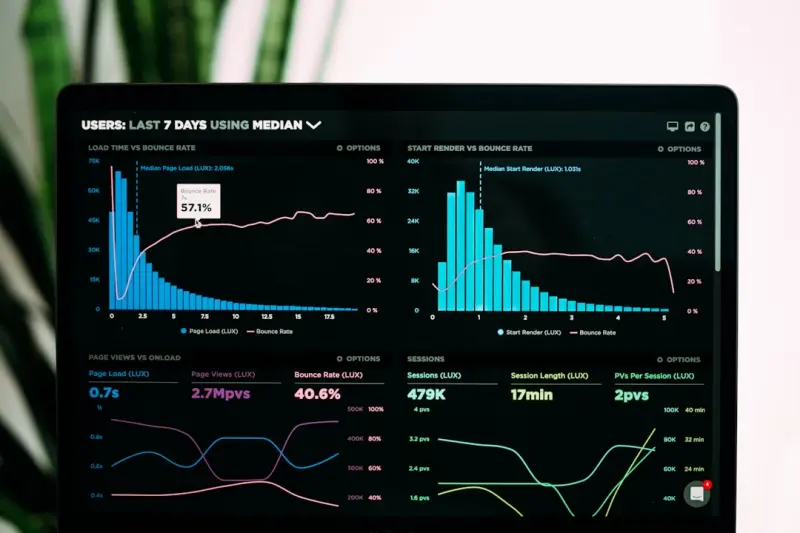
Turning Customer Success Data into Compelling Content Stories
Discover a step‑by‑step approach to turn SaaS success data into vivid stories, leveraging real customer journeys, multi‑channel formats, and internal advo...Read More

Green Edge Hosting: Sustainable Speed for Modern Sites
Green edge hosting combines renewable‑powered edge nodes, dynamic workload placement, and serverless execution to offer lightning‑fast performance without t...Read More
Content Marketing as a Service: Turning Content Into a Scalable Growth Engine
A fresh take on B2B content marketing explains how treating content as a continuous service—aligned with product events, modular architecture, and data‑driv...Read More
0 Comments
Post Comment
You will need to Login or Register to comment on this post!