
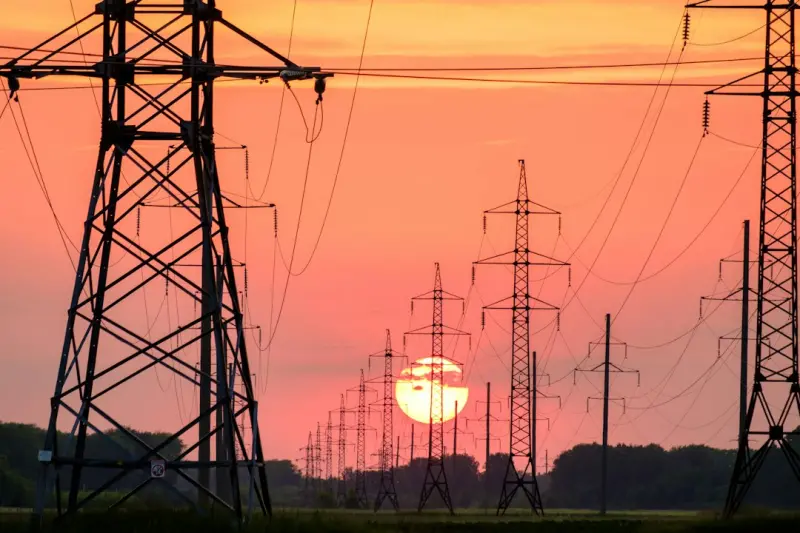
When I first walked onto the floor of a bustling data center, the hum of servers reminded me of a power plant’s turbine room—both places where invisible forces are coaxed into delivering tangible outcomes. In the world of B2B SaaS, that invisible force is now energy, and it’s being captured, analyzed, and monetized faster than ever before. The convergence of real‑time energy data, AI‑driven forecasting, and edge‑enabled microgrid control is redefining how enterprises think about cost, sustainability, and resilience.
The Rise of Real‑Time Energy Intelligence
For decades, energy management was a back‑office function: monthly meter reads, spreadsheet models, and yearly audits. Today, sensors embedded in everything from HVAC units to industrial CNC machines are streaming kilowatt‑hour data every second. This avalanche of granular information is the raw material for a new breed of SaaS platforms that turn energy into a strategic asset.
Key drivers behind this shift include:
- IoT proliferation: Low‑cost, low‑power devices can be retrofitted onto legacy equipment, creating a unified data layer without massive capital outlays.
- Regulatory pressure: Governments worldwide are tightening emissions reporting requirements, pushing companies to adopt transparent, auditable energy metrics.
- Cost volatility: As wholesale electricity markets become more dynamic, businesses need instant visibility to avoid surprise spikes.
From Data to Action: AI‑Powered Forecasting
Collecting data is only half the battle. The real value emerges when algorithms translate raw numbers into predictive insights. Modern SaaS solutions leverage machine learning models that factor in weather patterns, production schedules, and even market sentiment to forecast demand with sub‑hour accuracy.
Consider a manufacturing plant that traditionally ramps up power consumption during shift changes. By feeding real‑time sensor data into a forecasting engine, the plant can:
- Pre‑schedule battery discharge to shave peak demand.
- Negotiate better rates with utilities based on demonstrated load flexibility.
- Trigger automated demand‑response events without human intervention.
These capabilities transform energy from a line‑item expense into a lever for competitive advantage.
Microgrids Meet the Cloud: A New Architecture
Microgrids—localized networks of generators, storage, and loads—have long been championed for resilience. The missing piece until recently was a seamless bridge to cloud‑based SaaS platforms. Edge computing now fills that gap, processing data locally to meet latency requirements while syncing with the cloud for strategic analytics.
In practice, this architecture looks like:
- Edge nodes that aggregate sensor streams and execute real‑time control loops.
- A cloud layer that runs advanced optimization algorithms, benchmark comparisons, and regulatory reporting.
- An API gateway that lets ERP, CMMS, and sustainability platforms pull energy insights directly into existing workflows.
This hybrid model ensures that critical decisions—like shedding load during an outage—happen instantly, while longer‑term strategy evolves in the cloud.
Security and Compliance in Energy SaaS
Energy data is highly sensitive. A breach could reveal operational schedules, competitive production rates, or even expose vulnerabilities in critical infrastructure. SaaS vendors must therefore embed robust security controls from the ground up.
Beyond traditional encryption and access management, emerging best practices include:
- Zero‑trust networking for device‑to‑cloud communications.
- Immutable audit logs that satisfy both internal governance and external regulator demands.
- Integration with security‑centric hosting solutions that offer isolated environments for each tenant, reducing the blast radius of any incident.
These safeguards not only protect data but also build trust with customers who are increasingly scrutinizing their own ESG (Environmental, Social, Governance) disclosures.
Accelerating Development with Flexible Platforms
Time‑to‑market is a decisive factor in the energy SaaS space. Companies that can spin up new data pipelines, build custom dashboards, or integrate third‑party services in weeks rather than months gain a clear edge. That speed often comes from leveraging flexible development platforms that abstract away infrastructure concerns and let engineers focus on domain logic.
Features that matter most include:
- Drag‑and‑drop workflow builders for rapid orchestration of data ingestion and transformation.
- Pre‑built connectors for common energy protocols such as Modbus, BACnet, and OCPP.
- Scalable serverless functions that handle bursty data spikes without manual scaling.
By reducing the friction of building complex integrations, these platforms enable SaaS providers to respond to emerging market demands—like new carbon‑pricing schemes—almost in real time.
Driving Business Value: Use Cases That Matter
Below are three compelling scenarios where real‑time energy SaaS delivers measurable ROI:
1. Facility Managers Reduce Operating Costs by 15%
By visualizing real‑time consumption across campuses, managers can pinpoint under‑utilized equipment, schedule preventive maintenance before failures, and automate load shifting during peak price periods.
2. Renewable Energy Traders Optimize Dispatch
Wind and solar farms feed live generation data into a SaaS platform that aligns output with market prices, storage availability, and forecasted demand, maximizing revenue while maintaining grid stability.
3. Corporate Sustainability Offices Meet ESG Targets
Automated, auditable reports pull directly from sensor data, eliminating manual data collection errors and freeing staff to focus on strategy rather than paperwork.
Challenges and How to Overcome Them
While the opportunities are vast, enterprises must navigate several hurdles:
- Data Silos: Legacy systems often store energy data in proprietary formats. A robust data ingestion layer that supports batch and streaming APIs is essential.
- Change Management: Shifting from periodic reporting to continuous insight requires cultural buy‑in. Pilot programs that demonstrate quick wins can accelerate adoption.
- Scalability: As the number of sensors grows, the underlying architecture must scale horizontally without degradation. Leveraging cloud native services and edge processing mitigates this risk.
Addressing these challenges early ensures that the energy SaaS initiative delivers sustainable, long‑term benefits.
Looking Ahead: The Energy SaaS Landscape in 2027 and Beyond
While I’m not a fortune‑teller, the trends are unmistakable. Expect to see:
- Hyper‑localized carbon markets where microgrids trade emissions credits in real time.
- AI‑driven contract negotiation that automatically adjusts power purchase agreements based on forecasted demand and price volatility.
- Cross‑industry data marketplaces where energy data is packaged and sold to insurers, logistics firms, and even real‑estate developers.
For SaaS vendors, the imperative is clear: build platforms that are open, secure, and capable of turning the torrent of energy data into actionable intelligence. Those that succeed will not only unlock new revenue streams but also play a pivotal role in the global transition to a low‑carbon economy.
Energy is no longer a background utility; it’s a data‑rich frontier ripe for innovation. By embracing real‑time analytics, AI forecasting, and edge‑enabled microgrid control, B2B SaaS companies can power the next wave of operational excellence and sustainability.

Armed with a degree in English Literature, Jill’s journey into the digital space wasn't just a career move; it was a natural extension of her lifelong love affair with storytelling. While some writers view search engine optimization (SEO) as a rigid constraint, Jill sees it as a creative puzzle. She understands the delicate art of balancing the algorithmic demands of search engines with the human desire for resonance, emotion, and value. To Jill, keywords aren't just targets to hit; they are the breadcrumbs that lead eager readers straight to the answers they’ve been searching for.
Related Posts

Building Personal Energy Resilience: Microgrids, Batteries, and Smart Strategies
Explore practical steps to create a resilient home microgrid, from solar kits and battery storage to... Read More

The Energy Revolution: Jim Pearse’s Take on Power, Policy, and the Future
Jim Pearse dives into the energy shift of 2024, covering decentralized power, AI-driven grids, batte... Read More
Powering the Future: An In-Depth Look at Renewable Energy
The world is facing a critical juncture. Our reliance on fossil fuels has led to significant environ... Read More
Top Posts

Smart Sensors, Modular Pods, and Circular Design: The New Blueprint for Industrial Products
A deep dive into three transformative trends—edge‑enabled smart sensors, modular automation platforms, and circular‑economy‑first materials—that are r...Read More

Decoding the AI Revolution: A Human-Centric Roadmap for the Future
AI is reshaping our world. Robert Mathews delves into its current landscape, transformative power, and the ethical challenges it presents. Learn how individuals...Read More

Embracing an Eco-Friendly Life: My Journey Towards a Sustainable Future
Melanie Wilson shares her personal journey into eco-friendly living, offering practical tips and insights for a sustainable future. Learn how small changes can ...Read More

Eco‑Play Revolution: The Future of Sustainable Toys
Sustainable toys are transforming the playroom, merging eco‑friendly materials, durable design, and educational value to inspire mindful consumption and a gre...Read More
0 Comments
Post Comment
You will need to Login or Register to comment on this post!