
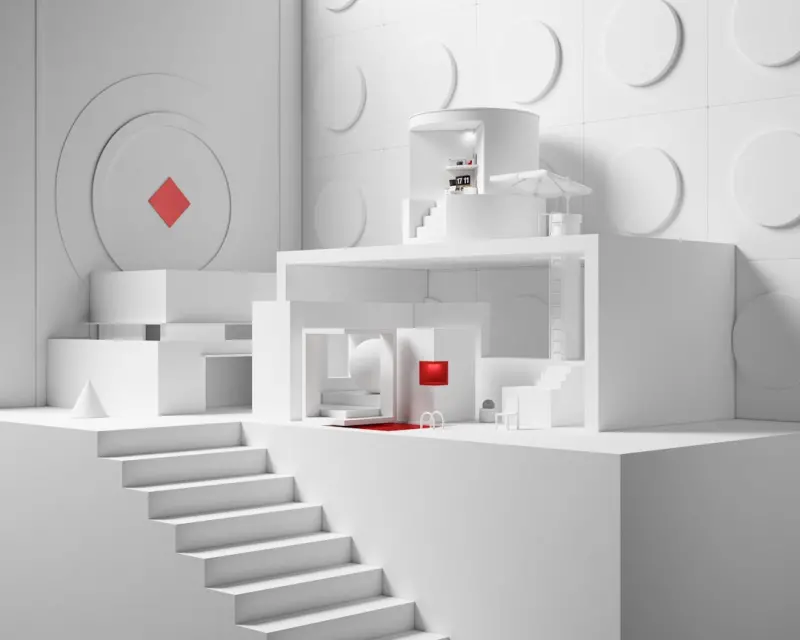
Why Modular Furniture Is the Secret Sauce for Modern Interiors
When I first started redesigning my own loft, I realized that the biggest hurdle wasn’t the color palette or the lighting—it was the fact that my life was constantly changing. One month I was a full‑time remote professional, the next I was hosting weekly dinner parties, and later I found myself needing a dedicated yoga space. Traditional static furniture forced me to compromise, to live with a sofa that was too big for my dining area or a desk that ate up precious floor space. That frustration sparked a deeper curiosity: what if my furniture could adapt as fluidly as my schedule?
Enter modular furniture systems. Unlike the one‑piece, fixed‑function pieces of the past, modular pieces are built from interchangeable components that can be re‑configured, expanded, or collapsed on demand. Think of them as the LEGO bricks of interior design—only they’re made from high‑grade wood, sustainable fabrics, and smart hardware that can even integrate with your home’s lighting and climate controls.
The Psychology Behind Flexible Spaces
Human beings are wired for variety. A study from the University of Michigan showed that environments that offer subtle changes in layout and scenery boost creativity by up to 23 %. When a room feels static, our brains interpret it as a cue to settle into a routine, which can be great for focus but limiting for inspiration. Modular furniture combats this by giving us the ability to reset the visual and functional context whenever we need a mental shift.
In practice, this means you can transition from a focused work zone to a collaborative brainstorming area with a few clicks, or transform a living room into a guest suite without pulling out a spare mattress from storage. The flexibility also reduces the need for multiple, single‑purpose pieces, which translates directly into lower environmental impact—a win for both the planet and your wallet.
Core Principles for Designing with Modularity
- Scalability: Choose a system that can grow with you. Start with a core set—perhaps a base platform and a few interchangeable tops—and add extensions as your needs evolve.
- Interoperability: Look for pieces that share common connection standards (e.g., universal brackets, magnetic couplings). This ensures that a desk module can lock onto a shelving unit just as easily as a coffee table.
- Material Consistency: While modularity encourages variety, a cohesive material palette keeps the overall aesthetic unified. Opt for sustainably sourced hardwoods, recycled metal frames, or bio‑based polymers that age gracefully.
- Technology Integration: Modern modular systems can embed wireless charging pads, USB‑C hubs, and even sensor‑driven lighting. When paired with a Power‑Smart Workspaces approach, the furniture becomes an active participant in your daily workflow.
- Ease of Reconfiguration: The best systems require no tools—just intuitive click‑or‑slide mechanisms. This reduces friction and encourages spontaneous re‑arrangement.
From Blueprint to Reality: A Step‑by‑Step Playbook
Below is a practical guide that walks you through the process of turning a conventional room into a modular masterpiece.
1. Audit Your Lifestyle Rhythms
Map out a week in your life. Identify recurring activities that demand dedicated spaces: work, meals, exercise, entertainment, and storage. Note any pain points—like a cramped kitchen island or a cluttered hallway.
2. Define Core Zones
Based on your audit, sketch a floor plan that isolates core zones. In a typical open‑plan loft, you might designate a work corner, a social hub, and a quiet retreat. The goal is to create flexible “containers” where modular units can be swapped in and out.
3. Select a Modular System
Research brands that prioritize interoperability. Look for a modular ecosystem that offers a range of modules—desks, storage cubes, seating, and accessories—that all share the same connection logic. Many emerging startups now provide digital configurators that let you visualize every permutation before you buy.
4. Prioritize Multi‑Functionality
Choose modules that serve dual purposes. For example, a low coffee table with built‑in drawers can double as a sideboard during dinner parties. A wall‑mounted shelving unit with hidden drop‑down work surfaces can transform a hallway into a pop‑up office.
5. Integrate Smart Features
If you love the idea of a space that reacts to you, look for modules with built‑in sensors. Some systems can detect occupancy and automatically adjust lighting, temperature, or even acoustic panels to match the activity in the zone. This synergy aligns perfectly with the Seasonal Home Maintenance Playbook mindset, where proactive adjustments keep the home running smoothly year‑round.
6. Test and Iterate
Once you’ve installed the first set of modules, live in the space for a few days. Take note of what feels clunky and what flows naturally. The beauty of modular furniture is that you can experiment without the fear of permanent mistakes. Swap a desk height, re‑orient a sofa, or replace a storage cube with a plant stand—then observe the impact on your daily routine.
7. Scale Over Time
As your needs change—perhaps a new hobby, a growing family, or a shift to full‑time remote work—add new modules or re‑configure existing ones. The system’s scalability means you’ll never outgrow your furniture; you simply evolve it.
Case Study: A Compact City Apartment Turned Dynamic Hub
Meet Maya, a freelance graphic designer living in a 650‑sq‑ft apartment. Her challenges were classic: a tiny living room that also needed to serve as a client‑meeting space, a bedroom that doubled as a studio, and limited storage.
Using a modular system, Maya installed a base platform along one wall. This platform housed a sliding desk module that could be tucked away when not in use, a stackable shelving unit for her art supplies, and a fold‑out daybed that turned the living area into a guest room. By integrating a smart lighting strip into the platform, she could program different lighting scenes—bright white for design work, warm amber for client presentations, and soft blue for relaxation.
Three months later, Maya reported a 40 % increase in usable floor space and a noticeable boost in her creative output, attributing it to the ease of switching between “work mode” and “livelihood mode.” Her experience illustrates how modular furniture can be the catalyst for a more fluid, productive lifestyle.
Design Aesthetics: Keeping It Chic While Staying Flexible
Functionality doesn’t have to sacrifice style. Here are some design tricks to maintain a cohesive, upscale look:
- Monochrome Palettes: Stick to a limited color range for the core modules. Introduce color through accessories like cushions, rugs, or artwork, which can be swapped seasonally.
- Textural Layers: Combine matte wood with brushed metal or woven rattan to add depth without visual clutter.
- Hidden Mechanisms: Choose systems where joints and fasteners are concealed, preserving clean lines.
- Statement Pieces: Use a bold, singular piece—like a sculptural modular bookshelf—to anchor the space, allowing the surrounding modules to remain understated.
Future Trends: What’s Next for Modular Interiors?
The modular movement is still in its infancy, and several exciting developments are on the horizon:
AI‑Powered Layout Optimization
Imagine an app that learns your daily patterns and suggests optimal furniture configurations each morning. Early prototypes already use computer vision to map room dimensions and propose layout changes based on calendar events.
Reconfigurable Materials
Researchers are experimenting with shape‑memory polymers that can change rigidity on demand. In practice, a modular wall panel could become a solid partition for privacy and then soften to become a decorative screen.
Community‑Shared Modular Libraries
Co‑living spaces are exploring “furniture libraries” where residents can borrow modules for short‑term projects—like a pop‑up gallery or a home office sprint—before returning them to a shared pool.
Final Thoughts: Embrace the Fluidity
In a world where the only constant is change, our interiors should be as adaptable as our lives. Modular furniture offers a pragmatic, stylish, and sustainable path to achieving that flexibility. By embracing scalability, interoperability, and smart integration, you can design a space that grows with you, supports your varied activities, and remains aesthetically pleasing.
Whether you’re a busy professional juggling remote work, a creative entrepreneur needing versatile studios, or simply someone who loves the freedom to re‑imagine your living environment, the modular approach empowers you to take control of your space—one click, slide, or snap at a time.

Tyler Johnson is a seasoned freelance writer with a keen eye for detail and a passion for crafting compelling narratives. His years of experience have honed his ability to adapt his style to suit diverse client needs and project requirements.
Related Posts

The Hidden Power of Sensory Design in Modern Spaces
Discover the emerging field of sensory design, where lighting, sound, scent, and tactile materials w... Read More
Soundscapes and Spatial Flow: Crafting Interior Environments That Boost Focus
A deep dive into acoustic design reveals how sound, material, and spatial zoning transform interiors... Read More
Mindful Living, Beautiful Spaces: Designing Your Home for Well-being and Sustainability
Transform your home into a sanctuary with mindful and sustainable design principles. Learn how eco-f... Read More
Top Posts

Gemini’s Multimodal Engine: A New Playbook for SaaS Collaboration
Gemini’s ability to understand text, images, and code in a single conversation turns it into a collaborative partner for SaaS teams, speeding up feature deliv...Read More

The Rise of Clean Beauty: How Slow Living Fuels Radiant Skin
Explore how slow living principles transform clean beauty routines, emphasizing transparency, mindful application, and tech‑infused skincare for lasting radia...Read More

Human‑First On‑Page SEO: Storytelling, Structure, and Search Success
Learn a fresh, human‑first framework for on‑page SEO that combines narrative architecture, semantic HTML, visual hierarchy, and strategic linking to improve...Read More

Narrative Check‑Ins: Boosting Mental Health One Story at a Time
Learn how integrating brief storytelling moments into daily meetings can enhance psychological safety, build stronger bonds, and improve mental wellbeing across...Read More
0 Comments
Post Comment
You will need to Login or Register to comment on this post!