

When I first sat down with a fresh ChatGPT window, I wasn’t thinking about the next product roadmap or the latest AI hype cycle. I was simply trying to draft an email to a client who was frustrated with a recurring support ticket. What unfolded over the next half‑hour was more than a convenient rewrite—it was a glimpse into a new kind of conversational intelligence that could reshape how our customer success teams operate.
From Reactive Replies to Proactive Conversations
Traditional support tools have always been reactive. A ticket lands, an agent picks it up, and the dialogue proceeds step‑by‑step. ChatGPT flips this script by surfacing insights before the customer even articulates the problem. Imagine a dashboard that, based on a client’s usage patterns, suggests a tailored set of resources or even drafts a personalized outreach email—complete with tone calibrated to the client’s recent sentiment.
This shift is subtle but powerful. It’s not about replacing human agents; it’s about equipping them with a “conversation co‑pilot” that can anticipate needs, suggest next steps, and keep the dialogue flowing naturally. The result? Faster resolution times, higher satisfaction scores, and a team that feels less like a fire‑fighting brigade and more like a strategic partner.
Embedding Conversational Context Across Departments
One of the biggest blind spots in many SaaS organizations is siloed knowledge. Sales may know a client’s high‑level goals, support knows the friction points, product knows the roadmap—but the data lives in separate systems. ChatGPT can act as a unifying layer, ingesting data from CRM, ticketing, and product analytics, then presenting a concise, context‑rich brief to any stakeholder.
For example, when a product manager is brainstorming a new feature, they can ask ChatGPT, “What are the top three pain points our enterprise customers have reported in the last quarter?” Within seconds, the model surfaces a prioritized list, complete with excerpts from tickets, usage statistics, and even quotes from recent NPS feedback. This eliminates the tedious back‑and‑forth that usually consumes weeks of research.
Designing Prompt‑Driven Workflows
To make ChatGPT truly useful, teams need to move beyond ad‑hoc prompts and design repeatable workflows. Think of a “prompt library” that lives alongside your SOPs. Each prompt is a tiny piece of code—well, a well‑crafted instruction—that tells the model exactly what you need.
- Onboarding Check‑in: “Generate a personalized 5‑minute video script for new customers in the fintech sector, highlighting our latest compliance dashboard.”
- Quarterly Business Review Prep: “Summarize the top three usage trends for the Acme Corp account, linking each trend to a potential upsell opportunity.”
- Technical Escalation Draft: “Create a concise technical brief for our engineering team describing the error logs from the last 48 hours for the Beta environment.”
When these prompts are stored in a shared repository, any team member can pull them up, adjust variables, and get consistent, high‑quality output. It’s a simple way to democratize AI expertise without requiring every employee to become a prompt‑engineering wizard.
Balancing Accuracy and Empathy
One concern that constantly surfaces in our conversations is the risk of “AI‑generated tone‑death.” If every response feels machine‑crafted, you lose the human touch that differentiates a premium SaaS experience. The trick is to use ChatGPT as a drafting partner rather than a final author.
Encourage agents to review, edit, and add personal anecdotes. A quick “Add a friendly note about the upcoming product webinar” can transform a sterile answer into a warm invitation. Over time, you’ll develop a style guide that blends the model’s clarity with your brand’s personality.
Measuring the Impact: Metrics That Matter
Just as we track churn, LTV, and CAC, we should track AI‑related KPIs to gauge whether ChatGPT is delivering value:
- First‑Contact Resolution (FCR) Boost: Compare FCR rates before and after AI‑assisted replies.
- Agent Efficiency Gain: Measure average handling time (AHT) reductions for tickets where the model provided a draft.
- Sentiment Lift: Use sentiment analysis on post‑interaction surveys to see if customers feel more understood.
- Prompt Adoption Rate: Track how often the prompt library is accessed and by which teams.
These numbers not only justify the investment but also surface opportunities for further refinement. If a particular prompt leads to lower sentiment scores, it’s a sign to revisit the wording or add more contextual data.
Ethical Guardrails and Governance
With great conversational power comes the responsibility to guard against misinformation, bias, and data leakage. Our approach has been two‑pronged:
- Human‑in‑the‑Loop (HITL): Every AI‑generated customer‑facing message must be reviewed by a human before sending. This ensures factual accuracy and aligns with brand voice.
- Data Sanitization: We scrub any personally identifiable information (PII) from the model’s training data and enforce strict access controls on the prompt library.
We also instituted a quarterly psychological safety playbook review, where teams discuss any AI‑related anxieties and refine policies together. The result is a culture where AI is seen as an enabler rather than a threat.
Scaling the Conversation: From Team to Enterprise
Early adopters in our organization started with a single support channel. Once we proved the model could reliably improve response quality, we expanded its reach:
- Sales Enablement: ChatGPT drafts personalized outreach sequences based on account history.
- Product Marketing: Generates feature comparison tables and blog snippets on the fly.
- Finance & Ops: Summarizes quarterly spend reports with narrative insights for leadership decks.
This cross‑functional rollout was possible because the prompt library was built with modularity in mind. Each prompt is agnostic to department, relying only on the data sources that department already trusts. The model becomes a shared conversational fabric, stitching together disparate parts of the organization.
Future‑Proofing with Sustainable AI Practices
As we scale AI usage, we also need to think about its environmental footprint. Large language models consume considerable compute, and that energy usage translates into carbon emissions. To align with our broader sustainability goals, we’ve partnered with our cloud provider to offset the compute used for inference and have begun experimenting with sustainable SaaS engineering practices, such as model quantization and edge‑deployment where feasible.
These steps may seem technical, but they reinforce a simple principle: responsible AI is a business imperative, not a nice‑to‑have. When customers see that you’re mindful of both their data and the planet, it deepens trust and differentiates your brand.
Closing Thoughts: The Quiet Revolution Is Already Here
If you’re still treating ChatGPT as a novelty chatbot, you’re missing out on a strategic lever that can elevate every customer‑facing function. The true power lies not in the model itself, but in how you embed it into everyday workflows, govern its output, and measure its impact.
In my own day‑to‑day, I now start every client call by asking ChatGPT for a quick “conversation heat map” based on recent interactions. It’s become a habit, a mental shortcut that surfaces the right context at the right time. The technology is still evolving, but the habit of asking the right questions—both of the model and of your own teams—will remain a competitive advantage long after the hype fades.
So, whether you’re a support lead, a product manager, or a C‑suite executive, consider this: how can conversational intelligence become the quiet engine that powers your next wave of growth?

Jessica Gills is a freelance writer carving a niche for herself by empowering others through her words. With a focus on careers, self-development, and business, she helps readers navigate the complexities of the modern professional landscape.
Related Posts
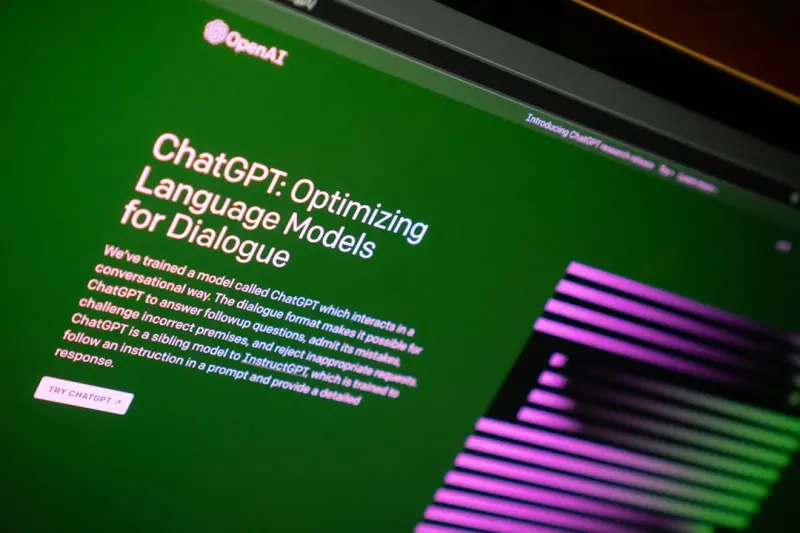
Turning Conversations into Contracts: How ChatGPT Can Power B2B SaaS Sales Cycles
ChatGPT isn’t just a support bot; when woven into the sales funnel, it becomes a strategic partner... Read More
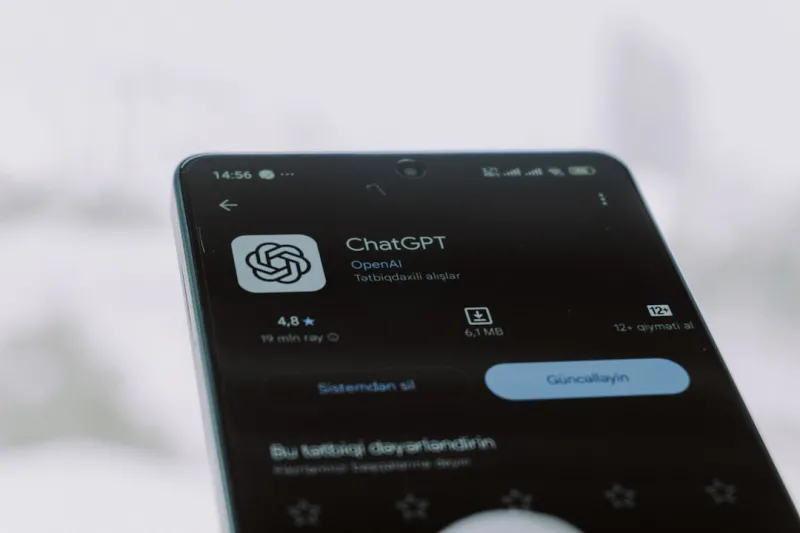
ChatGPT Unleashed: My Journey from Curiosity to Everyday Co‑Writer
Shawn DesRochers shares his hands‑on experience with ChatGPT, offering practical tips, ethical con... Read More
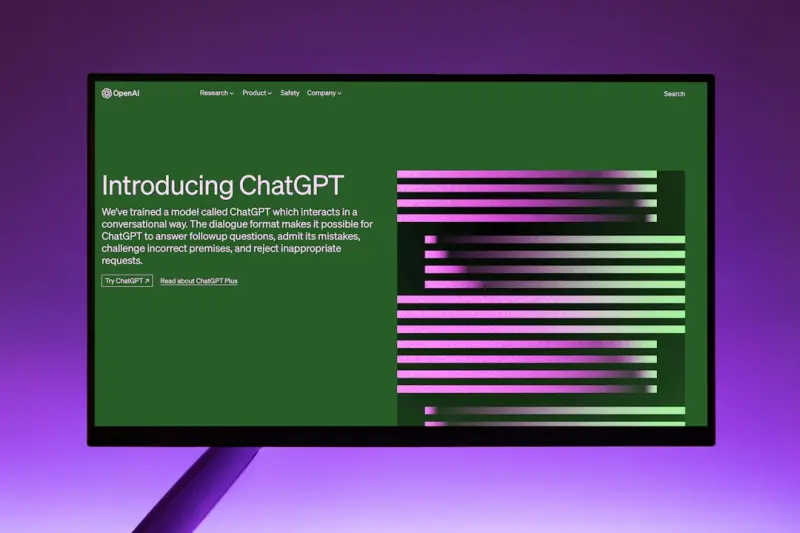
ChatGPT as a Personal Decision‑Making Coach: Turning Conversation Into Action
Learn to transform ChatGPT from a novelty into a trusted decision‑making coach with practical fram... Read More
Top Posts

Silent Power: How Laptop Design Is Shaping the Modern Workspace
A deep dive into the often‑overlooked aspects of laptop design—heat management, quiet keyboards, ergonomic accessories, battery intelligence, and sustainabl...Read More

Why Tangible Toys Still Matter in a Screen‑Obsessed World
A deep dive into why hands‑on toys remain essential for mental health, productivity, and cultural connection, offering actionable tips for integrating tactile...Read More

How to Get into a Weight Loss Routine
Losing weight is a journey, and like any journey, it requires a well-planned route to reach your desired destination. With so much information available online,...Read More

Beyond the Mirror: How AR and AI are Redefining Beauty Rituals
A deep dive into how AR try‑ons and AI skin coaches are revolutionizing the beauty industry, reducing waste, and delivering hyper‑personalized experiences t...Read More
0 Comments
Post Comment
You will need to Login or Register to comment on this post!