
The Quiet Revolution in Our Pockets
When I first unboxed a new smartphone, I was dazzled by the glossy finish, the ultra‑high‑resolution screen, and the promise of endless apps. Yet, after weeks of scrolling, swiping, and replying, I realized the device was doing something else to me: quietly reshaping how I think, feel, and even breathe. This isn’t the usual hype‑driven narrative about camera megapixels or foldable hinges. It’s a deeper look at how today’s phones are becoming mindful companions—tools that can help us reclaim attention, nurture wellbeing, and still deliver the performance we demand.
From Distraction Machine to Intentional Ally
Most of us have felt the pull of the notification bell like a moth to a flame. The buzz, the badge count, the endless stream of updates—each one a tiny reminder that we’re expected to be “always on.” I used to fight this instinct, muting alerts, setting Do‑Not‑Disturb windows, and even hiding the status bar. Over time, however, I discovered that the solution isn’t about turning the phone off; it’s about re‑programming the relationship.
Manufacturers are finally listening. The latest flagships ship with built‑in digital‑wellness dashboards, granular controls for app usage, and AI‑powered focus modes that learn when you need a quiet hour versus when you’re primed for a deep‑work sprint. These features aren’t just nice‑to‑have; they’re a response to the collective fatigue we’ve all felt after countless Zoom marathons and endless news cycles.
AI That Anticipates, Not Intrudes
One of the most exciting developments is the integration of edge AI innovations directly onto the device. Rather than sending every piece of data to the cloud for analysis, the phone processes information locally, in real time. This shift does three things for the everyday user:
- Speed. Actions like voice transcription, photo enhancements, and predictive text happen instantly, without a laggy round‑trip to distant servers.
- Privacy. Sensitive data—your health metrics, location history, personal messages—stays on the device, reducing exposure to third‑party breaches.
- Contextual Awareness. The phone can sense when you’re in a meeting, driving, or winding down for the night, and automatically adjust notifications, screen brightness, and even the ringtone volume.
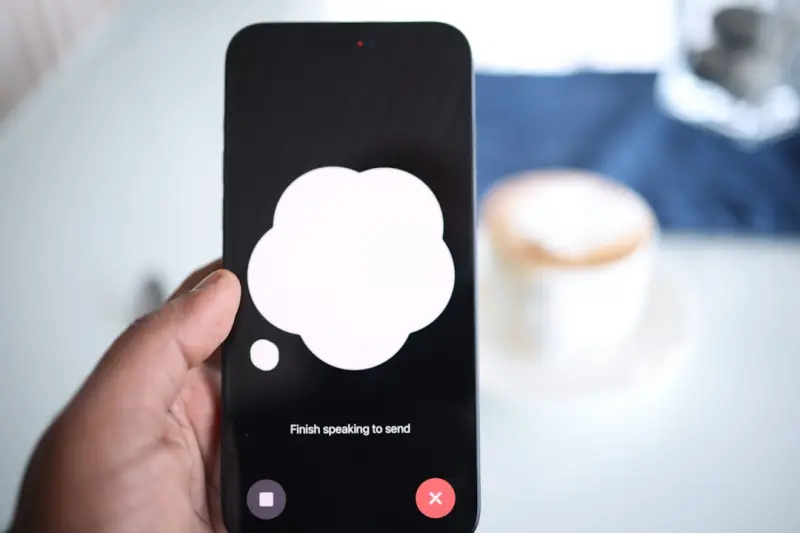
Imagine a scenario where your phone detects you’re sitting at a café, opens a “focus” mode that silences non‑essential alerts, and subtly dims the screen to a warm amber hue. When you pick up the device again, it reminds you of the task you were working on, rather than bombarding you with the latest meme. That’s the power of edge AI—smart, but unobtrusive.
Design for the Human Hand
Beyond software, hardware ergonomics are getting a makeover. The days of glass‑only slabs are fading. Today’s designers are considering the tactile experience: rounded edges that fit naturally in the palm, weight distribution that prevents wrist fatigue, and even adaptive haptic feedback that mimics real‑world textures. Some manufacturers are experimenting with “smart” materials that change temperature based on usage, providing a subtle cue that you’ve been holding the device for too long.
These seemingly small details matter because they shift the phone from a cold, alien gadget to an extension of our own body. When the device feels comfortable, we’re less likely to adopt frantic, jerky scrolling habits that contribute to eye strain and thumb fatigue.
Battery Life as a Trust Indicator
Battery anxiety is a silent stressor that most users never talk about. When your phone can’t keep up with your day, you’re forced into a perpetual “plug‑in” mode that limits spontaneity. Recent breakthroughs in graphene‑based batteries and ultra‑efficient SoCs (system‑on‑chips) are extending real‑world usage to well beyond 24 hours—even with heavy AI workloads running in the background.
Longer battery life isn’t just about convenience; it’s about trust. If a device can reliably stay powered through a full workday, a weekend hike, and an evening of reading, it becomes a trustworthy partner rather than a liability.
Eco‑Conscious Choices in the Pocket
Smartphone production has a massive environmental footprint—mined minerals, energy‑intensive factories, and a short product lifecycle that fuels e‑waste. As consumers become more climate‑aware, brands are responding with greener materials, modular designs, and robust trade‑in programs.
One initiative that caught my eye is the push toward eco‑friendly tech habits. By choosing a phone built from recycled aluminum, supporting manufacturers that offset carbon emissions, and extending the device’s lifespan through software updates, we collectively turn a daily habit into a sustainability win. It’s a small shift, but when millions of users make the same choice, the impact multiplies.
Connectivity That Doesn’t Compete
The latest 5G rollout promised blistering speeds, but speed alone isn’t the end goal. What matters is how connectivity integrates with the rest of our digital ecosystem without overwhelming us. Modern smartphones now feature “network intelligence” that prioritizes critical traffic—like video calls or work emails—while throttling background downloads during peak hours.
For remote teams, this means fewer dropped calls and smoother collaboration. For families, it translates to smoother streaming without sacrificing the ability to send a quick text. The network becomes a silent facilitator rather than a noisy competitor for our attention.
Health Monitoring Beyond the Basics
Health sensors have graduated from simple step counters to sophisticated monitors that track heart rate variability, blood oxygen, and even stress levels through skin conductance. Some devices now offer guided breathing exercises that sync with the phone’s display, dimming the screen in rhythm with your inhalations and exhalations.
These capabilities blur the line between phone and wellness coach. When a device gently nudges you to stand after an hour of sitting, or suggests a short meditation when your heart rate spikes, it reinforces a healthier daily rhythm—without you needing to download a separate app.
The Future of Personal Data Ownership
Data ownership is a hot topic, and smartphones sit at the epicenter. Decentralized identity solutions—think blockchain‑based credentials stored locally—are beginning to appear on flagship models. Instead of handing over personal identifiers to every service you use, you can present a cryptographically signed token that proves age or membership without revealing your full profile.
This approach aligns with the broader movement toward digital sovereignty, giving users the power to decide what information to share, and with whom. It’s a quiet revolution that could redefine trust in the mobile ecosystem.
What to Look for When Choosing Your Next Companion
If you’re ready to upgrade, consider these criteria beyond the usual specs sheet:
- Software Longevity. Check the manufacturer’s track record for delivering OS updates for at least three years.
- Wellness Features. Look for built‑in digital‑wellbeing dashboards, adaptive night modes, and health sensor integration.
- Modular Design. Phones that allow easy battery swaps or component upgrades reduce e‑waste and extend lifespan.
- Edge AI Capabilities. Devices that process AI locally tend to be faster and more private.
- Eco‑Credentials. Certified recycled materials, carbon‑neutral manufacturing, and responsible supply chains matter.
By focusing on these human‑centric qualities, you’ll choose a device that supports your lifestyle rather than hijacking it.
Conclusion: The Smartphone as a Quiet Partner
The smartphone has evolved from a flashy status symbol to a subtle, mindful partner that can enhance productivity, protect mental health, and even contribute to a greener planet. This transformation is driven by advances in edge AI, ergonomic design, longer‑lasting batteries, and a growing emphasis on data sovereignty.
When you pick up your next device, ask yourself: Is this phone helping me stay present, stay healthy, and stay connected on my own terms? If the answer is yes, you’ve found a tool that does more than just sit in your pocket—it becomes an extension of your best self.

Armed with a degree in English Literature, Jill’s journey into the digital space wasn't just a career move; it was a natural extension of her lifelong love affair with storytelling. While some writers view search engine optimization (SEO) as a rigid constraint, Jill sees it as a creative puzzle. She understands the delicate art of balancing the algorithmic demands of search engines with the human desire for resonance, emotion, and value. To Jill, keywords aren't just targets to hit; they are the breadcrumbs that lead eager readers straight to the answers they’ve been searching for.
Related Posts

When Your Smartphone Becomes Your Personal Wellness Coach
Discover how smartphones can evolve into personal wellness coaches, leveraging built‑in sensors, A... Read More

Smartphones as Personal Data Guardians: The Rise of On‑Device AI
On‑device AI is turning smartphones into personal data fortresses, delivering smart features while... Read More

Beyond the Screen: How MicroLED Is Redefining the Smartphone Experience
MicroLED promises brighter, more durable, and power‑efficient smartphone screens. This post dives ... Read More
Top Posts

Signs That You Are In Need of Professional Roofing Services
Your home's roof is more than just an aesthetic crowning glory; it’s the primary shield against the relentless forces of nature. From torrential downpours and...Read More

Industrial Innovation: Modular Robotics, Sustainable Alloys, IoT Maintenance, and Circular Supply Chains
Jessica Gills dives into the latest industrial trends—modular robots, bio‑based alloys, smart IoT maintenance, and circular supply strategies—showing why ...Read More

Physical Therapy Guide for People Suffering from Arthritis
Arthritis, a broad term encompassing over 100 conditions, is a leading cause of pain, disability, and reduced quality of life worldwide. Characterized by inflam...Read More

The Power of Play: How Toys Are Shaping the Future of Childhood
Toys have been a staple of childhood for centuries, providing entertainment, education, and comfort. Learn how they're evolving and shaping the future of childh...Read More
0 Comments
Post Comment
You will need to Login or Register to comment on this post!