
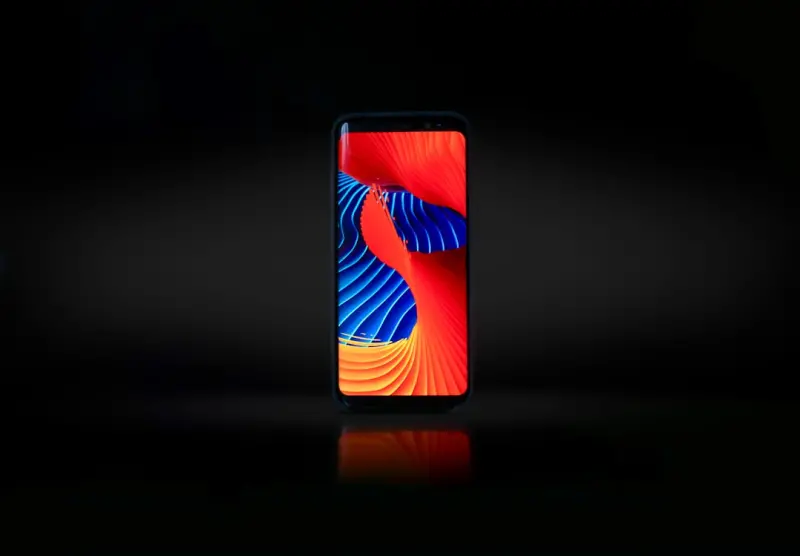
Why MicroLED Is the Quiet Game‑Changer Smartphones Have Been Waiting For
When you pick up a new phone, the first thing you notice is the screen – it’s the window to every app, every message, every fleeting moment you capture. Over the past decade we’ve watched OLED become the de‑facto standard for premium devices, but a quieter revolution is stirring behind the glossy panels: microLED. While the buzz around foldables and 5G has been loud, microLED is the subtle, almost secret, technology that promises to rewrite the fundamentals of display performance without the trade‑offs we’ve grown accustomed to.
The Anatomy of MicroLED – What Sets It Apart?
At its core, microLED is a collection of microscopic light‑emitting diodes, each acting as an independent pixel. Unlike OLED, where each pixel is an organic compound that degrades over time, microLED’s inorganic semiconductor material (typically gallium nitride) is far more robust. This difference translates into three pivotal advantages:
- Brightness and HDR Mastery: MicroLED can achieve peak brightness levels well beyond 1,500 nits, making HDR content look truly lifelike even under direct sunlight.
- Longevity and Color Stability: Because there’s no organic material to break down, manufacturers can promise 10‑plus years of consistent color accuracy without the dreaded “burn‑in” effect.
- Power Efficiency: Each microLED pixel can be turned off completely, delivering true blacks and reducing power draw when displaying darker scenes.
These technical merits aren’t just marketing fluff; they have tangible downstream effects on how we use our phones every day.
From Prototype to Pocket: The Roadblocks and Recent Wins
MicroLED isn’t brand new – research labs have been tinkering with it for decades. The real challenge has been scaling the technology to the sub‑millimeter precision required for smartphone displays. Yield rates, mass‑transfer processes, and cost have all been major hurdles. However, in the last few years we’ve seen notable milestones:
- Apple’s acquisition of a microLED start‑up and its reported progress on a “next‑gen” iPhone display.
- Samsung’s unveiling of a 6‑inch microLED panel aimed at premium smartphones, showcasing unprecedented brightness and color gamut.
- Chinese manufacturers announcing production lines capable of delivering 1080p microLED panels at a price point that could finally make the technology viable for mass‑market devices.
These breakthroughs hint that microLED will transition from “future tech” to “today’s reality” sooner rather than later.
What MicroLED Means for Everyday Users
While engineers geek out over nit values and pixel pitches, the average consumer cares about the end experience. Here’s how a microLED screen will reshape daily smartphone interactions:
1. Brighter Outdoor Viewing
Ever tried to watch a video on a sunny balcony? OLED screens often wash out, forcing you to tilt the device or increase brightness – which drains the battery. MicroLED’s ability to sustain extreme brightness without overheating means your content stays vivid, whether you’re on a beach or a bustling city street.
2. True‑to‑Life Color Reproduction
Photographers and content creators will finally have a display that mirrors the colors they see with their eyes. MicroLED’s wide color gamut (often covering DCI‑P3 and even approaching Rec.2020) ensures that the reds, blues, and greens you capture are rendered accurately, reducing the need for constant color correction.
3. Longer Battery Life
Because microLED can switch off individual sub‑pixels completely, power consumption drops dramatically when displaying dark UI elements or night‑mode apps. Pair that with the higher efficiency of the LEDs themselves, and you could see an extra 10‑15% battery endurance on a typical usage day.
4. No More Burn‑In Anxiety
Anyone who has left a static navigation bar on an OLED screen for weeks knows the dread of permanent ghost images. MicroLED eliminates this concern entirely, letting you keep your favorite widgets pinned without fear.
Beyond the Screen: Ecosystem Ripple Effects
Adopting microLED isn’t just a win for the display; it influences the entire smartphone ecosystem.
Hardware Design Freedom
MicroLED panels are thinner and more flexible than OLED counterparts. This opens doors for manufacturers to experiment with truly bezel‑less designs, under‑display cameras, or even foldable devices that maintain perfect display integrity across folds.
Software Optimization
Developers can start leveraging the higher peak brightness and contrast ratios to create UI elements that adapt in real time. Imagine an app that automatically switches to a “high‑contrast mode” outdoors without a manual toggle, or video players that dynamically boost HDR highlights for better immersion.
Supply‑Chain Shifts
The transition to microLED will reshape component sourcing. Traditional OLED factories, heavily dependent on organic vapor deposition, may pivot or partner with new semiconductor fabs specializing in GaN processes. This diversification could lead to more resilient supply chains, a welcome change after the recent chip shortages that rattled the industry.
Potential Drawbacks – A Balanced View
No technology is without its challenges. While microLED shines in many areas, there are a few concerns to keep in mind:
- Cost: Early production runs are expensive. Initial flagship phones with microLED may carry a premium price tag.
- Resolution Limits: Current microLED panels often top out at 1080p for smartphones, whereas OLED already offers 4K on some devices. However, the perceived sharpness is mitigated by superior contrast and color fidelity.
- Manufacturing Complexity: Aligning millions of microscopic LEDs with sub‑micron precision requires advanced equipment, which could slow adoption rates.
These hurdles are not insurmountable; they simply mean the rollout will be gradual, starting with high‑end devices before trickling down to mid‑range models.
MicroLED vs. Competing Technologies
It’s worth contrasting microLED with other emerging display tech:
Mini‑LED
Mini‑LED improves backlighting for LCDs, offering better contrast than traditional LCD but still falls short of the pixel‑level control that microLED provides. Mini‑LED is already in some tablets and laptops, but it can’t match the true blacks of microLED.
Quantum Dot OLED (QD‑OLED)
QD‑OLED adds a quantum dot layer to enhance color but retains the organic core’s susceptibility to burn‑in. MicroLED’s inorganic nature sidesteps this limitation entirely.
LTPO (Low‑Temperature Polycrystalline Oxide) OLED
LTPO focuses on power‑efficient variable refresh rates. While valuable, it doesn’t address brightness or longevity in the same way microLED does.
How Businesses Can Prepare for the MicroLED Wave
Even if you’re not an avid tech enthusiast, the shift to microLED has practical implications for enterprises:
- Marketing Assets: High‑fidelity visuals will become the norm. Brands should invest in higher‑resolution photography and video to leverage the display’s capabilities.
- App Design: UI/UX teams should start testing on microLED prototypes to understand how contrast and color shifts affect user flows.
- Device Procurement: IT departments planning device refresh cycles can anticipate a premium tier of microLED phones that may extend replacement timelines due to longer battery life and durability.
In short, aligning your digital strategy with the upcoming display standards will keep your brand looking sharp—literally.
What the Future Holds: A Glimpse Beyond 2025
Looking ahead, microLED could become the platform for even more radical innovations:
- Full‑Screen Sensors: Embedding environmental sensors directly into the display could enable real‑time air quality monitoring or health metrics without additional hardware.
- Holographic Extensions: With the high precision of microLED arrays, developers might experiment with light‑field displays that project 3D visuals without glasses.
- Energy Harvesting: The same GaN materials used in microLED can be tuned for photovoltaic properties, hinting at screens that help recharge the phone when exposed to sunlight.
While these ideas sound like science fiction today, the rapid pace of semiconductor innovation suggests they’re not far off.
Final Thoughts: Should You Wait for MicroLED?
If you’re on the fence about upgrading your device, consider your usage patterns. If you prioritize outdoor media consumption, long‑term durability, and color‑critical work, a microLED flagship could be worth the extra investment when it finally hits the market. For most users, the current generation of OLED still offers excellent performance, and waiting a year or two for the first wave of microLED phones won’t be a missed opportunity.
In any case, the emergence of microLED underscores a broader trend: smartphones are evolving from mere communication tools into sophisticated, high‑fidelity media platforms. As display technology pushes the envelope, the way we create, consume, and share content will inevitably follow suit.
Curious about how other emerging tech trends are reshaping business decision‑making? Check out AI boardroom ally for insights on leveraging intelligent tools in the enterprise. And if you’re looking to reduce your personal environmental footprint while staying tech‑savvy, the guide on zero‑waste personal care offers practical steps you can start today.

Paul Flynn is a versatile freelance writer equipped with a diverse skillset and a portfolio that reflects his wide-ranging interests and expertise. From crafting compelling website copy and engaging blog posts to delivering in-depth articles and meticulously researched reports, Flynn demonstrates a remarkable ability to adapt his writing style to suit various audiences and purposes.
Related Posts

The Impact of Smartphones on Mental Health: A Growing Concern
The impact of smartphones on mental health is a growing concern. Learn how to use smartphones in a h... Read More
When Your Smartphone Becomes Your Personal Wellness Coach
Discover how smartphones can evolve into personal wellness coaches, leveraging built‑in sensors, A... Read More
35 Smartphones with the Best Battery Life. These 2 Brands Topped the Field
Finding a phone that lasts all day is essential for modern productivity. We analyzed 35 smartphones ... Read More
Top Posts

Your Smartphone as a Personal Data Hub: Opportunities and Safeguards
Smartphones now store a wealth of personal and professional data, making them powerful hubs but also high‑risk targets. This article uncovers the hidden vulne...Read More

Compact Home Office Design: Big Productivity in Small Spaces
Learn practical strategies to turn a small corner of your home into a functional, inspiring office—covering layout, lighting, tech, sound, and daily rituals f...Read More

Crafting Meaningful Gift Experiences in a Digital-First World
Explore a step-by-step framework for creating personalized, eco‑friendly, experience‑driven gifts that strengthen brand loyalty and employee engagement in t...Read More
The Micro‑Automation Playbook: Tiny Triggers, Massive Marketing Wins
Learn how tiny, targeted automations can revamp your B2B marketing funnel, improve conversion rates, and future‑proof your tech stack with actionable steps an...Read More
0 Comments
Post Comment
You will need to Login or Register to comment on this post!