
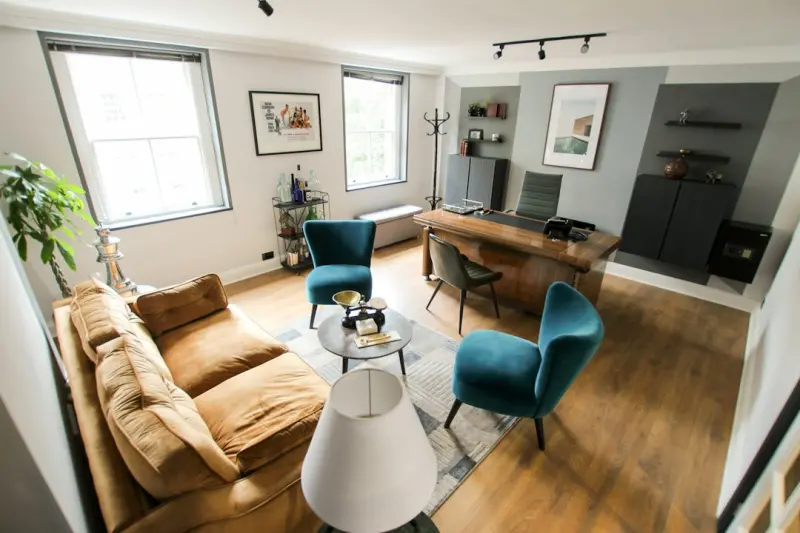
When the daily commute vanished and the kitchen table became the default desk, I found myself staring at a cramped corner of my apartment and wondering: how do I turn a 4‑by‑5‑foot space into a sanctuary of focus, creativity, and calm? The answer isn’t about buying a larger room—it’s about re‑imagining the very concept of a “home office.” In this post, I’ll walk you through a step‑by‑step blueprint for designing a compact work haven that feels expansive, energizing, and uniquely yours.
1. Start With Intent, Not Square Footage
Before you rush to measure walls or hunt for the tiniest desk on sale, pause and ask yourself three questions:
- What’s my primary work mode? Do you spend most of the day on video calls, deep‑focus writing, or rapid brainstorming with visual aids?
- What disrupts my flow? Is it glare, background noise, or the temptation to snack at the couch?
- Which rituals ground me? A morning coffee ritual, a midday stretch, or a nightly wrap‑up journal?
Answering these will dictate the layout, lighting, and accessories you prioritize. For example, a video‑call‑heavy professional will need a neutral backdrop and sound‑absorbing materials, while a creative writer might crave a wall of cork for idea pinning.
2. Choose the Right Nook
Every apartment has hidden corners: beneath a window, next to a bookshelf, or even a built‑in closet that’s been repurposed. Look for a spot that offers:
- Natural light without direct glare—ideally a north‑facing window.
- At least one solid wall for a backdrop, which can be dressed later with art or acoustic panels.
- Proximity to power outlets—no one wants a tangled web of extension cords.
When I discovered the narrow alcove beside my living‑room sofa, I realized it hit all three criteria. The next step was to make that alcove feel purposeful, not like an after‑thought.
3. Invest in a Multi‑Functional Desk
A traditional desk can dominate a small space. Instead, opt for a compact, height‑adjustable workstation that folds or slides when not in use. Look for features such as:
- Built‑in cable management. Hidden grommets keep cords tidy.
- Integrated storage. Small drawers or a shelf for notebooks and pens.
- Portable surface. A slim, rolling top that can be repositioned for collaborative work or a quick stretch.
My choice was a sleek sit‑stand desk that tucks under a floating shelf when I’m in “relax” mode. The flexibility of standing during long calls has noticeably boosted my energy levels.
4. Curate the Perfect Lighting Palette
Lighting is the silent productivity booster. A layered approach works best:
- Ambient light. A warm, diffused ceiling fixture or a floor lamp with a dimmer.
- Task light. An adjustable LED desk lamp with a color‑temperature range (2700‑6500 K) lets you switch from cool focus light to warm evening tones.
- Accent light. A small LED strip behind the monitor reduces eye strain and adds a modern vibe.
When my desk lamp flickered, I realized how much I relied on that focused beam for reading documents. Upgrading to a high‑CRI (color rendering index) lamp not only eased eye fatigue but also made colors on my screen appear more accurate—essential for design work.
5. Soundproofing Without Soundproofing
Even the most disciplined professional can be derailed by a neighbor’s vacuum or a barking dog. While full‑scale acoustic treatment is overkill for a 4‑by‑5 foot nook, you can achieve “good enough” sound control with a few smart choices:
- Soft surfaces. A thick rug, plush chair cushions, and fabric wall hangings absorb mid‑range frequencies.
- Portable acoustic panels. Lightweight foam panels can be mounted on the wall behind you and easily removed for a fresh look.
- Noise‑cancelling headphones. Invest in a pair with a transparent mode for occasional ambient awareness.
These tactics create a cocoon of focus without turning the space into a concrete bunker.
6. Personalize with Purposeful Décor
Clutter is the enemy of a clear mind. However, a few intentional décor pieces can inspire and humanize the area. Consider:
- One statement art piece. Choose a print that evokes calm or creativity—something you’d love to stare at during a brainstorming session.
- Plants. A small, low‑maintenance succulent or a hanging pothos improves air quality and adds a splash of green.
- Motivational cues. A magnetic board or a tiny chalkboard for daily goals keeps you accountable.
To keep the design cohesive, I limited myself to a home sensory design ideas guide that emphasizes texture and subtle scent without overwhelming the senses.
7. Optimize Your Tech Stack for Small Spaces
In a compact office, every gadget should serve multiple purposes. Here’s a streamlined toolkit:
- All‑in‑one monitor. A 27‑inch 4K screen replaces the need for a separate laptop and external speakers.
- Wireless peripherals. A Bluetooth keyboard and mouse eliminate clutter and give you flexibility to reposition the laptop.
- Docking station. A single hub connects power, displays, and peripherals, reducing the number of cables on the desk.
- Smart speaker. Voice‑controlled assistants can set timers, play focus playlists, or read your calendar aloud.
When I synced my calendar to my personal data hub, I could glance at my phone for upcoming meetings without opening a laptop, keeping my desk surface clear.
8. Create a Ritual to Close the Day
Physical boundaries help mental ones. At the end of each workday, perform a short “closing ritual”:
- Turn off the monitor and dim the lights.
- Log off from work apps and write tomorrow’s top three tasks on a sticky note.
- Physically shift the desk—slide it back, fold the legs, or cover it with a decorative cloth.
This simple routine signals to your brain that work is over, easing the transition to personal time.
9. Maintain Flexibility for Future Needs
A well‑designed micro‑office should evolve with you. Keep a few principles in mind:
- Modular furniture. Choose pieces that can be reconfigured as your work style changes.
- Scalable tech. Opt for devices that can be upgraded—e.g., a monitor with a USB‑C hub that supports future higher‑resolution displays.
- Seasonal adjustments. Swap out a light diffuser for a heater in winter, or add a fan in summer.
By treating your space as a living organism rather than a static setup, you’ll stay ahead of burnout and boredom.
10. The Bigger Picture: Why Small‑Space Design Matters
Compact home offices are more than a trend; they’re a response to shifting work cultures, rising urban density, and the desire for sustainable living. Designing an efficient, aesthetically pleasing nook reduces the need for larger rentals, cuts down on energy consumption, and encourages mindful consumption of furniture and tech.
When I first sketched this plan, I feared I’d end up with a cramped, uninspiring corner. Instead, the space feels like a launchpad for ideas—a reminder that creativity isn’t limited by square footage but amplified by intentional design.
Ready to transform your own tiny nook? Start with intention, layer the essentials, and let the space grow with you. The result will be a compact powerhouse that fuels productivity, nurtures wellbeing, and proves that less truly can be more.

In the world of freelance writing, where creativity and adaptability are paramount, Michelle Fisher stands out as a dedicated and versatile professional. With a passion for crafting compelling narratives and a keen eye for detail, Michelle has established herself as a trusted voice.
Related Posts

Rediscovering Everyday Joy: Small Shifts That Make Big Difference
A guide to infusing everyday life with purposeful micro‑rituals, sensory resets, and tiny home upg... Read More

How Tiny Daily Adventures Reignite Your Creative Spark
Explore the concept of micro‑adventures—short, purposeful outings that break routine and boost c... Read More

Curating Your Personal Sanctuary: Tiny Shifts for Tremendous Calm
A practical guide to building a personal sanctuary using decluttering, intentional lighting, scent, ... Read More
Top Posts

Understanding the Causes of Speech Delay in Children: A Comprehensive Guide
For parents, one of the most exciting developmental milestones is hearing their child utter their first words and begin to communicate. When a child's language ...Read More
50 Easy Gardening Hacks To Make The Most Out Of Your Garden
Gardening is a source of immense joy, providing fresh produce, vibrant blooms, and a tranquil escape from the daily grind. However, it can also feel daunting, c...Read More

The Evolution of TikTok: Understanding its Impact on Modern Society
The rise of TikTok has been phenomenal, captivating the attention of millions of users worldwide. This article explores the evolution of TikTok, its impact on m...Read More

Mastering Holiday Spending: A Comprehensive Guide to Preventing Impulse Purchases This Season
The festive season, with its twinkling lights, joyous gatherings, and gift-giving traditions, often brings an undeniable sense of warmth and generosity. However...Read More
0 Comments
Post Comment
You will need to Login or Register to comment on this post!