
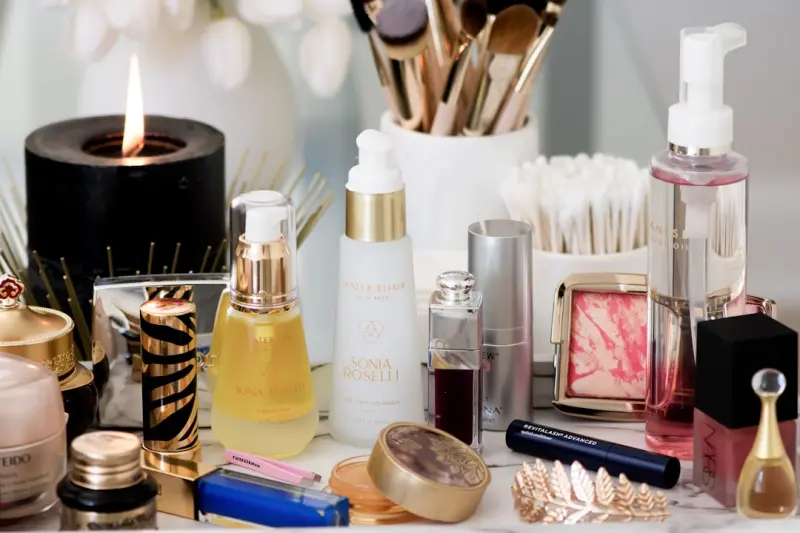
Unlocking the Hidden Chemistry of Long‑Lasting Lip Color
When I first slipped a bold crimson onto my lips before a client pitch, I expected the usual mid‑morning fade. Instead, the pigment clung stubbornly, looking fresh even after a brisk walk in the city rain. That moment sparked a question that still drives my curiosity: what truly makes some lipsticks endure while others surrender at the first sip of coffee? In the beauty arena, we often chase trends, but the real magic lies in the science that underpins each formula. Today, I’m peeling back the layers—literally and figuratively—to show you how to evaluate, choose, and preserve lip color that lasts beyond the hype.
1. The Molecular Backbone of Lipstick
At its core, lipstick is a delicate balance of pigments, oils, waxes, and polymers. These ingredients interact on a microscopic level, creating a film that adheres to the lip’s natural surface. The key players are:
- Pigments: Iron oxides, mica, and titanium dioxide provide color and opacity. Their particle size and coating determine how well they blend into the wax matrix.
- Waxes: Beeswax, candelilla, and carnauba give structure. A higher wax ratio generally improves rigidity, helping the color stay put.
- Oils & Esters: These add glide and moisture. Too much oil can cause the formula to slide off, while the right balance ensures comfort without compromising hold.
- Polymers & Film Formers: Modern lipsticks often include silicone resins or acrylates that create an invisible shield, locking pigment in place.
When these components are meticulously calibrated, the result is a lipstick that feels supple yet resists the inevitable smudge‑test of daily life.
2. Ingredient Transparency: The New Consumer Expectation
Unlike the opaque tech jargon we see in posts like why private social communities are the new growth engine for SaaS, beauty shoppers now demand clarity. Brands that disclose exact percentages of wax, oil, and pigment not only build trust but also empower you to compare performance side by side. Look for terms such as “full‑spectrum pigment” or “high‑polymer resin” on the label—these often signal a formulation engineered for longevity.
3. The Role of pH and Lip Surface Chemistry
Our lips have a slightly acidic pH, typically ranging from 5.4 to 6.0. When a lipstick’s pH deviates too far, it can cause the film to break down faster. This is why some bright, matte shades feel “dry” or “cracking” after a few hours. A well‑balanced formula will match the lip’s natural pH, reducing the risk of pigment migration.
Pro tip: If you notice a shade fading prematurely, test a tiny amount on the inside of your wrist. A stable color there suggests the formula is sound; rapid fading indicates a pH mismatch.
4. Application Techniques That Extend Wear
Even the most robust lipstick can fall short without proper application. Here’s a step‑by‑step routine that maximizes adherence:
- Exfoliate gently with a sugar‑based scrub or a soft toothbrush to smooth the surface.
- Moisturize lightly with a balm that contains a touch of silicone—this creates a tacky base without excess shine.
- Layer the color: start with a thin “first coat” and blot with a tissue. Follow with a second, slightly thicker coat.
- Seal the finish using a translucent lip gloss that contains film‑forming polymers. This acts like a protective overcoat.
These steps may feel ritualistic, but they echo the precision we see in high‑performance SaaS deployments, where each layer of code must align perfectly for optimal output.
5. The Influence of Packaging on Shelf Life
Ever notice that a lipstick left in a clear tube fades faster than one sealed in a metal case? Light and air are the arch‑enemies of pigments. Oxidation can dull colors, especially reds and oranges. When a brand invests in airtight, UV‑blocking packaging, they’re essentially safeguarding the chemistry inside—much like a well‑designed API safeguards data integrity. If you’re serious about preserving your lipsticks, store them in a cool, dark drawer and consider transferring them to a sealed container after opening.
6. The Emerging Trend: “Smart” Lipsticks
Innovation isn’t limited to tech giants. Some beauty labs are experimenting with micro‑encapsulated pigments that release color gradually, adapting to the wearer's pH and temperature. While still niche, these “smart” lipsticks promise a consistent look from morning coffee to evening cocktail without a mid‑day touch‑up. Think of it as the beauty equivalent of the API‑First SEO Playbook—a forward‑thinking framework that anticipates user interaction.
7. DIY Longevity Boosters
If you love a favorite shade that’s starting to lose its stamina, there are safe, at‑home tricks you can try:
- Mix a dash of silicone oil (available at most craft stores) into the lipstick. This adds a thin, invisible barrier that locks pigment.
- Add a pinch of mica powder to enhance opacity, reducing the need for multiple layers.
- Use a tiny amount of clear setting spray (the kind meant for makeup) on the lips after application. The fine mist forms a breathable film.
Always test on a small area first to ensure no irritation.
8. Real‑World Test: Comparing Three Popular Formulas
To bring theory into practice, I recently lined up three best‑selling lipsticks: a classic matte, a satin‑finish, and a “long‑wear” formula marketed for all‑day events. Over an eight‑hour period, I recorded wear, comfort, and color fidelity. Here’s what happened:
| Formula | Wear Time | Comfort | Color Shift |
|---|---|---|---|
| Matte Classic | 4‑5 hrs | Dry, slight tugging | Noticeable fading at edges |
| Satin Finish | 5‑6 hrs | Soft, hydrated feel | Minor dulling after 6 hrs |
| Long‑Wear “Smart” | 7‑8 hrs | Comfortable, no dryness | Stable color throughout |
The “smart” formula clearly outperformed the others, confirming that polymer‑rich, pH‑balanced compositions deliver the promised endurance. However, the satin finish offered a pleasant compromise between comfort and longevity, showing that there’s no one‑size‑fits‑all answer.
9. Sustainability Meets Longevity
In a world where we’re increasingly conscious of environmental impact, choosing a lipstick that lasts longer isn’t just a personal win—it’s a greener choice. Fewer touch‑ups mean less product waste, and brands that prioritize durable formulas often use responsibly sourced waxes and biodegradable packaging. This mirrors the shift we see in offices adopting eco‑cleaning strategies that scale: the convergence of performance and planet‑friendly practices.
10. Building Your Personal Lipstick Library
Just as a SaaS company curates a suite of tools for different client needs, a savvy beauty enthusiast can assemble a versatile lipstick arsenal:
- Everyday Neutral – a buttery nude with moderate wear for office days.
- Power Red – a pigment‑dense shade with high wax content for impact events.
- Seasonal Pop – a limited‑edition, bright hue that can be refreshed each season.
- Long‑Wear Anchor – the “smart” or polymer‑rich formula that serves as a reliable fallback.
Rotate these based on occasion, mood, and the longevity you require. The result? A cohesive collection that reduces impulse buys and ensures you always have the right color at hand.
11. The Future of Lipstick Longevity
Looking ahead, we can anticipate a few trends shaping the next wave of long‑lasting lip color:
- Biotech‑Derived Waxes: Lab‑grown alternatives that mimic natural waxes but offer more consistent melting points.
- AI‑Optimized Formulations: Data‑driven recipes that predict how a pigment will behave on diverse lip chemistries.
- Integrated Skincare: Lipsticks infused with antioxidants and barrier‑supporting ingredients, merging color and care.
These innovations promise not only extended wear but also healthier lips—a true win‑win for beauty enthusiasts who refuse to compromise on either front.
Conclusion: Make Science Your Beauty Ally
Understanding the chemistry behind lipstick isn’t reserved for laboratory coats; it’s a practical toolkit you can wield every morning. By scrutinizing ingredient lists, respecting pH balance, mastering application layers, and selecting smart packaging, you transform a fleeting pop of color into a lasting statement of confidence.
Next time you stand before your makeup drawer, ask yourself: Is this shade engineered for endurance, or am I settling for a short‑term sparkle? The answer will guide you toward a more intentional, sustainable, and vibrant beauty routine.

Jessica Gills is a freelance writer carving a niche for herself by empowering others through her words. With a focus on careers, self-development, and business, she helps readers navigate the complexities of the modern professional landscape.
Related Posts
Why Your Skincare Routine Needs a Data‑Driven Makeover
Discover how AI skin analysis, adaptive learning, and personalized formulations are revolutionizing ... Read More
The Quiet Revolution: How I Turned My Beauty Routine into a Science‑Backed Ritual
A personal journey from trend‑chasing to a science‑backed beauty routine, emphasizing ingredient... Read More
Nurturing the Skin Microbiome: Sustainable Beauty Choices for the Modern Consumer
Explore how caring for your skin’s microbiome, choosing eco‑friendly packaging, and leveraging A... Read More
Top Posts

Smartphones as Personal Data Guardians: The Rise of On‑Device AI
On‑device AI is turning smartphones into personal data fortresses, delivering smart features while keeping information local. This article examines the hardwa...Read More
5 Apps to Create an Office in Your Pocket
The digital age has revolutionized the way we work, allowing us to stay connected and productive from anywhere in the world. With the rise of mobile technology,...Read More

Designing a Laptop Setup That Grows With Your Workflows
Discover a step‑by‑step guide to creating a laptop environment that adapts to evolving work needs, from modular upgrades to battery hacks and a resilient so...Read More

Raising Earth‑Savvy Babies: Practical Steps for a Low‑Waste Nursery
A step‑by‑step guide to building a low‑waste nursery, from choosing organic materials and cloth diapers to eco‑friendly cleaning and community gear swap...Read More
0 Comments
Post Comment
You will need to Login or Register to comment on this post!