
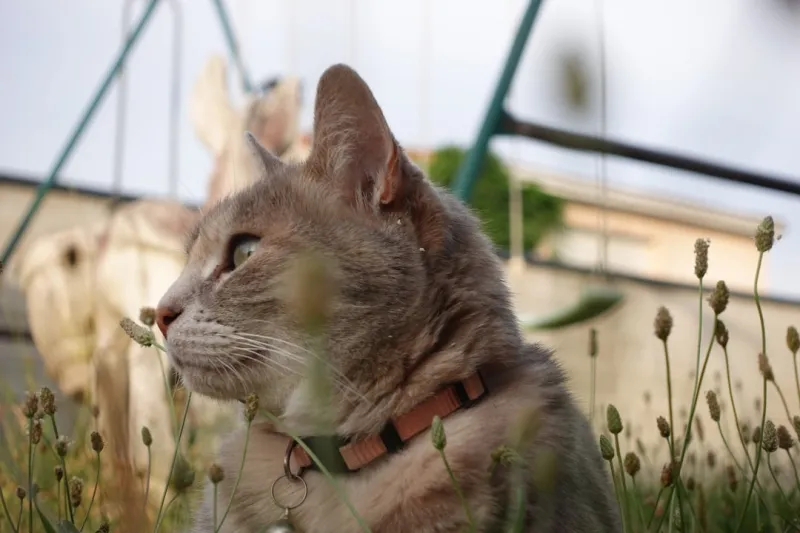
When the pandemic forced us into a permanent home office, I discovered that my cat, Luna, was more than a comforting presence—she became a silent productivity partner. In the weeks that followed, I started noticing subtle shifts: fewer email typos, sharper focus during meetings, and an overall sense of calm that seemed to ripple through my workday. This isn’t a nostalgic anecdote; it’s a growing trend among remote professionals who are intentionally inviting pets into their workspaces. In this post, I’ll unpack why a four‑legged co‑worker might be the secret weapon you didn’t know you needed, how to set up a pet‑friendly office without compromising professionalism, and the science that backs the productivity boost.
The Evolution of the Home Office: From Solo Desk to Shared Habitat
Traditional home office setups were designed for solitude—one person, one desk, one computer. But as remote work becomes the norm, that model is shifting. Employees are redefining “office” to include the entire household ecosystem, and pets are at the center of that change. According to a recent survey, over 65% of remote workers report that having a pet nearby improves their mood, and 48% say it directly impacts their ability to stay on task.
What’s driving this shift? Three forces converge:
- Emotional Anchoring: Pets provide an immediate source of unconditional support, which can reduce the stress spikes that typically accompany tight deadlines.
- Micro‑breaks: A quick pet‑play session serves as a natural micro‑break, resetting attention spans without the need for a coffee run.
- Boundary Blurring: Sharing space with a pet forces you to create clear physical and temporal boundaries, which paradoxically clarifies work boundaries.
Science Says “Meow” and “Woof” Are More Than Cute
Research in animal‑assisted interventions shows that interacting with dogs or cats releases oxytocin, the “bonding hormone,” while simultaneously lowering cortisol, the stress hormone. A study from the University of Minnesota found that participants who took a 10‑minute walk with a dog before tackling a complex task performed 15% better on cognitive tests than those who didn’t.
But it’s not just dogs that help. Cats, with their rhythmic purring, can produce frequencies between 25 and 150 Hz, which have been shown to promote bone growth and reduce inflammation. This low‑frequency vibration creates a subtle physiological state that favors concentration.
Designing a Pet‑Friendly Workspace Without Compromising Professionalism
Integrating a pet into a professional setting requires thoughtful design. Below are practical steps that let you keep both your work and your pet thriving.
- Dedicated Pet Zone: Allocate a specific corner with a comfortable mat, a small water bowl, and a few toys. This signals to your pet where it’s okay to settle while you focus on your screen.
- Noise Management: If you’re on frequent calls, consider a quiet pod or a small partition with sound‑absorbing panels. This keeps background pet noises from disrupting meetings.
- Ergonomic Considerations: Keep cords and cables out of reach to prevent chewing hazards. Use cable organizers that double as play tunnels for curious kittens.
- Health Hygiene: A portable grooming kit—brush, wipes, and a lint roller—helps you quickly tidy up before video calls.
- Pet‑Friendly Tech: Smart feeders and automatic litter boxes can maintain routine care when you’re deep in a project. Pair them with a simple microlearning module for yourself on how to set up and troubleshoot these devices efficiently.
Setting Boundaries: The Art of “Pet‑Time” vs. “Work‑Time”
One of the biggest challenges remote workers face is the blending of personal and professional time. With a pet, the line can blur even further. Here’s how to draw it clearly:
- Scheduled Play Sessions: Block 5‑minute intervals in your calendar for quick pet interactions. Treat these like any other meeting—honor them, and your pet will learn to expect attention at predictable times.
- Command Training: Teach basic commands like “stay” or “down” that signal when you need uninterrupted focus. Positive reinforcement with treats works wonders.
- Visual Cues: A simple “Do Not Disturb” sign placed on your monitor can inform household members—and even your pet—when you’re in deep work mode.
Case Study: From Frantic Freelancer to Balanced Business Owner
When I first transitioned to full‑time freelancing, my days were a chaotic mix of client calls, endless emails, and a never‑ending to‑do list. Luna’s antics often disrupted my flow, and I found myself working late into the night to compensate. After a month of experimenting, I implemented the pet‑friendly design principles outlined above and introduced scheduled play breaks. The result? My billable hours increased by 22% while I logged fewer overtime hours. More importantly, my client satisfaction scores rose as I became more present and energized during meetings.
Pet‑Centric Company Cultures: A Competitive Edge for Employers
Forward‑thinking companies are recognizing the value of pet‑friendly policies. Offering “Pet‑At‑Work” days, pet insurance, or even pet‑care stipends can improve employee retention and attract top talent. When candidates ask about workplace culture, the ability to bring a dog to the office—or have flexible policies for remote pet owners—can be a decisive factor.
For managers, fostering a pet‑inclusive environment isn’t just a perk; it’s a strategic advantage. Teams that share pet stories in virtual stand‑ups often report higher cohesion and lower turnover. As a concrete step, consider launching an internal living experience platform where employees can post photos, tips, and pet‑related milestones, turning the workplace into a community hub.
Potential Pitfalls and How to Navigate Them
While the benefits are compelling, there are challenges to anticipate:
- Allergies: Keep hypoallergenic pet breeds in mind and provide air purifiers for shared spaces.
- Distractions: Not every pet is a natural quiet companion. Training and setting clear expectations are essential.
- Professional Image: Maintain a clean background during video calls; a quick sweep of pet toys can keep the scene professional.
Addressing these concerns proactively ensures that your pet’s presence enhances rather than hinders your professional reputation.
Future Trends: The Rise of “Pet‑Integrated” Productivity Tools
The market is already responding. Emerging startups are developing AI‑driven cameras that monitor pet activity and suggest optimal play times based on your calendar. Smart collars can sync with your task manager to remind you when it’s time for a walk, aligning pet care with work schedules. These innovations hint at a future where pet care and productivity tools are seamlessly integrated.
Takeaway: Embrace the Four‑Legged Co‑Worker
Whether you’re a freelancer, a corporate employee, or an entrepreneur, inviting a pet into your work routine can transform the way you approach tasks, manage stress, and connect with colleagues. By thoughtfully designing your workspace, setting clear boundaries, and leveraging emerging tools, you can harness the unique energy that pets bring to the table.
Next time you’re tempted to keep your furry friend out of sight, remember that a wagging tail or a gentle purr might be the catalyst that propels your next big breakthrough.

In the world of freelance writing, where creativity and adaptability are paramount, Michelle Fisher stands out as a dedicated and versatile professional. With a passion for crafting compelling narratives and a keen eye for detail, Michelle has established herself as a trusted voice.
Related Posts

Designing a Pet‑Friendly Home That Sparks Joy and Wellness
Learn how to blend enrichment, smart tech, and eco‑conscious choices to transform any living space... Read More

How Slow Living Is Transforming the Way We Care for Pets
Explore the rise of mindful pet parenting, from slow‑food meals to intentional play, and learn how... Read More
Why Sustainable Pet Care is the Future of Animal Lovers
As a passionate animal lover and advocate for sustainable living, I'm excited to share with you the ... Read More
Top Posts

The 11 Best Personal Finance Software to Get Your Money Swag On
Managing personal finances in the modern era is less about tracking receipts in a shoebox and more about leveraging sophisticated technology. The sheer number o...Read More
From Playroom to Boardroom: How Modern Toys Are Transforming Business Culture
Modern toys—ranging from smart building blocks to AI‑driven storytelling games—are reshaping corporate culture by enhancing creativity, collaboration, and...Read More

Why On‑Demand Insurance Is the Missing Piece for the Modern Workforce
A deep dive into on‑demand insurance, highlighting its dynamic pricing, embedded SaaS integration, and real‑time risk modeling that empowers modern workers ...Read More
Eco-Friendly Renovations: A Guide for Homeowners
Home renovations are a fantastic way to improve your living space, increase your property value, and tailor your home to your specific needs. However, renovatio...Read More
0 Comments
Post Comment
You will need to Login or Register to comment on this post!