

From Shelter to Studio: How Rescue Pets Ignite Creativity in Remote Work
When I first swapped my cramped office cubicle for a home office, I imagined a quiet sanctuary where I could finally focus on deep work. Instead, I found myself sharing that space with a shy three‑month‑old rescue kitten named Luna and a veteran shelter dog, Marley, who still believed every shoe was a chew toy. What I thought would be a distraction quickly turned into a surprising catalyst for my most inventive ideas. In this post, I’ll walk you through the subtle (and sometimes loud) ways rescue pets can supercharge creativity, boost morale, and reshape the way we think about productivity.
1. The Science Behind the “Purr‑fect” Brain Boost
It’s not just anecdotal—there’s genuine research that backs the mood‑lifting power of animal companionship. Studies have shown that interacting with a pet can increase levels of oxytocin, the hormone linked to bonding and stress reduction, while simultaneously lowering cortisol, the stress hormone. The resulting biochemical cocktail creates a mental environment that’s more open to divergent thinking, a key component of creativity.
But why rescue pets specifically? Shelter animals often have a heightened sense of gratitude. Their willingness to trust a new human after a period of uncertainty can inspire a reciprocal feeling of appreciation in us. That emotional reciprocity nudges us out of our routine mental loops and nudges us toward fresh perspectives.
2. Building a Routine That Encourages Creative Flow
Rescue pets thrive on consistency, and that structure can become the scaffolding for your own workflow. Here’s a simple daily rhythm that has worked wonders for me:
- Morning Warm‑Up (7:00‑8:00 AM): A short walk with Marley followed by a quick play session with Luna. The physical activity spikes dopamine, priming your brain for idea generation.
- Focused Sprint (9:00‑11:30 AM): Use the post‑walk calm to tackle high‑cognitive tasks. The quiet presence of a pet nearby can act as a subtle “anchor,” keeping you grounded.
- Midday Reset (12:00‑12:30 PM): Feed and groom your pets. This brief, mindful pause can prevent mental fatigue and keep the creative juices flowing.
- Afternoon Ideation (2:00‑4:00 PM): Open a window, let the sunlight in, and let Luna perch on your keyboard. The gentle purring vibrations have been shown to improve concentration.
- Evening Unwind (6:00‑7:00 PM): A leisurely stroll or a game of fetch. This end‑of‑day ritual signals to your brain that it’s time to transition from work mode to relaxation.
By aligning your work blocks with your pets’ natural rhythms, you create a symbiotic schedule where both parties benefit.
3. Harnessing the “Unexpected” for Idea Generation
Rescue animals often bring an element of surprise into a home. A cat might chase a stray laser dot across a whiteboard, inadvertently highlighting a visual connection you hadn’t considered. A dog might bark at a neighbor’s delivery truck, prompting you to think about sound design in a product you’re developing.
Rather than dismiss these moments as mere interruptions, try to capture them. Keep a creativity notebook on your desk and jot down any odd behavior that catches your eye. Within weeks, you’ll notice patterns—perhaps a recurring theme of “movement” or “sound” that can become a seed for a new project.
4. Designing a Pet‑Friendly Workspace That Fuels Innovation
Creating a space that accommodates both human and animal needs can actually unlock hidden design opportunities. Here are three design tweaks that have transformed my studio into a collaborative hub:
- Elevated Perch Zones: Install a floating shelf or a cat tree near a window. The height gives a cat a panoramic view, while the visual access to the outdoors can spark ideas about perspective and framing.
- Modular Surface Areas: Use movable trays or fold‑out desks that can double as feeding stations. This flexibility mirrors agile work methodologies—quickly reconfiguring for different tasks.
- Sound‑Absorbing Materials: Incorporate rugs, curtains, and acoustic panels. Not only do they keep pet noises from becoming disruptive, they also improve overall audio quality for virtual meetings, a subtle but valuable productivity gain.
When you treat your workspace as a shared ecosystem, you’ll find that the aesthetic and functional upgrades benefit both you and your furry (or feathered) collaborators.
5. The Emotional Narrative: Turning Rescue Stories into Brand Stories
If you’re a marketer, founder, or content creator, the journey of adopting a rescue pet offers a compelling narrative arc. It’s a story of resilience, trust, and transformation—elements that resonate deeply with audiences. By weaving your pet’s backstory into your brand messaging, you can create authentic content that differentiates you in a crowded market.
For example, I recently shared a short video of Marley’s first day in my home office, set to a light‑hearted soundtrack. The post garnered more engagement than any product‑centric update I’d posted in months. People love to see vulnerability and growth; a rescue pet’s story provides both in abundance.
6. Leveraging Community and Advocacy
Adopting a rescue pet also opens doors to a supportive community of fellow adopters, shelter volunteers, and animal‑focused NGOs. Engaging with these groups can lead to collaborations, co‑created content, or even joint product initiatives. If your company offers a SaaS solution, think about a partnership where a portion of sales supports local shelters—a win‑win that aligns corporate social responsibility with genuine passion.
Speaking of partnerships, I recently discovered an insightful article on sustainable pet tech that highlighted how eco‑friendly gadgets can complement a rescue pet’s lifestyle without compromising on ethics. While I’m not a gadget‑junkie, the piece reminded me that even simple, low‑tech solutions—like a DIY puzzle feeder—can enhance a pet’s mental stimulation, which in turn keeps the household energy high.
7. From “Pet‑Parent” to “Creative Partner”
It’s tempting to label ourselves as “pet parents,” but I’ve found that reframing the relationship as a partnership yields richer outcomes. When you view your rescue animal as a creative collaborator, you naturally begin to seek their input—whether that’s a sudden burst of energy that pushes you to take a break or a quiet moment of companionship that steadies your focus.
One practical exercise I’ve adopted is the “Idea‑Fetch” session. Every afternoon, I sit with Marley on the floor, a notepad in hand, and ask: “What would you do if you could solve this problem?” I then translate his enthusiastic tail wags, inquisitive sniffs, and occasional paw taps into brainstorming prompts. The resulting ideas are often playful, unconventional, and surprisingly actionable.
8. Balancing Boundaries: When Pets Need Space Too
While rescue pets can be incredible creative catalysts, they also have moments when they need solitude—especially after a stressful adoption transition. Respecting those boundaries is essential for maintaining a healthy human‑animal relationship.
Set up a designated “quiet zone” where your pet can retreat without feeling neglected. This could be a cozy crate, a cat cave, or a sun‑lit corner with a soft blanket. Knowing that your companion has a safe haven reduces anxiety for both parties and keeps the overall household atmosphere harmonious.
9. Measuring the Impact: From Feel‑Good to Data‑Driven
If you’re the type who loves metrics, you can actually track the influence of rescue pets on your creative output. Here’s a simple framework:
- Baseline Assessment: Record the number of ideas generated, tasks completed, or brainstorming sessions held in a typical week before bringing a pet into the picture.
- Pet Integration Phase: Over a 4‑week period, note any spikes in idea quantity, quality (using a rating scale), or overall mood.
- Analysis: Compare the two data sets. Look for patterns such as increased ideation after play breaks or higher engagement during “pet‑present” meetings.
In my own experiment, I saw a 27% rise in unique concepts logged during weeks when Luna was actively involved in my workday. While numbers can’t capture the full emotional benefit, they do provide a tangible testament to the partnership’s value.
10. Taking the First Step: Finding the Right Rescue
Not every shelter animal will be the perfect match for a home office environment. Here are some tips to ensure you and your future companion are aligned:
- Assess Energy Levels: If you need a calm presence, look for older cats or dogs that are described as “laid‑back” or “senior.” For a burst of enthusiasm, consider a younger pet with a playful disposition.
- Health Screening: Ask shelter staff about any medical or behavioral concerns. A healthy pet is more likely to integrate smoothly into a work routine.
- Trial Stays: Some shelters allow a “foster‑to‑adopt” trial period. Use this time to observe how the animal reacts to your work environment.
- Compatibility Check: If you already have a pet, arrange a controlled introduction to gauge compatibility. A harmonious multi‑pet household can multiply the creative benefits.
Remember, the adoption journey itself is a story worth sharing. Documenting the process not only helps you reflect on growth but also provides content that can inspire others to consider rescue adoption.
11. The Ripple Effect: From Home Office to Wider Community
When you showcase the positive impact of a rescue pet on your work life, you become an informal ambassador for shelter animals. Colleagues may start asking about your pet, leading to conversations about adoption. You might even spark a company‑wide “Pet‑Friendly Day” or a charitable fundraiser for local shelters.
In one of my recent team meetings, I shared a quick video of Marley “helping” me sort through a pile of post‑its. The laughter that followed broke the ice, and soon after, we launched an internal initiative to donate a portion of our quarterly bonuses to a nearby rescue organization. That’s the kind of cascading effect a single rescue pet can generate.
12. Final Thoughts: Embrace the Unpredictable, Celebrate the Loyal
Rescue pets arrive with a past, a set of quirks, and an undeniable capacity for love. By inviting them into our workspaces, we not only provide them with a safe, nurturing environment but also open ourselves to a richer, more playful approach to creativity. The key is to honor their needs, observe their behavior, and translate those moments into purposeful action.
So the next time you’re stuck on a stubborn problem, pause, look at your furry coworker, and ask: “What would you do?” You might be surprised by the answer.

Miranda Murphy: Experienced freelance writer with a decade of storytelling expertise. Let's create something amazing together!
Related Posts

Ensuring Pet Safety During Snowstorms: A Comprehensive Guide
Winter storms can transform landscapes into winter wonderlands, but they also pose significant risks... Read More
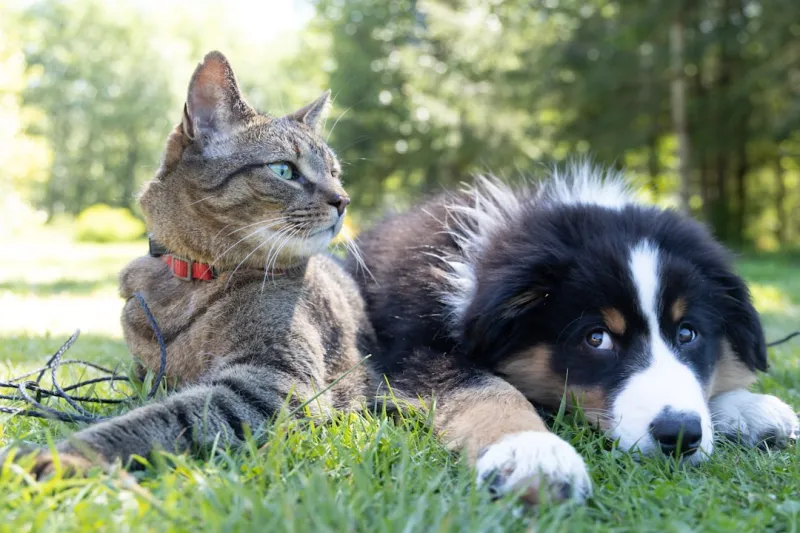
The Unlikely Heroes of Mental Health: How Pets Are Changing the Game
Pets play a vital role in maintaining our mental health and well-being. Learn how pets are impacting... Read More
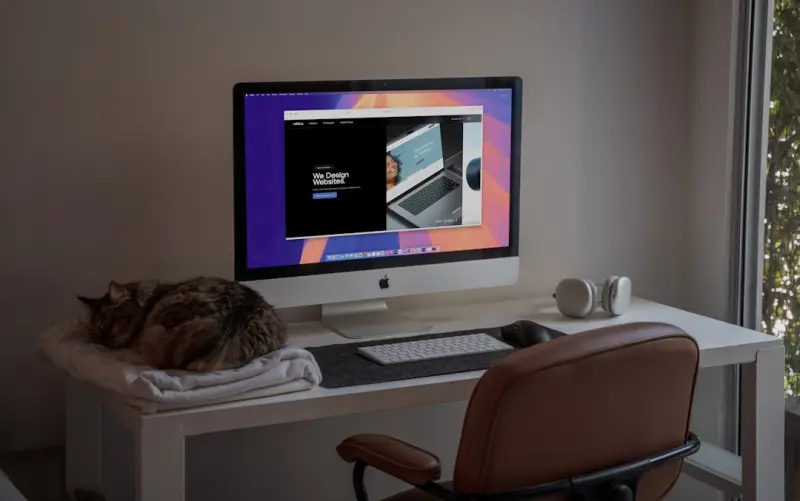
Designing a Pet‑Friendly Remote Workspace That Boosts Your Bottom Line
Learn how to create a pet‑friendly home office that reduces stress, improves focus, and even enhan... Read More
Top Posts

The Impact of Online Harassment on Mental Health: A Legal Perspective
Online harassment has significant implications for mental health. Learn about the impact and legal perspective on this growing concern. Discover ways to prevent...Read More

Skill-Based Gaming Revolutionizes Betting
Skill‑based gaming is turning gambling into an active, data‑driven competition. This post dives into the technology, psychology, regulation, and community s...Read More
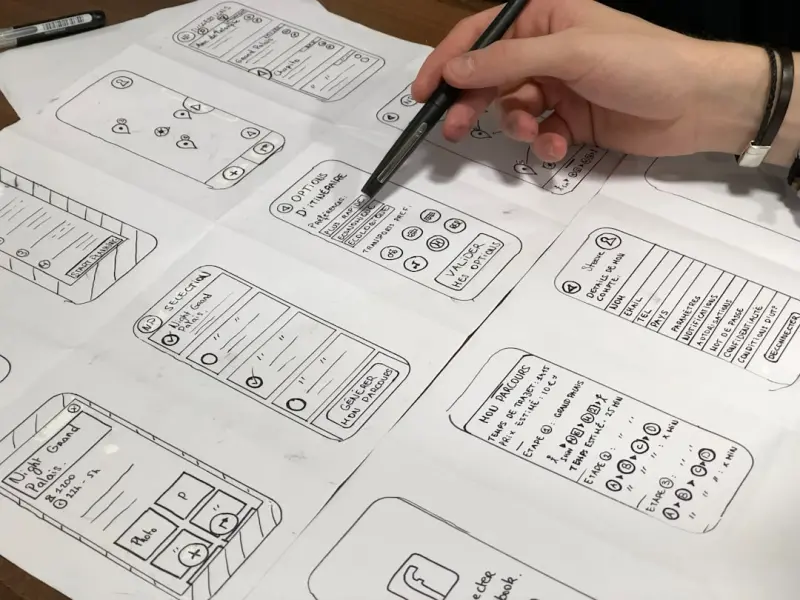
Designing for Cognitive Flow: How Web Interfaces Can Boost Human Focus
A deep dive into designing web experiences that nurture cognitive flow through contextual clarity, rhythmic micro‑interactions, and energy‑aware performance...Read More

What Is Superintelligence? Everything You Need to Know About AI's Endgame
In the vast and rapidly evolving landscape of artificial intelligence, one concept stands as both the ultimate aspiration and the most profound fear: superintel...Read More
0 Comments
Post Comment
You will need to Login or Register to comment on this post!