
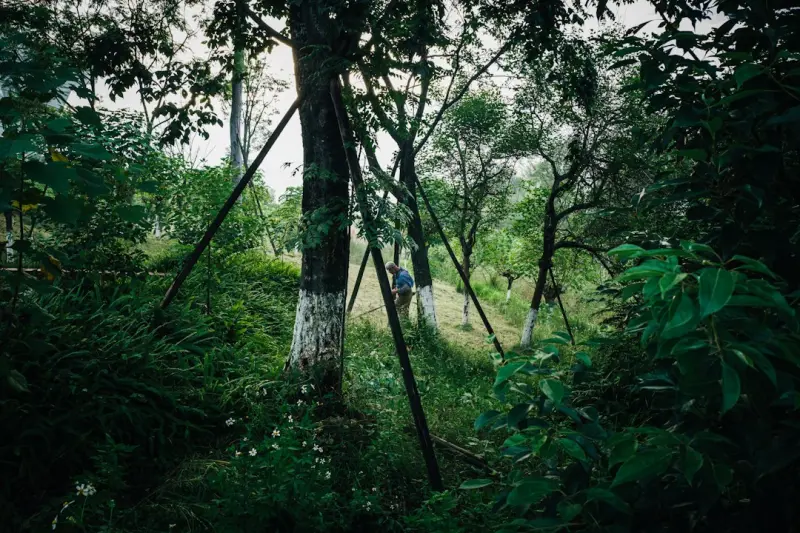
Why Urban Forest Bathing Is the Wellness Reset You Didn’t Know You Needed
Imagine stepping out of the office, the hum of fluorescent lights replaced by the rustle of leaves, and the stale coffee scent swapped for fresh pine. This isn’t a weekend retreat; it’s a practice you can weave into a busy professional’s calendar: urban forest bathing, or shinrin-yoku as it’s known in Japan. While the term might sound exotic, the science behind it is remarkably simple—exposing your senses to natural environments can trigger measurable reductions in stress hormones, improve immune function, and sharpen mental clarity. In a world where we’re constantly toggling between video calls, Slack pings, and endless inboxes, the benefits of this practice are nothing short of a corporate superpower.
The Neuroscience Behind a Breath of Green
When you walk through a park or a tree‑lined boulevard, three things happen at the neurochemical level:
- Lower cortisol: Studies show a 12‑15% drop in cortisol after a 20‑minute walk among trees, translating to less anxiety and better decision‑making.
- Increased parasympathetic activity: Your “rest‑and‑digest” system kicks in, slowing heart rate and lowering blood pressure.
- Boosted natural killer (NK) cell activity: Your immune system becomes more efficient at targeting viruses and cancer cells.
These effects aren’t just theoretical. Researchers at the University of Tokyo measured participants’ blood markers before and after a forest bathing session and found a statistically significant boost in NK cell activity that lasted for up to a week. The takeaway? Even a short, intentional exposure to greenery can give your body a health buffer that lasts far beyond the stroll itself.
How to Integrate Forest Bathing Into a City Schedule
Many professionals assume that forest bathing requires a weekend hike in the wilderness. The truth is far more accessible. Here’s a step‑by‑step guide to making it a habit without sacrificing productivity:
- Identify a green pocket: Look for city parks, rooftop gardens, or even tree‑lined streets near your office. In most metropolitan areas, there’s at least one green space within a 10‑minute walk.
- Schedule a “sensory break”: Block 20‑30 minutes on your calendar—treat it like any other meeting. The key is consistency; aim for three times a week.
- Leave devices behind: This is a digital‑detox moment. Keep phones on silent or, better yet, in a locker.
- Engage all five senses:
- Sight: Observe the varying shades of green, the way light filters through leaves.
- Sound: Listen for birdsong, the subtle crunch of footsteps on leaf litter.
- Smell: Inhale the earthy aroma of soil and foliage—phytoncides, the plant compounds that boost immunity.
- Touch: Feel bark, moss, or a gentle breeze against your skin.
- Taste: If permissible, sip water infused with a sprig of mint or a slice of citrus for an extra sensory cue.
- Reflect and journal: After your walk, jot down three observations. Over time, you’ll notice patterns—perhaps lower stress scores on days you bathe in nature.
By framing forest bathing as a structured, repeatable habit, you sidestep the “I don’t have time” objection that plagues most wellness initiatives.
Corporate Culture Meets Green Therapy
Forward‑thinking companies are already embedding nature into their wellness programs. From digital therapeutics platforms that recommend local green spaces based on employee stress levels, to rooftop gardens that double as collaboration hubs, the trend is clear: the future workplace will be greener, literally and metaphorically.
Here are three ways leaders can champion urban forest bathing without a massive budget:
- Green‑room design: Convert an underused conference room into a “forest lounge” with potted trees, natural wood furniture, and soft ambient sounds of a forest soundtrack.
- Partnerships with city parks: Negotiate discounted “wellness passes” for employees, granting priority access to guided nature walks or yoga classes held in public green spaces.
- Gamify the experience: Create a company‑wide challenge where teams log their forest bathing minutes. Offer wellness credits or extra PTO for the most consistent participants.
When leadership models this behavior, it normalizes taking a mental health break, reduces burnout, and can even improve retention—a win‑win for both people and profit.
The Role of Technology: Enhancing, Not Replacing, Nature
Technology isn’t the enemy of forest bathing; it can actually amplify the benefits. Wearable devices that track heart rate variability (HRV) can provide real‑time feedback on how your body is responding to nature. Some apps use AI to suggest the optimal green space based on air quality, noise levels, and personal stress scores.
However, the key is to keep the tech in service of the experience, not to dominate it. Set a timer on your smartwatch to remind you to breathe, then let the device go silent while you immerse yourself in the environment. This balance ensures you reap the physiological advantages of nature while staying grounded in the present moment.
Case Study: From Desk‑Bound to Forest‑Inspired
Let’s look at a mid‑size fintech firm that piloted a “Green Hours” program. Over three months, 150 employees participated in twice‑weekly 20‑minute forest bathing sessions in a nearby riverfront park. The results were striking:
- Stress reduction: Self‑reported stress scores dropped by 22% on average.
- Productivity boost: Teams reported a 15% increase in task completion rates after the sessions.
- Absenteeism: Sick days fell by 9%, correlating with improved immune function.
These metrics mirrored the scientific findings discussed earlier, reinforcing that a modest, nature‑based intervention can have outsized business impacts.
Addressing Common Skepticisms
“I live in a concrete jungle—there’s no real forest here.” The term “forest” is flexible. Any environment with a concentration of trees or greenery qualifies. Even a vertical garden in a lobby can trigger similar sensory responses.
“I’m too busy to step away from work.” Remember, a 20‑minute break can replenish your cognitive resources, leading to faster, higher‑quality output afterward. It’s an investment, not a loss.
“I’m not a ‘nature person.’” You don’t need to love hiking to benefit. The practice is about mindfulness and sensory awareness, not about conquering trails.
Designing Your Personal Forest Bathing Blueprint
Below is a template you can customize to fit your schedule, city, and preferences:
| Component | Action | Frequency |
|---|---|---|
| Location scouting | Identify three nearby green spots | One‑time |
| Calendar block | Reserve 20‑minute slots | Three times/week |
| Device policy | Leave phone in locker or set to “Do Not Disturb” | Every session |
| Sensory checklist | Observe sight, sound, smell, touch, taste | Each session |
| Reflection | Journal three takeaways | After each session |
Use this as a living document—adjust as you discover what resonates most with you.
Conclusion: A Small Step Toward a Healthier Workforce
Urban forest bathing isn’t a fleeting fad; it’s a scientifically validated, low‑cost strategy that bridges the gap between wellbeing and productivity. By intentionally integrating nature into the workday, professionals can lower stress, bolster immunity, and sharpen focus—all while fostering a culture that values human health over perpetual hustle.
So the next time you feel the weight of a looming deadline, consider swapping a coffee break for a 20‑minute walk among the trees. Your body, mind, and bottom line will thank you.

Freelance writer with a flare for everything. I am passionate about topics I write crafting stories and compelling content that connect with audiences. Journeying through the realms of creativity as a freelance creator. #WriterLife #ContentCreator
Related Posts

Unlocking Peak Performance: Biofeedback, Breathwork, and Micro‑Breaks
A practical guide to integrating biofeedback, breath techniques, and micro‑breaks into daily work ... Read More

Let the Sun In: Reclaiming Natural Light for Health and Performance
Natural light is a powerful, often overlooked tool for health and productivity. This guide shows why... Read More

Micro‑Movement Snacks: Tiny Exercise Bursts for Desk‑Bound Wellness
Turn your office chair into a catalyst for health. Learn how micro‑movement snacks can revitalize ... Read More
Top Posts

Game Mechanics Meet Remote Work: Unpacking the Playbook for Distributed Teams
Explore how core gaming mechanics—feedback loops, progression, cooperative play, and dynamic difficulty—can be adapted to remote work, offering concrete tac...Read More

Multi‑Cloud Hosting Strategies That Future‑Proof Your SaaS
A deep dive into multi‑cloud hosting for SaaS, covering business benefits, architectural patterns, operational discipline, and first‑step guidance to build ...Read More

Smart Sensors, Modular Pods, and Circular Design: The New Blueprint for Industrial Products
A deep dive into three transformative trends—edge‑enabled smart sensors, modular automation platforms, and circular‑economy‑first materials—that are r...Read More
How to Improve Google PageSpeed Insights for WordPress
Google PageSpeed Insights (PSI) has become a de‑facto benchmark for web performance. A high PSI score not only pleases the algorithmic eye of search engines b...Read More
0 Comments
Post Comment
You will need to Login or Register to comment on this post!