
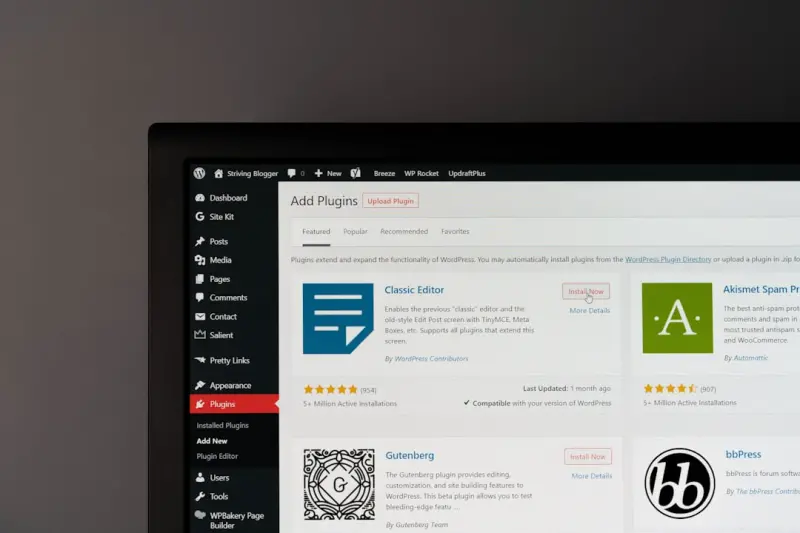
Why Managed WordPress Hosting Has Become My Go‑To Choice
When I first migrated a high‑traffic blog from a generic shared server, the difference was palpable: pages loaded in a blink, and the dreaded “white screen of death” became a rarity. Managed WordPress Hosting promised a curated environment where the platform’s quirks were pre‑tuned, allowing me to focus on content rather than server minutiae, and that promise delivered. The service layers—automatic core updates, built‑in caching, and specialist support—removed the mental load of routine maintenance, freeing mental bandwidth for creative brainstorming. In my world, where ideas flow faster than server logs, this shift felt like moving from a clunky typewriter to a sleek, responsive laptop.
Speed and Performance: The Backbone of Reader Retention
Speed isn’t just a vanity metric; it directly influences bounce rates, SEO rankings, and the overall user experience, especially for WordPress sites that rely heavily on plugins and media. Managed hosts typically deploy server‑level caching, edge CDNs, and PHP‑7+ runtimes, turning a 3‑second load time into sub‑second performance without any manual configuration on my part. The result is a site that feels instant, keeping readers engaged long enough to explore deeper content layers. By leveraging these performance optimizations, I’ve observed a consistent lift in page‑views per session, reinforcing the business case for investing in a platform that treats speed as a core feature.
Security by Design: Peace of Mind in a Threat‑Rich Landscape
WordPress’s popularity makes it a magnet for bots, malware, and brute‑force attacks, so a security‑first mindset is non‑negotiable for any serious publisher. Managed providers handle core and plugin updates the moment patches are released, sandboxing potential vulnerabilities before they surface on the live site. Additionally, daily backups, malware scanning, and firewalls are baked into the service, creating a multi‑layered defense that I would have struggled to assemble on a shared host. This proactive posture means I can sleep soundly, knowing that my site’s integrity is guarded by experts who understand the WordPress ecosystem intimately.
Developer‑Friendly Tooling: From Staging to Git Integration
One of the hidden gems of a managed environment is the suite of developer tools that streamline the workflow from idea to production. Instant staging sites let me test new themes, plugins, or custom code without jeopardizing the live environment, and many hosts offer one‑click push/pull between staging and production. Integrated SSH access and Git deployment pipelines mean I can version‑control my theme and plugin code just like any modern application, reducing the friction of manual FTP uploads. This alignment with contemporary development practices lets my team iterate faster, experiment safely, and maintain a clean codebase that scales alongside our content strategy.
Cost vs. Value: How Managed Beats Shared and VPS Options
At first glance, the price tag of managed WordPress hosting can seem steep compared to rock‑bottom shared plans, but the total cost of ownership tells a different story. Shared hosting often forces you to juggle resource limits, manual updates, and unreliable support, leading to hidden expenses in downtime and lost traffic. On the other hand, a VPS gives you raw power but demands deep sysadmin expertise to secure and optimize the server—a skill set that most content creators simply don’t have. Managed solutions bundle performance, security, and support into a predictable monthly fee, turning what would be a patchwork of costs into a single, transparent investment that pays for itself through higher engagement and reduced risk.
Scalability for Traffic Surges: From Blog Posts to Viral Moments
In the age of social sharing, a single post can explode overnight, overwhelming a modest server and turning a moment of fame into a crash‑landing scenario. Managed WordPress hosts anticipate these spikes by offering auto‑scaling resources, load‑balanced clusters, and burstable CPU allocations that expand on demand. This elasticity ensures that even a sudden influx of thousands of concurrent visitors won’t degrade the experience or trigger costly downtime. By provisioning the ability to handle viral traffic without manual intervention, the platform acts as a safety net, allowing me to capitalize on momentum rather than scramble to upgrade infrastructure after the fact.
Specialized Support: WordPress Experts at Your Fingertips
When a plugin conflicts with a theme or a custom function throws an error, generic hosting support can leave you hanging, offering vague advice that rarely resolves the issue. Managed WordPress providers staff engineers who live and breathe the platform, delivering targeted, actionable guidance that cuts troubleshooting time dramatically. Whether it’s a database optimization query, a PHP memory limit tweak, or a nuanced rewrite rule, the support team speaks the same language I use in my development environment. This level of expertise translates into faster issue resolution, less frustration, and a smoother path to publishing new content without technical bottlenecks.
Modern Development Integration: Embracing Headless and API‑First Workflows
As the web evolves, many creators are experimenting with headless WordPress, decoupling the front‑end from the CMS and feeding content via REST or GraphQL APIs. Managed hosts have risen to the occasion, offering optimized API endpoints, server‑side rendering capabilities, and compatibility with Jamstack tools. By aligning with modern web development trends, I can build lightning‑fast, interactive experiences while still leveraging WordPress’s intuitive editorial interface. This hybrid approach unlocks new creative possibilities, from immersive storytelling to personalized content delivery, without sacrificing the reliability of a managed environment.
Environmental Responsibility: Green Hosting as a Competitive Edge
Beyond performance and security, many managed providers are committing to sustainability through carbon‑neutral data centers, renewable energy sourcing, and efficient hardware utilization. Choosing a green host aligns my brand with eco‑conscious values that resonate with an increasingly environmentally aware audience. It also reduces the indirect carbon footprint of each page view, a subtle yet meaningful contribution to a healthier planet. When readers learn that the site they love runs on clean energy, it adds an extra layer of trust and goodwill, reinforcing the relationship between creator and community.
Future Outlook: Why Managed WordPress Hosting Remains a Strategic Imperative
Looking ahead, the pace of WordPress innovation shows no signs of slowing, with Gutenberg blocks, AI‑driven content suggestions, and ever‑richer plugin ecosystems on the horizon. A managed host that continuously updates its stack, invests in cutting‑edge security, and scales resources automatically becomes a strategic partner rather than a mere service provider. For creators who want to stay ahead of the curve, the combination of performance, security, developer tooling, and sustainable practices makes Managed WordPress Hosting the logical foundation for long‑term growth. If you haven’t yet migrated, now is the moment to evaluate the tangible benefits and let a specialized platform power your next big idea.

Brad Hays is a freelance writer known for his versatile skill set and ability to craft compelling content across a wide range of industries.
Related Posts
Managed WordPress Hosting: The Headless Catalyst for B2B SaaS Growth
Managed WordPress hosting provides the edge‑first performance, security, and operational simplicit... Read More
Managed WordPress Hosting: The Unsung Engine Behind B2B SaaS Growth
Managed WordPress Hosting offers enterprise‑grade performance, security, and developer workflows t... Read More

Managed WordPress Hosting: The Secret Sauce for Seamless Growth
Managed WordPress hosting unlocks speed, security, and scalability, letting you focus on content and... Read More
Top Posts

UI/UX Design Services That Improve Trust Through Better User Experiences
Trust is established in the digital-first business environment way before a customer interacts with a sales representative or makes a purchase. It starts the se...Read More

The Untapped Power of Local Elections in Shaping National Policy
Local elections aren’t just small‑scale contests; they’re the hidden drivers of national policy. Learn how digital grassroots, data privacy, and community...Read More
Beyond the Boilerplate: Unleashing AI-Powered WordPress Plugins for Smarter Sites
AI-powered WordPress plugins are redefining site management by automating content creation, enhancing SEO, personalizing experiences, and ensuring accessibility...Read More

Why Analog Tools Are Still the Secret Weapon for Modern Creators
In a world dominated by screens, the humble sketchbook, whiteboard, and pen remain powerful allies for creators seeking clarity, momentum, and deeper ideas....Read More
0 Comments
Post Comment
You will need to Login or Register to comment on this post!