

Why Managed WordPress Hosting Is the Game‑Changer You’ve Been Waiting For
When I first migrated a client’s site to a managed WordPress platform, I felt a mix of excitement and trepidation. The promise of lightning‑fast load times, automatic backups, and hands‑off security sounded like a dream, but the reality was an even richer tapestry of performance gains and peace of mind. Managed WordPress hosting strips away the mundane chores of server maintenance, letting you focus on content, strategy, and growth. In my experience, the biggest win isn’t just the speed boost—though that’s a crucial factor for SEO and user experience—but the reliability that comes from a team of WordPress‑savvy engineers monitoring your site 24/7. This level of support means you’re never left scrambling when a plugin update goes awry or a sudden traffic spike threatens to overwhelm your resources.
The Speed‑SEO Connection You Can’t Ignore
Speed isn’t just a vanity metric; it’s a ranking signal that Google treats like a core pillar of quality. In fact, I often reference the article Why Speed Is the Secret Weapon in Modern SEO when convincing skeptical clients that a sub‑second TTFB (Time To First Byte) can shave precious seconds off page load, directly influencing bounce rates and conversion funnels. Managed WordPress hosts typically employ server‑level caching, CDN integration, and optimized PHP stacks out of the box, giving you a head start without the need for extensive tinkering. When your pages load swiftly, users stay longer, search engines crawl deeper, and your content gets the exposure it deserves. The bottom line is simple: a faster site translates to higher rankings, more organic traffic, and ultimately, a healthier bottom line.
Built‑In Security That Lets You Sleep
Security breaches are a nightmare for any site owner, especially those handling customer data or e‑commerce transactions. Managed WordPress providers embed firewalls, malware scanning, and automated patching into their core services. This means you’re protected against the latest vulnerabilities without needing a full‑time DevOps team. I recall a client who suffered a brute‑force attack; within minutes, their host locked down the IP range and restored a clean backup, all without any manual intervention. This level of proactive defense not only saves you from costly downtime but also preserves your brand’s reputation. By delegating security to experts, you can devote your energy to crafting compelling content and nurturing your community.
Scalable Resources for Growing Businesses
One of the most frustrating moments for a growing blog or e‑commerce site is hitting resource limits just as traffic peaks. Managed WordPress hosts anticipate this by offering seamless scalability—whether you need to add more CPU cores, RAM, or bandwidth, the upgrade process is often a few clicks away. I’ve watched sites transition from a handful of daily visitors to tens of thousands during product launches without a single hiccup, thanks to auto‑scaling features. This elasticity ensures your site remains responsive during high‑traffic events like sales, webinars, or viral content spikes, preserving the user experience that you’ve painstakingly cultivated.
Expert Support That Speaks WordPress
Technical support can make or break the hosting experience. Generic server support teams often lack the nuance required to troubleshoot WordPress‑specific issues, leading to frustrating ticket loops. In contrast, managed WordPress providers employ specialists who understand the ecosystem—plugins, themes, and the core itself. I’ve benefited from live chat sessions where the support engineer identified a conflicting plugin within minutes, saving hours of downtime. This depth of expertise means you get solutions that are both fast and accurate, allowing you to maintain momentum on your projects without getting bogged down in technical roadblocks.
Cost Efficiency Over Time
At first glance, managed WordPress hosting may appear pricier than shared or DIY VPS solutions. However, when you factor in the value of time saved on maintenance, the reduction in downtime, and the avoidance of costly security breaches, the ROI becomes clear. Think of it as an investment in operational efficiency. I often compare this to the insights shared in The Untapped Power of Blogging, where the author emphasizes leveraging tools that amplify productivity. By outsourcing server management, you redirect resources toward content creation, marketing, and revenue‑generating activities, ultimately delivering a higher profit margin.
Integrations and Developer Freedom
Managed WordPress platforms aren’t restrictive; they actually empower developers with curated environments optimized for performance. Most hosts grant SSH access, staging environments, and Git deployment pipelines, enabling you to follow modern development workflows. I’ve set up continuous integration pipelines that push code to a staging site for automated testing before a one‑click promotion to production. This blend of convenience and control ensures that you can innovate without sacrificing stability. Moreover, many providers support popular page builders and custom themes, giving you the flexibility to craft unique experiences while still benefiting from the host’s performance optimizations.
Future‑Proofing Your Digital Presence
The web is evolving rapidly—think of the rise of headless WordPress, Web3 integrations, and AI‑driven content personalization. Managed WordPress hosts stay ahead of these trends by regularly updating their infrastructure to support emerging technologies. By partnering with a forward‑thinking provider, you position your site to adopt new features with minimal friction. I recently helped a client transition to a headless setup using a managed host’s built‑in GraphQL endpoint, unlocking faster front‑end rendering while retaining WordPress’s robust CMS capabilities. This adaptability ensures your online presence remains competitive, no matter how the digital landscape shifts.
Choosing the Right Managed Host: A Checklist
With a flood of options on the market, selecting the ideal managed WordPress host can feel overwhelming. Here’s a quick checklist to guide your decision:
- Performance metrics: Look for built‑in CDN, caching layers, and server locations close to your audience.
- Security features: Automatic backups, malware scanning, and SSL provisioning should be standard.
- Support quality: 24/7 live chat or phone support staffed by WordPress experts.
- Scalability: Ability to upgrade resources without downtime.
- Developer tools: SSH, staging, Git integration, and CLI access.
By evaluating hosts against these criteria, you can find a partner that aligns with your goals and budget, ensuring a smooth, sustainable journey for your WordPress site.

Dale Peterson is a freelance writer with a passion for technology, travel, law and personal finance. With 10 years of experience crafting compelling and informative content, he's dedicated to delivering high-quality writing for Blogging Fusion that engages audiences and achieves specific goals.
Related Posts
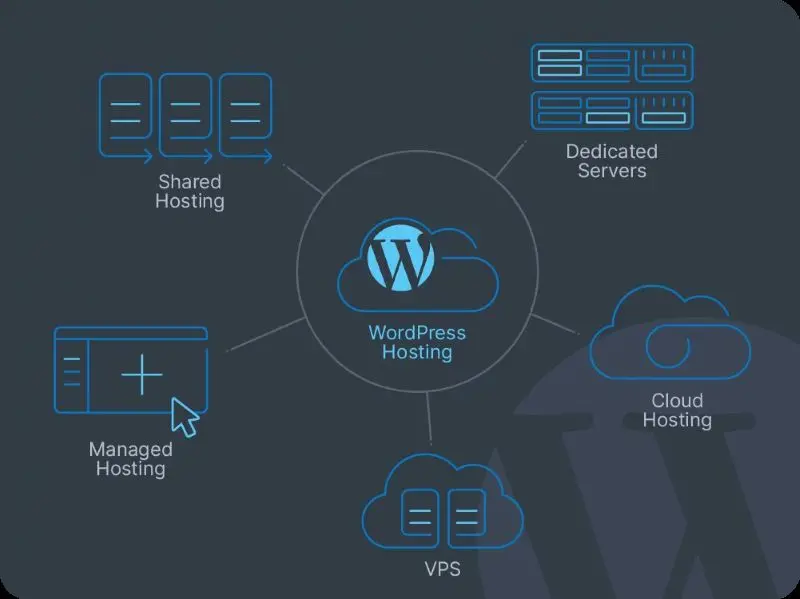
The Quiet Power of Managed WordPress Hosting for Modern Creators
Explore why managed WordPress hosting is the invisible engine behind faster sites, stronger security... Read More
Managed WordPress Hosting: The Headless Catalyst for B2B SaaS Growth
Managed WordPress hosting provides the edge‑first performance, security, and operational simplicit... Read More
The Strategic Edge of Managed WordPress Hosting for B2B Growth
Managed WordPress hosting delivers built‑in speed, robust security, and effortless scalability, gi... Read More
Top Posts

Keeping Kids Safe in a Digital World: A Parent's Guide
As a parent, keeping your kids safe in a digital world can be overwhelming. Learn how to protect them from online harassment, cyberbullying, and digital addicti...Read More

How to Connect Bluetooth Headphones to a Windows PC
In the modern digital landscape, seamless audio integration is no longer a luxury but a necessity. Whether you’re immersed in a critical videoconference, seek...Read More

Email as a Narrative Engine: Turning Inboxes into Storytelling Powerhouses
Learn to reframe email marketing as a story-driven experience, using identity‑centric segmentation, dynamic feedback loops, and community‑focused content to...Read More

How You Can Use Technology to Your Advantage in Business
In an era defined by rapid digital transformation, technology is no longer an optional add-on for businesses; it is the very bedrock of success, innovation, and...Read More
0 Comments
Post Comment
You will need to Login or Register to comment on this post!