

Understanding the Power of Intentional Zones
When you step back and look at a room, you’ll notice that every wall, corner, and piece of furniture silently dictates how you move and feel; turning those silent directives into purposeful zones can dramatically lift daily comfort. By mapping out where you eat, work, relax, and store, you give each activity a dedicated footprint, which reduces visual clutter and mental fatigue without needing a costly remodel. Intentional zones also let you experiment with color, texture, or lighting in one area while leaving the rest of the space untouched, creating a dynamic environment that evolves with your lifestyle.
Designing Flexible Spaces with Simple Materials
Flexibility doesn’t require high‑end modular systems; a few well‑chosen pieces of plywood, paint, and sturdy brackets can become the backbone of a room that shifts from office to workout studio in minutes. The trick is to treat walls as canvases for removable panels that snap into place, letting you swap out a chalkboard for a gallery wall or a fold‑away desk for a yoga mat with minimal effort. For inspiration on how to choose tools that make these swaps painless, check out Reimagining the Toolbox, which highlights affordable hardware that even beginners can master.
Integrating Natural Light without Major Renovations
Sunlight is the most economical, mood‑lifting upgrade you can add, and you don’t need to tear down walls to harness it; strategically placed mirrors, light‑reflective paints, and low‑profile skylight kits can amplify existing windows by up to 300 percent. Position reflective surfaces opposite the primary window to bounce light across the room, while a light‑colored accent wall opposite the source acts like a secondary diffuser, softening harsh glare. By pairing these tactics with sheer curtains that filter UV rays, you’ll notice a noticeable boost in energy levels and a reduction in reliance on artificial bulbs.
Smart Storage Solutions That Grow With You
One of the biggest frustrations in home improvement is buying storage that quickly becomes obsolete as families expand or interests change; the answer lies in modular units that can be re‑configured, stacked, or repurposed over time. Think of a system of stackable crates with built‑in handles that can start as a bedside drawer, evolve into a pantry organizer, and later become a garage tool rack—all while maintaining a cohesive aesthetic. For a deeper dive into how contemporary upgrades can simplify daily routines, see The Quiet Revolution of Smart Kitchen Appliances, which showcases technology that blends seamlessly into everyday storage needs.
Acoustic Comfort: Turning Noise Into Calm
Hard surfaces reflect sound, turning an open‑plan living area into an echo chamber that can stress even the most relaxed homeowner; introducing soft, absorptive elements is a low‑cost way to reclaim quiet. Thick area rugs, upholstered panels, and even decorative fabric wall hangings can reduce reverberation by up to 40 percent, creating a room that feels intimate without sacrificing openness. Layering these elements with plants adds a visual soothing quality while also improving air quality, making the space feel both healthier and more serene.
Low‑Cost Flooring Hacks That Transform Rooms
Flooring often sets the tone for a room, yet replacing it can be financially daunting; clever alternatives like peel‑and‑stick vinyl tiles or reclaimed wood planks provide high‑impact aesthetics at a fraction of the price. Choose a pattern that mimics larger, premium materials—such as a herringbone layout printed on vinyl—to add visual interest without the labor of traditional installation. By sealing these surfaces with a water‑based polyurethane, you protect them against spills and wear, extending the life of your budget‑friendly makeover.
Eco‑Friendly Finishes You Can Apply in a Weekend
Eco‑conscious homeowners now have a menu of finishes that are both sustainable and stylish, ranging from low‑VOC paints to natural lime washes that breathe through walls while adding subtle texture. Applying a thin coat of chalk paint mixed with reclaimed sand creates a matte, tactile surface perfect for distressed furniture or accent walls, and the process can be completed in a single weekend. Pair these finishes with reclaimed hardware—such as brass knobs salvaged from vintage cabinets—to complete a look that feels intentional and earth‑friendly.
Connecting Outdoor and Indoor Living Seamlessly
Bridging the gap between interior comfort and outdoor freedom doesn’t require a full patio overhaul; a series of large sliding panels or folding doors can open a living room to a garden, inviting fresh air and natural scenery inside. When choosing door systems, prioritize low‑profile frames and insulated glass to maintain energy efficiency while maximizing the visual flow. Complement the transition with a few potted herbs or a vertical garden that can be tended from inside, turning the boundary into an interactive, living feature.
Maintaining Momentum: A DIY Checklist for Long‑Term Success
Even the most exciting home improvement project can lose steam without a clear plan, so create a simple checklist that breaks each upgrade into weekly, manageable tasks, ensuring steady progress without overwhelm. Start with a “Vision Board” that captures color palettes, material samples, and inspiration photos, then assign a budget line item to each phase, tracking expenses in a shared spreadsheet. Finally, schedule quarterly “Refresh Days” where you evaluate the impact of completed changes, make minor tweaks, and set new goals, keeping the home evolving in step with your life.

In the world of freelance writing, where creativity and adaptability are paramount, Michelle Fisher stands out as a dedicated and versatile professional. With a passion for crafting compelling narratives and a keen eye for detail, Michelle has established herself as a trusted voice.
Related Posts
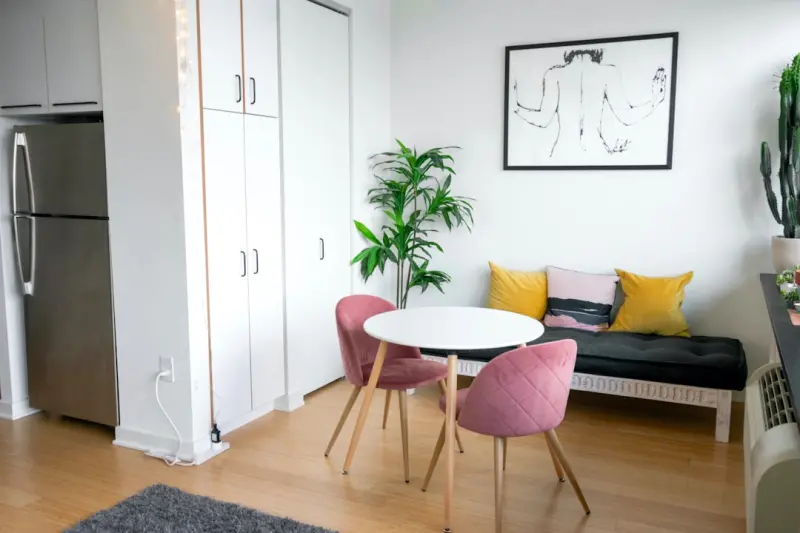
Reimagining Small‑Space Living: Smart Upgrades for Modern Homes
A personal guide to turning cramped quarters into a functional, stylish sanctuary using smart tech, ... Read More
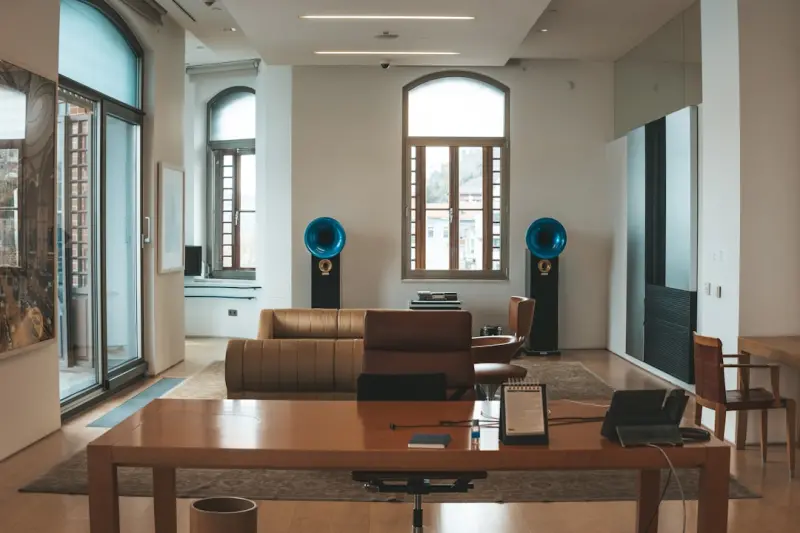
Quiet Power: Transforming Your Home with Acoustic‑Smart Improvements
A deep dive into acoustic‑focused home improvements, blending sustainable materials and smart tech... Read More

Reviving Your Home: Small-Scale Upgrades That Pack a Big Punch
Karen shares practical, low‑cost upgrades—from layered lighting to peel‑and‑stick flooringâ€... Read More
Top Posts

Beyond the Clouds: Crafting a Sustainable, Multi‑Region Hosting Strategy
A practical guide to moving beyond single‑vendor cloud setups, focusing on sustainability, latency, cost governance, security, and developer experience in a m...Read More

The Hidden Power of Sensory Design in Modern Spaces
Discover the emerging field of sensory design, where lighting, sound, scent, and tactile materials work together to create interiors that nurture well‑being, ...Read More

Why a Virtual Private Server Is the Unsung Hero of Modern SaaS Ops
A Virtual Private Server offers predictable pricing, deep customization, and consistent performance—making it the perfect hybrid solution for SaaS teams seeki...Read More

The Definitive Guide to Pediatric Head Concussions in Youth Outdoor Sports
The participation of children in outdoor sports provides invaluable benefits, fostering physical fitness, teamwork, and discipline. However, the inherent physic...Read More
0 Comments
Post Comment
You will need to Login or Register to comment on this post!