
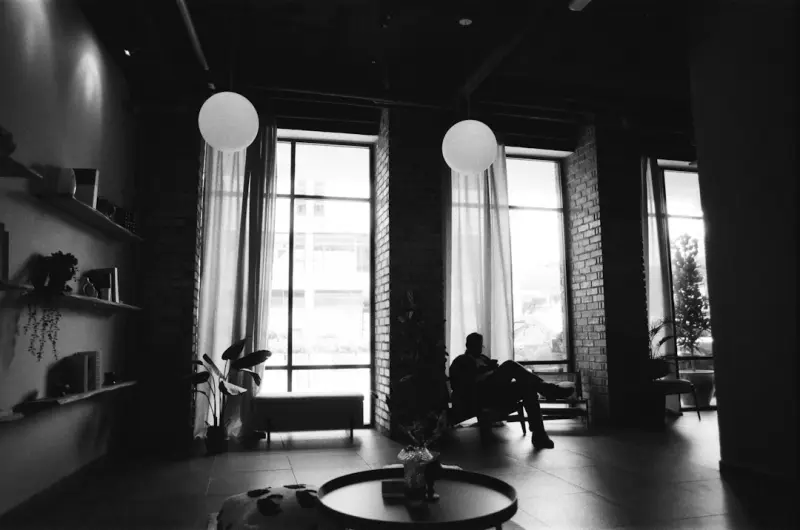
When I first stepped into a showroom that celebrated texture over trend, I felt something click - a reminder that interior design isn’t just about looking good, it’s about feeling good. Over the past few years I’ve watched the market pivot from sleek, picture-perfect rooms to spaces that invite the senses to linger. In this post I’ll explore how designers and homeowners alike are embracing tactile richness, layered materials, and intentional touchpoints to create interiors that nourish the body as well as the eye.
Why Touch Matters More Than You Think
Most design guides start with color theory, layout, and lighting. While those elements are essential, they often ignore the third dimension of experience: touch. Research in environmental psychology shows that tactile interaction can reduce stress, improve mood, and even boost creativity. When you run your hand along a reclaimed wood beam or sink into a plush, hand-woven rug, you’re not just admiring a decorative piece - you’re engaging a primal part of the brain that craves texture.
In the era of remote work and home-centric lifestyles, the need for multisensory environments has exploded. A desk that looks immaculate but feels sterile can sap energy after a few hours. Conversely, a space that invites you to touch, feel, and explore can sustain focus and encourage moments of mindful pause.
Key Textural Trends Shaping Modern Interiors
Below are the textures that are quietly redefining the way we design living spaces. Each offers a distinct mood and can be layered for depth.
- Raw Natural Fibers: Think jute, linen, and hemp. Their imperfect weaves add an organic rhythm that feels warm and grounded.
- Reclaimed Wood: From barn beams to pallet flooring, aged wood brings history and a subtle scent of nostalgia.
- Terrazzo Reimagined: Modern terrazzo mixes marble chips with recycled glass, creating a speckled surface that’s both cool to the touch and visually captivating.
- Velvet and Bouclé: Soft, plush fabrics invite lounging and add a touch of luxury without overwhelming the room.
- Metallic Accents with Matte Finishes: Brushed brass, oil-rubbed bronze, and matte copper provide a tactile contrast to softer elements.
- Organic Stone: Honed marble or slate surfaces, when left slightly raw, offer a cool, grounding feel underfoot.
How to Curate a Touch-Centric Space Without Overwhelm
Integrating texture doesn’t mean you have to fill every corner with heavy fabrics or reclaimed timber. A thoughtful approach balances visual simplicity with tactile richness.
- Start with a Base Layer: Choose one primary material for large surfaces - a linen sofa, a stone countertop, or a wooden floor. This becomes the canvas for additional textures.
- Add a Secondary Accent: Introduce a contrasting texture on a smaller scale - a velvet throw, a woven basket, or a brass lamp base. This creates visual intrigue without clutter.
- Incorporate Micro-Textures: Items like textured wallpaper, embossed cushions, or hand-carved wooden knobs add subtle depth that can be discovered over time.
- Play with Temperature: Combine warm materials (like wood) with cool ones (like stone) to create a dynamic sensory dialogue.
- Mind the Scale: Large, chunky textures can dominate a room, while fine, delicate patterns are better suited for accent pieces.
Case Study: Transforming a Home Office with Sensory Layers
One of my recent projects involved a client who spent over 50 hours a week in a home office. The space originally featured a glass desk, a high-gloss white wall, and a sleek ergonomic chair. While the look was modern, the feel was sterile.
We introduced the following changes:
- Flooring: Replaced the laminate with wide-plank reclaimed pine, leaving a matte finish that felt warm under bare feet.
- Desk Surface: Added a thin, hand-stained bamboo mat on top of the glass, providing a natural counterpoint.
- Seating: Swapped the chair for a mid-century inspired armchair upholstered in deep teal velvet, encouraging relaxed posture during brainstorming.
- Wall Treatment: Applied a subtle, textured wallpaper in a muted taupe - a pattern that could be felt by running a fingertip across it.
- Accessories: Placed a woven jute basket for supplies and a brushed copper desk lamp for tactile contrast.
After three months, the client reported a noticeable boost in focus and a reduction in daily fatigue. The office had become a place they looked forward to entering, not just a functional workstation.
Bridging Digital and Physical: The Role of digital minimalism in Interior Design
In today’s hyper-connected world, screens dominate our visual field. Designing interiors that counterbalance digital overload can be as simple as creating zones where the eyes and hands can rest. This is where the principles of digital minimalism intersect with tactile design.
Consider the following strategies:
- Screen-Free Corners: Dedicate a reading nook with a plush rug, a low bookshelf, and a soft throw. The absence of a device invites you to engage with the material world.
- Analog Tools: Replace a digital notepad with a high-quality sketchbook and pen set, placed on a textured desk pad.
- Material-Based Lighting: Use lamps with fabric shades that diffuse light gently, reducing the harsh glare often associated with LED panels.
These approaches create a harmonious balance between the digital and the tangible, allowing occupants to switch seamlessly between screens and surfaces.
Eco-Conscious Texture: Choosing Sustainable Materials
While the focus here is on touch, sustainability is a natural companion. Many tactile materials now come from reclaimed or responsibly sourced origins. For instance, reclaimed wood not only adds character but also reduces demand for fresh lumber. Similarly, recycled glass terrazzo diverts waste from landfills while offering a unique tactile surface.
When selecting materials, ask these questions:
- Is the source certified sustainable?
- Can the material be recycled or repurposed at the end of its life?
- Does the manufacturing process minimize chemical use and energy consumption?
Choosing responsibly sourced textures ensures that your design feels good in more ways than one.
Lighting That Enhances Texture
Lighting doesn’t just illuminate; it reveals. Directional lighting can accentuate the grain of wood, the weave of fabric, or the speckled nature of terrazzo. Here are three lighting tips to make texture pop:
- Side Lighting: Position sconces or floor lamps to cast shadows across textured walls, emphasizing depth.
- Warm Light Temperature: Use bulbs in the 2700-3000K range to bring out the warm undertones in natural fibers and wood.
- Dimmer Controls: Allow occupants to adjust intensity, creating environments that shift from bright and energetic to soft and contemplative.
Integrating Personal Storytelling Through Texture
Every piece of material can tell a story. A hand-woven rug from a local artisan, a reclaimed barn door salvaged from a family farm, or a set of ceramic tiles handcrafted by a community studio all add layers of narrative to a space. These stories invite conversation, foster connection, and deepen the emotional resonance of a room.
If you’re curious about weaving personal stories into your décor, check out this guide on curating a personal home gallery. While it focuses on visual curation, the underlying principle-infusing objects with meaning-applies directly to tactile choices as well.
Practical Tips for the DIY Enthusiast
Not everyone has a design team at their fingertips, but you can still introduce tactile richness on a budget.
- Swap Out Soft Furnishings: Replace a plain throw pillow with a textured one made of bouclé or corduroy.
- DIY Wall Panels: Attach reclaimed wood slats to a feature wall using simple brackets.
- Layer Rugs: Place a small, patterned rug atop a larger neutral rug for added depth.
- Mix Materials in Storage: Use woven baskets, metal crates, and wooden boxes together for a tactile collage.
- Upgrade Hardware: Switch out smooth cabinet knobs for hand-carved or hammered metal options.
Future Outlook: The Rise of Sensory-Rich Design
As technology continues to embed itself in our daily lives, the counterbalance of tactile experiences will become a defining hallmark of great interior design. Designers are already experimenting with responsive surfaces-materials that change texture under heat or pressure-blurring the line between static and interactive environments.
In the next few years, expect to see:
- More “touch-first” furniture lines, where comfort and texture are primary selling points.
- Integration of natural materials with smart technology, such as wood that can charge devices via embedded inductive pads.
- Greater emphasis on multi-sensory storytelling, where each texture contributes to a broader narrative about the homeowner’s values and lifestyle.
By embracing texture now, you’re positioning your space at the forefront of this movement, ensuring that it remains both aesthetically relevant and deeply satisfying for years to come.

Karen Edwards is a seasoned freelance writer with a passion for all things furry, feathered, and scaled. With a dedicated focus on pets, she brings a wealth of knowledge and a keen eye for detail to her writing.
Related Posts
The Profound Benefits of Light Therapy Lamps
In an increasingly indoor-centric world, where natural sunlight exposure is often limited by modern ... Read More
Nature-Infused Home Offices: Boosting Well-Being with Biophilic Design
A practical guide to integrating plants, natural materials, and organic light into your home office,... Read More
Designing for the Senses: A New Frontier in Interior Spaces
A deep dive into sensory-driven interior design, revealing how sight, sound, touch, smell, and taste... Read More
Top Posts

Why Curated Subscription Boxes Are the Future of Smart Shopping
Subscription boxes are reshaping retail by offering personalized, sustainable, and tech-enhanced experiences that cut through decision fatigue and build lasting...Read More

The Golden Rules of Onsite SEO
In the vast, ever-evolving digital landscape, getting your website seen by the right audience can feel like an insurmountable challenge. While off-page factors ...Read More

ChatGPT as Your Everyday Creative Partner
Explore how ChatGPT transforms daily work-from idea generation and code snippets to mindful planning-while staying ethical and privacy-smart....Read More
The Sprint Mindset: Redefining Modern Branding for Speed and Impact
Learn how applying a sprint mindset to branding can boost speed, relevance, and community engagement, turning your brand into a dynamic, data-driven powerhouse....Read More
0 Comments
Post Comment
You will need to Login or Register to comment on this post!