
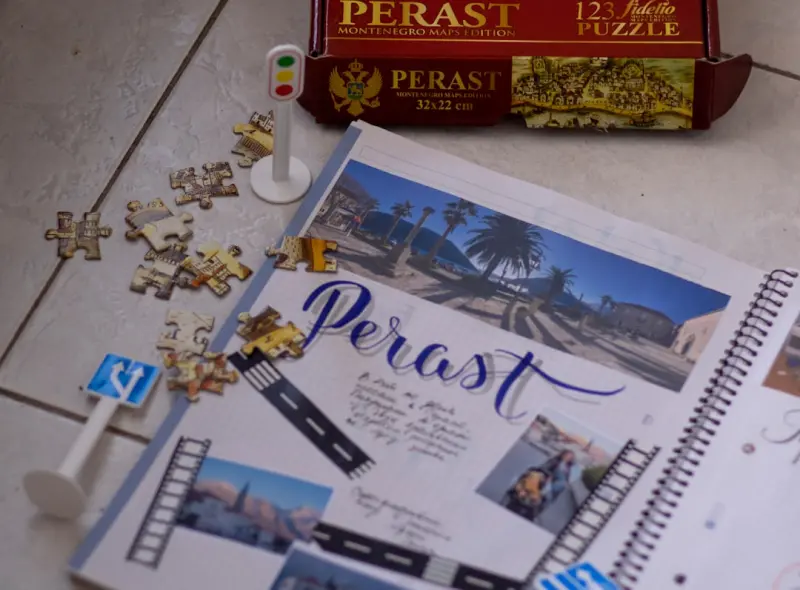
The Rise of Purposeful Wanderlust: Crafting Journeys That Matter
When I first packed a suitcase for a spontaneous weekend in a coastal village, I was chasing sunsets, not stories. Yet, as the sea breeze whispered through the narrow alleys, I realized that travel has quietly morphed from a hobby into a platform for personal impact. Today, the modern explorer—myself included—is looking beyond Instagram‑ready vistas. We’re hunting experiences that leave footprints on our hearts and on the places we visit.
In this post, I’ll share how I re‑engineer my itineraries, the tools I swear by, and the mindset shifts that turn a simple trip into a purposeful adventure. Whether you’re a digital nomad, a corporate traveler, or a weekend‑warrior, these insights will help you design journeys that align with your values, support local economies, and still satisfy that itch for discovery.
1. Redefining the Travel Checklist: From “Must‑See” to “Must‑Do Good”
Traditional travel checklists read like a bingo card: Eiffel Tower, Grand Canyon, sushi in Tokyo. I’ve swapped that for a “good‑impact” checklist:
- Community Connection: Book a stay with a local family or a community‑run hostel.
- Eco‑Friendly Transit: Opt for trains, bike rentals, or electric scooters whenever possible.
- Cultural Exchange: Attend a workshop led by local artisans instead of a generic tour.
- Support Local Enterprises: Dine at family‑owned eateries and purchase souvenirs directly from makers.
This shift forces you to ask: What can I give back? rather than What can I take in? The answer often leads to richer, more authentic experiences.
2. Leveraging Tech for Sustainable Exploration
Technology isn’t just for business; it’s a catalyst for responsible travel. I’ve discovered a few digital tools that help keep my wanderlust aligned with sustainability goals.
One favorite is a platform that treats mobile apps as strategic growth engines for local businesses. By using the app, I can discover hidden gems—like a pop‑up pottery studio in Oaxaca—that would otherwise stay off the radar. The app also tracks carbon footprints for each leg of the journey, nudging me toward greener choices.
Another gem is a community‑driven itinerary builder that crowdsources recommendations from residents. It’s like having a hometown friend in every city, ensuring you bypass tourist traps and funnel your spending where it truly matters.
3. The Power of Slow‑Travel Hubs
There’s a growing movement toward “slow‑travel hubs”—small towns that have deliberately cultivated infrastructure for mindful visitors. Think of places that have transformed former warehouses into co‑working spaces, host weekly farm‑to‑table markets, and offer guided nature walks led by local ecologists.
These hubs are not just scenic; they’re ecosystems designed to benefit both traveler and resident. By extending your stay from a rushed two‑day sprint to a week‑long immersion, you give local economies the time they need to thrive on your patronage. Plus, you get to learn the language of the place—literally and figuratively.
4. Storytelling as a Service: Sharing What You Learn
Back when I was a content strategist, I learned that stories are the most powerful way to spark change. The same principle applies to travel. After a meaningful trip, I take the time to write a reflective piece, record a short video, or host a live Q&A. I make sure to spotlight the people I met, the challenges they face, and the solutions they’re pioneering.
This practice does three things:
- Amplifies Local Voices: Your platform becomes a megaphone for small businesses.
- Inspires Others: Readers who see tangible impact are more likely to travel responsibly.
- Creates a Personal Archive: You build a library of meaningful experiences that guide future trips.
5. Ethical Souvenirs: When Giving Is Better Than Receiving
Remember the last time you bought a mass‑produced trinket at a market? Chances are it was cheap, made elsewhere, and added little value to the local economy. Instead, I now look for “ethical souvenirs”—hand‑crafted items that support artisans directly.
Here’s my quick vetting process:
- Ask the maker where the raw materials come from.
- Check if the product is made locally, not imported.
- Prefer items that have a story or cultural significance.
These souvenirs become conversation starters back home, turning your living room into a mini‑exhibit of cultural exchange.
6. Mindful Packing: Minimalism Meets Purpose
While “ultra‑light backpacking” has its fans, my approach is slightly different. I pack light not for the thrill of speed but to reduce waste and stay agile. A compact, reusable water bottle, a set of collapsible containers for leftovers, and a few multipurpose clothing pieces keep my luggage minimal yet functional.
This strategy reduces the environmental impact of luggage production and makes it easier to donate or recycle any excess items before you leave. Plus, it forces you to be intentional about what you truly need on the road.
7. Measuring Impact: The Personal KPI Dashboard
As a data‑driven professional, I love numbers. I’ve built a simple KPI dashboard to track the impact of my trips:
- Carbon Offset Units: Calculated from transportation and accommodation.
- Local Spend Ratio: Percentage of total budget spent at locally owned businesses.
- Volunteer Hours: Time contributed to community projects.
- Story Reach: Views and engagements on post‑trip content that highlight local partners.
Reviewing these metrics after each journey helps me iterate and set higher goals for the next adventure.
8. Embracing the Unexpected: When Plans Go Awry
Even the best‑planned trips encounter hiccups—a missed train, a sudden rainstorm, a closed attraction. Rather than seeing these as setbacks, I treat them as opportunities for authentic engagement.
During a recent monsoon in Kerala, my itinerary was washed out. Instead of retreating to the hotel, I joined a local family in preparing a traditional feast. The result? A night of laughter, stories, and a deeper connection to the culture than any guided tour could offer.
9. The Future of Travel: Community‑Powered Platforms
Looking ahead, I’m excited about the rise of community‑powered travel platforms that prioritize equitable tourism. These platforms operate on a model similar to how Zero‑Click SERPs are redefining B2B content strategy—they streamline discovery, reduce friction, and put power back into the hands of creators (in this case, local hosts).
By supporting these ecosystems, travelers become part of a virtuous cycle: more visibility for locals, better experiences for visitors, and a healthier, more sustainable tourism industry.
10. Your Next Step: Craft a Purposeful Itinerary
Ready to transform your travel habits? Start small:
- Pick one upcoming trip.
- Research a community‑run accommodation or experience.
- Set at least one impact KPI.
- Document and share your journey with an emphasis on the people you meet.
Before you know it, your wanderlust will be powered by purpose, and your footprints will leave a positive imprint wherever you roam.
Travel isn’t just about the places you see; it’s about the relationships you build, the stories you carry, and the change you inspire. Let’s make every journey count.

Karen Edwards is a seasoned freelance writer with a passion for all things furry, feathered, and scaled. With a dedicated focus on pets, she brings a wealth of knowledge and a keen eye for detail to her writing.
Related Posts

Regenerative Tourism: How Travelers Can Fuel Local Revitalization
Discover a fresh travel philosophy that goes beyond sightseeing. Learn how intentional spending, han... Read More

Embracing the Digital Nomad Lifestyle: How Technology is Changing the Way We Travel
The digital nomad lifestyle is changing the way we travel and work. With technology, you can stay co... Read More
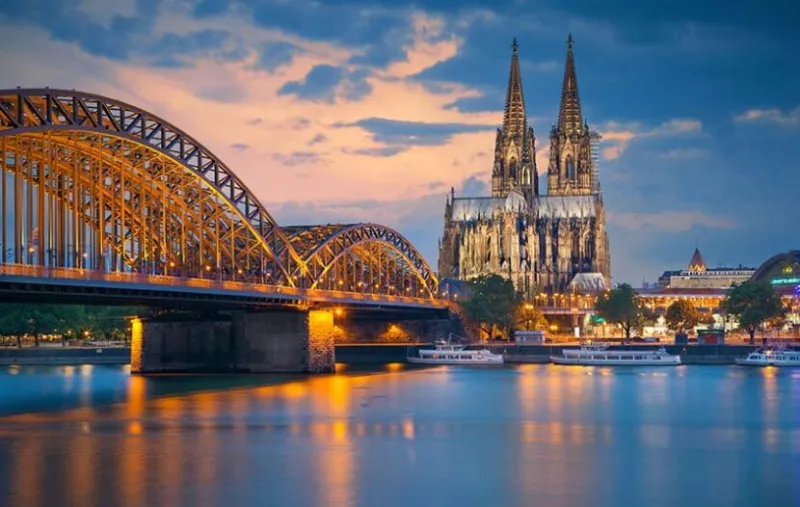
Top Tourism Spots, You Got to Visit
Discover the world's most breathtaking destinations in our curated guide. From the ancient ruins of ... Read More
Top Posts

The Scariest Online Threats And How to Protect Your Privacy
The internet, a marvel of connectivity and information, also casts a long shadow of pervasive threats. What began as a revolutionary tool for communication and ...Read More

Breville Juicer and what I like about it?
In an era increasingly defined by a conscious pursuit of well-being, the art of juicing has transcended a mere trend to become a cornerstone of many individuals...Read More

Why Cruises may be the best option For your next getaway!
Tired of the stress associated with planning complex vacations? Discover why cruises are the ultimate solution for hassle-free travel, offering an all-inclusive...Read More
Micro‑Communities: Redefining Belonging in Hyperconnected World
Micro‑communities are the quiet revolution redefining how we belong, collaborate, and advocate in a hyperconnected world, offering intimacy, rapid skill trans...Read More
0 Comments
Post Comment
You will need to Login or Register to comment on this post!