

Why Mobile‑First Isn’t Enough Anymore: Turning Apps into Strategic Business Engines
When I first cut my teeth on mobile development, the mantra was simple: build for the screen, ship fast, and pray users will stick around. Those days feel like a distant echo now. In the fast‑moving SaaS arena, a mobile app is no longer a nice‑to‑have accessory; it’s a strategic lever that can dictate revenue velocity, churn rates, and even the very identity of a product. In this post I’m pulling back the curtain on how forward‑thinking teams can evolve their mobile presence from a static touchpoint into a living, data‑driven growth engine.
From “Touchpoint” to “Growth Engine” – The Mindset Shift
The first mistake many product leaders make is treating the mobile app as a replica of the web experience. That approach yields a duplicate UI that feels cramped and an analytics blind spot that masks how users truly interact with the product on the go. The shift I advocate is to view the app as a distinct business channel—one that demands its own product roadmap, user‑experience research, and performance metrics.
When you start thinking of the app as a revenue‑generating asset, three questions surface:
- What unique problems does the mobile context solve? Think offline access, push‑driven engagement, and sensor‑based insights.
- How can we surface high‑value actions in seconds rather than minutes? Mobile users expect micro‑tasks, not long‑form workflows.
- What data does the app reveal that the web can’t? Session length, device health, and real‑time context become new gold mines.
Micro‑Interactions: The Unsung Heroes of Mobile Delight
If you’ve ever felt a subtle vibration after tapping “Send” in a messaging app, you’ve experienced a micro‑interaction. These tiny, purposeful motions are the “secret sauce” that can turn a functional app into a delightful habit‑builder. In a mobile‑first world, they become even more crucial because users are multitasking, navigating on noisy trains, and battling limited attention spans.
Design teams should think beyond static icons. Animate button states, provide haptic feedback on key actions, and use contextual tooltips that fade in just as a user hesitates. When done right, micro‑interactions reduce friction, increase perceived speed, and boost conversion rates on tasks like onboarding or in‑app purchases.
For a deeper dive into the power of these tiny gestures, check out Why Micro‑Interactions Are the Secret Sauce of Modern Web Design. The principles translate seamlessly to mobile, where every pixel and millisecond counts.
Data‑Driven Personalization at the Edge
Mobile devices are uniquely positioned to deliver hyper‑personalized experiences because they carry a wealth of contextual signals: location, accelerometer data, network quality, and even biometric inputs. Harnessing these signals in real time lets you serve the right feature at the right moment.
Imagine a SaaS that helps field technicians manage equipment. When a technician opens the app in a low‑signal area, the app automatically switches to a lightweight offline mode, pre‑caches the relevant work order, and surfaces a “Check‑in” button that logs GPS coordinates with a single tap. The result? Faster job completion, fewer missed check‑ins, and a measurable boost in service level agreements.
To make this vision a reality you need an architecture that pushes personalization logic to the edge—think server‑less functions, on‑device inference models, and low‑latency APIs. This approach reduces round‑trip time, respects user privacy, and keeps the experience buttery smooth even on flaky networks.
AI‑Powered Collaboration Inside the App
Collaboration has traditionally been a desktop‑centric activity, but the tide is turning. AI can turn a mobile app from a solitary tool into a collaborative hub where teammates co‑author documents, brainstorm ideas, and resolve tickets without ever touching a laptop.
One of the most exciting developments is multimodal AI that can understand text, voice, and even sketches. By integrating an engine like Gemini’s Multimodal Engine, you can let users dictate notes, draw quick wireframes, and have the system automatically tag, categorize, and assign tasks—all from the palm of their hand.
Such capabilities unlock new workflows: a sales rep on a client site can capture a meeting’s key points via voice, instantly translate them into action items, and push those items to the CRM—all without typing a single line. The result is a dramatic reduction in manual data entry, higher data fidelity, and a stronger feedback loop between field and headquarters.
Performance Is the New Feature
Speed isn’t just a nicety—it’s a competitive moat. Studies show that a one‑second delay in app load time can shave off up to 7% of conversions. For SaaS products, where each user interaction might translate directly into billable usage, performance directly impacts the bottom line.
Here are three levers you can pull to win the performance race:
- Lazy‑load assets: Only fetch what the user needs for the current screen. Use bundles and code‑splitting to keep the initial download under 200 KB whenever possible.
- Native‑bridge optimization: Reduce the number of trips across the JavaScript‑native bridge in hybrid frameworks. Each bridge call adds latency; batch operations whenever you can.
- Adaptive quality: Dynamically adjust image resolution and video bitrate based on the user’s network speed, preserving visual fidelity without sacrificing load times.
Performance monitoring should be baked into your CI pipeline. Tools that simulate real‑world 3G/4G conditions can catch regressions before they reach users, saving you costly hot‑fixes and reputation damage.
Security That Fits in Your Pocket
Mobile devices are personal, and that intimacy makes them a prime target for malicious actors. Yet security conversations often revolve around “firewalls” and “VPNs”—concepts that feel more appropriate for desktop environments. In mobile, security must be woven into the user experience.
Key tactics include:
- Biometric authentication: Leverage Touch ID, Face ID, or Android’s fingerprint APIs for frictionless yet strong verification.
- Zero‑trust networking: Treat every request as coming from an untrusted source. Enforce token rotation, short‑lived JWTs, and device attestation.
- Secure storage: Use platform‑provided keychains or encrypted shared preferences rather than storing sensitive data in plain text.
When security feels like a hurdle, users will abandon the app. When it’s seamless, it builds trust—a crucial differentiator for B2B customers who are often risk‑averse.
Monetization Without the Friction
Traditional SaaS pricing models—tiered subscriptions, per‑seat fees—still apply, but mobile opens a new avenue: usage‑based micro‑transactions. Think of a data‑analytics platform that charges per processed event. By exposing a “pay‑as‑you‑go” toggle inside the app, power users can unlock extra compute capacity on‑the‑fly, while casual users stay on the free tier.
Implementing this requires a robust in‑app purchase flow, transparent usage dashboards, and clear communication about billing cycles. The upside is a more granular revenue stream that aligns closely with the value delivered.
Building a Mobile‑Centric Team Culture
Even the most brilliant technical strategy will flounder without the right people. Mobile development demands a blend of skills: UI/UX fluency, performance engineering, data science, and product sense. To attract and retain talent, foster a culture that values:
- Rapid experimentation: Encourage developers to ship feature flags and A/B tests directly from their phones.
- Cross‑functional collaboration: Pair designers with engineers on real‑time design handoff tools.
- Continuous learning: Sponsor conferences focused on mobile AI, AR/VR, and emerging platform APIs.
Measuring Success: The Mobile KPI Dashboard
Finally, you need a dashboard that tells a story at a glance. Beyond standard DAU/MAU, consider these metrics:
- Time to First Action (TTFA): How quickly does a new user complete a high‑value event?
- Retention by Context: Segment churn by network type (Wi‑Fi vs cellular) to uncover connectivity‑related pain points.
- Feature Adoption Velocity: Measure the time between feature release and 20% user adoption.
- In‑App Revenue per Session: Connect usage patterns directly to monetization.
Couple these KPIs with qualitative feedback from in‑app surveys to get a holistic view of health. When you iterate on data, the app evolves into a self‑optimizing growth lever.
Conclusion: Embrace the Mobile‑First Evolution
Mobile apps have graduated from peripheral accessories to central pillars of SaaS strategy. By rethinking the app as a unique business channel, leveraging micro‑interactions, infusing AI‑driven collaboration, and obsessing over performance and security, you can transform a simple download into a sustained revenue engine. The journey isn’t a sprint—it’s a marathon of continuous improvement, data‑backed decisions, and a team culture that lives for the pocket‑sized experience.

Sanji Patel is a Staff Writer at Blogging Fusion and a globally recognized SEO consultant with 25 years of industry experience. He specializes in delivering comprehensive technical and editorial SEO services to news publishers worldwide. Sanji frequently shares his insights as a speaker at international conferences and delivers annual guest lectures at local universities.
Professional Profile
- Current Role: Staff Writer at Blogging Fusion.
- Core Expertise: Technical and editorial SEO strategy.
- Target Audience: Global news publishers and digital media outlets.
- Industry Experience: 25 years of dedicated SEO consultancy.
- Public Engagement: International conference speaker and university guest lecturer.
Related Posts

The Rise of Sustainable Mobile Apps: A New Era of Eco-Friendly Innovation
The world of mobile apps is evolving, and sustainability is at the forefront. Learn about the rise o... Read More

No‑Code Mobile Apps: Empowering B2B Teams to Build Internal Tools at Speed
No‑code mobile platforms are transforming B2B operations by enabling business users to build secur... Read More

Mobile Experience Design: Turning Apps into Enterprise Growth Engines
A deep dive into experience‑centric mobile app strategies that empower B2B SaaS businesses to driv... Read More
Top Posts

Why Dedicated Hosting Is the Creative’s Secret Weapon
Dedicated hosting transforms a creator’s workflow by delivering unmatched speed, ironclad security, and scalable resources, empowering artists to focus on inn...Read More

Micro-Adventure: Redefining Outdoor Recreation One Tiny Trip at a Time
Micro‑adventure offers a fresh, low‑commitment way to experience nature daily. Learn how smart minimal gear, sensory‑rich trails, and community micro‑hi...Read More
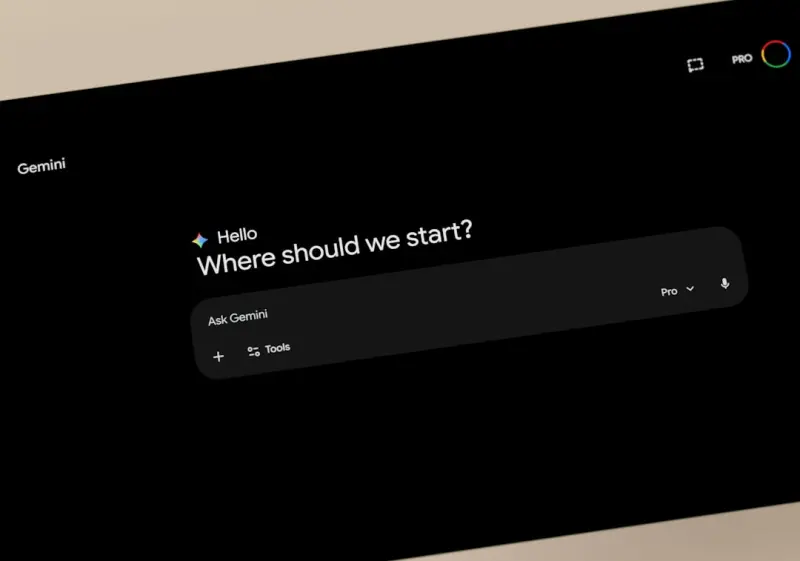
Gemini’s Multimodal Engine: A New Playbook for SaaS Collaboration
Gemini’s ability to understand text, images, and code in a single conversation turns it into a collaborative partner for SaaS teams, speeding up feature deliv...Read More

Home Trends Rose DesRochers Swears By: From Pet‑Friendly Hacks to Eco‑Chic Upgrades
Rose DesRochers shares her 2024 home‑improvement secrets, from pet‑friendly layouts and smart lighting to eco‑materials and kid‑safe designs—turning a...Read More
0 Comments
Post Comment
You will need to Login or Register to comment on this post!