
Why Software Is the New Frontier for Rebels in 2024
When I stare at the code on my screen, I feel the same pulse that drives a rock‑steady bass line at a downtown gig—raw, unapologetic, and constantly evolving. The software landscape is no longer a quiet back‑office operation; it’s the beating heart of every brand, startup, and even household appliance that wants to stay relevant in a hyper‑connected world. As a longtime observer of tech revolutions, I’ve learned that the most impactful innovations arrive when developers toss the rulebook aside and ask, “What if we could build faster, smarter, and more responsibly?” This mindset, the rebel spirit, is what fuels the next wave of software breakthroughs we’re witnessing today.
AI‑Powered Coding Assistants Are Turning Dreams into Reality
Imagine a colleague who never sleeps, never complains about deadlines, and can suggest a perfect function signature before you even finish typing the comment. That’s the promise of generative AI tools that are now embedded directly into IDEs, transforming the way we approach problem‑solving. By analyzing millions of code snippets, these assistants can autocomplete entire modules, spot bugs before they compile, and even refactor legacy systems with a confidence that feels almost magical. Yet, the real power lies not just in automation but in the creative freedom they unlock—developers can now spend more time on architecture and user experience, turning the mundane into an arena for genuine innovation.
Low‑Code and No‑Code Platforms Are Democratizing Development
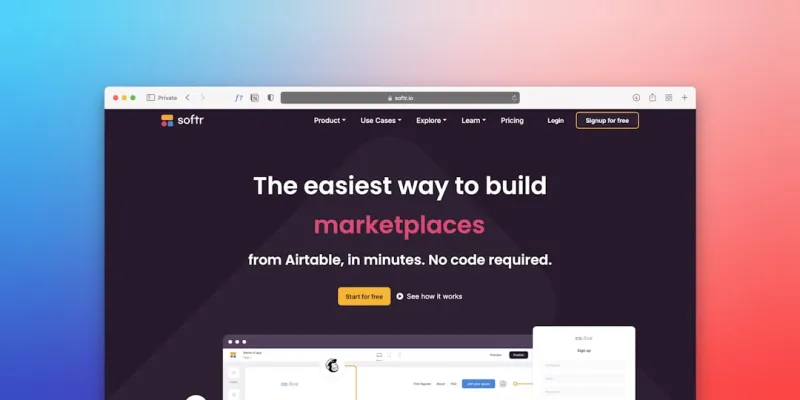
The democratization of software creation is perhaps the most radical shift I’ve seen in my career, and it mirrors the rise of indie music scenes where anyone with a laptop can produce a hit. Low‑code and no‑code environments provide visual drag‑and‑drop interfaces, pre‑built APIs, and instant deployment pipelines that let marketers, analysts, and entrepreneurs prototype ideas without a single line of traditional code. This empowerment reduces the friction between concept and product, allowing small teams to iterate at lightning speed while still maintaining a high bar for quality. As a result, the barrier to entry has lowered dramatically, and we’re witnessing an explosion of niche applications that solve hyper‑specific problems previously ignored by larger enterprises.
Edge Computing and Serverless Architecture Are Redefining Performance
In the age of real‑time analytics and immersive experiences, latency is the enemy that no one can afford. Edge computing pushes processing power closer to the user, while serverless architectures let developers focus on business logic without worrying about provisioning servers. Together, they create a flexible, scalable backbone that can handle spikes in demand without breaking a sweat. This shift not only improves user satisfaction but also slashes operational costs, enabling startups to compete with industry giants on a level playing field. The synergy between edge and serverless is a testament to how infrastructure can become a silent partner in the rebel’s quest for speed and efficiency.
Security and Privacy Are the New Acts of Defiance
When corporations treat data like a commodity, the rebel response is to embed privacy by design into every layer of the stack. Modern software must anticipate threats before they manifest, employing zero‑trust models, end‑to‑end encryption, and continuous compliance monitoring. This proactive stance transforms security from an afterthought into a competitive advantage, reassuring users that their information is guarded against the ever‑evolving landscape of cyber‑attacks. In my view, championing privacy isn’t just a regulatory checkbox—it’s a bold statement that says we refuse to sacrifice trust for convenience.
Open‑Source Communities Keep the Innovation Engine Roaring
The open‑source movement is the ultimate embodiment of the rebel ethos: collaborative, transparent, and driven by shared purpose. Projects like Kubernetes, TensorFlow, and React thrive because thousands of contributors worldwide pool their expertise, critique each other’s work, and iterate faster than any single company could. By participating in these ecosystems, developers gain access to cutting‑edge tools while also giving back to a community that fuels their own growth. This reciprocal relationship accelerates the diffusion of breakthroughs, ensuring that the latest advancements are never locked behind proprietary walls.
Sustainable Software Development Is Gaining Momentum
As we write more code, we also consume more energy—an issue that cannot be ignored in an era of climate urgency. Optimizing algorithms for efficiency, reducing server footprints, and adopting green hosting solutions are no longer optional; they’re essential components of a responsible development strategy. I’ve explored these themes in depth in The Energy Revolution: Jim Pearse’s Take on Power, Policy, and the Future, where I argue that developers have a unique opportunity to lower carbon emissions through smarter code. By measuring the energy cost of each feature and prioritizing low‑impact designs, we can turn sustainability into a competitive edge rather than a compliance burden.
The Hardware‑Software Symbiosis Is Accelerating
This year marks a pivotal moment where hardware innovations are directly influencing software possibilities, a trend I detailed in Why 2024 Is the Year of the Revolutionary Laptop. Powerful, energy‑efficient processors, advanced GPUs, and integrated AI accelerators enable developers to build applications that were once the stuff of science fiction—from real‑time language translation to immersive AR experiences. The feedback loop is tight: as hardware capabilities expand, software pushes the envelope, prompting manufacturers to create even more specialized components. This dance fuels a virtuous cycle that propels the entire tech ecosystem forward at breakneck speed.
Join the Rebel Movement and Shape Tomorrow’s Software
If you’ve felt the itch to break free from conventional constraints, now is the time to act. Embrace AI assistants to amplify your creativity, leverage low‑code platforms to bring ideas to life faster, and champion security, sustainability, and open collaboration as core principles of your work. The software revolution is not a distant hype—it’s happening today, and every line of code you write contributes to a larger narrative of rebellion against complacency. So fire up your IDE, question the status quo, and let’s build a future where technology serves humanity with boldness, integrity, and relentless innovation.

Jim Pearse, a seasoned freelance writer, brings a wealth of knowledge and passion to the world of home and garden. From the intricacies of landscaping to the nuances of interior design, Jim delves into every aspect of creating comfortable, beautiful, and functional living spaces.
Related Posts

What is the Best Antivirus Software Today
In the digital ecosystem of the 21st century, the question of cybersecurity has shifted from a niche... Read More

Navigating the Best Tax Software for Accounting Professionals and DIYers
Tax season demands precision, compliance, and efficiency—whether you’re a seasoned accountant ma... Read More
The Quantum Leap: Navigating Software's Next Frontier
Join Jessica Gills as she unravels the future of software. Discover how AI, no-code platforms, and a... Read More
Top Posts

Great Ways To Increase Customer Engagement
In today's hyper-connected, customer-centric marketplace, merely attracting customers is no longer sufficient for sustainable business growth. The true differen...Read More

Rebel Home Makeovers: Margaret Thomson’s Guide to Sustainable, Smart, and Stylish Upgrades
Margaret Thomson shares her rebellious, sustainable approach to 2024 home upgrades, blending smart tech, eco‑friendly materials, and personal flair for a home...Read More

Mental Health in the Digital Age: A Complex Landscape
Mental health in the digital age is a complex issue. Learn how to navigate the challenges and opportunities of technology and mental health....Read More
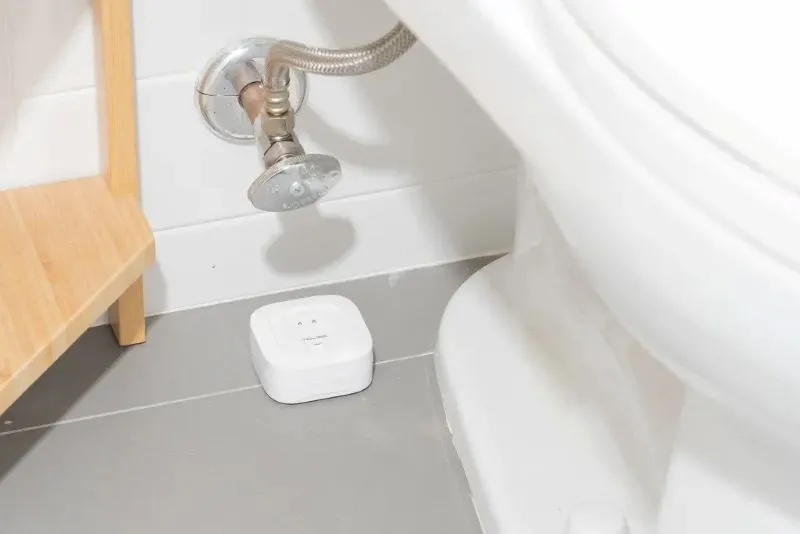
The Best Leak Detectors That Every Home Should Have: Stop Water Damage in Its Tracks
Water damage is one of the most insidious threats to homeowners, often hiding in plain sight until it’s too late. A minor leak from a pipe, faucet, or applian...Read More
0 Comments
Post Comment
You will need to Login or Register to comment on this post!