
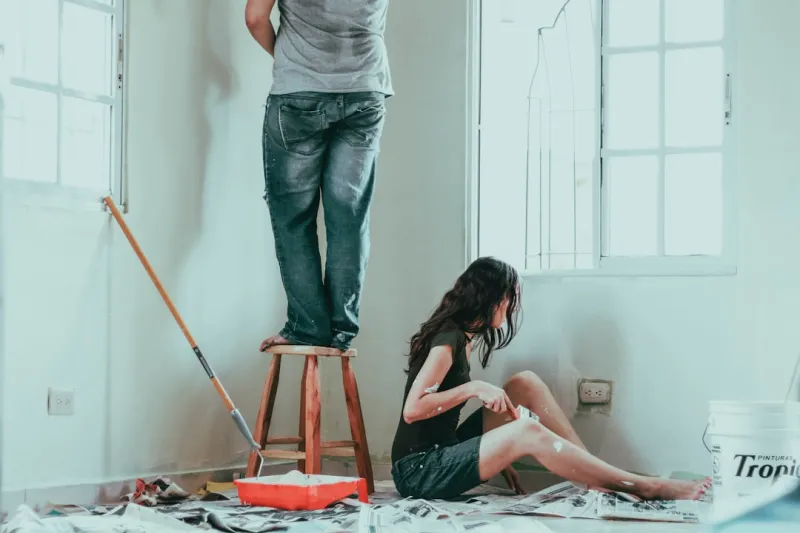
Setting the Stage: My Rebel Mindset for Home Improvements
When I first picked up a paintbrush in my cramped city loft, I felt the surge of a quiet rebellion—the desire to turn every square foot into a statement of who I am. Years of writing about branding and digital culture taught me that authenticity isn’t just a buzzword; it’s the foundation of any lasting change, whether you’re designing a website or a kitchen backsplash. I approach each renovation like a bold headline, asking, “What story does this wall tell?” and “How can this space serve my daily rituals while honoring the planet?” The answer, I’ve learned, lies at the intersection of sustainability, technology, and a pinch of personal flair, all wrapped in the confidence of a rebel who refuses to settle for cookie‑cutter solutions.
Sustainable Upgrades That Pay Off
My first major upgrade was swapping out the aging vinyl flooring for reclaimed hardwood sourced from a local salvage yard—a decision that felt both eco‑friendly and dramatically stylish. The reclaimed boards carry histories of other homes, adding depth to my own narrative while reducing demand for virgin timber; it’s a win‑win that aligns with my belief that every material should have a second act. I paired the wood with low‑VOC, water‑based paints in muted earth tones, creating a breathable environment that improves indoor air quality, especially important for my growing indoor garden. Speaking of which, I recently penned a piece about my own horticultural experiments, which you can explore in Gardening in 2024, and the lessons there translate directly to home upgrades: use native plants for shade, harvest rainwater for irrigation, and let nature do the heavy lifting on energy bills.
Beyond flooring, I invested in a high‑efficiency heat‑pump system that doubles as an air conditioner, dramatically lowering my carbon footprint during both summer swelters and winter chills. The installation was a learning curve—much like deciphering a new SEO algorithm—but the payoff is tangible: my energy bills have dropped by nearly 40% and the home feels consistently comfortable without the whir of an older furnace. To further lock in savings, I added smart thermostatic radiators that communicate with the heat‑pump, adjusting room temperature based on occupancy detected via motion sensors. This synergy of hardware and software feels like a digital rebellion against waste, echoing the principles I championed in Home Improvements in 2024.
- Reclaimed Materials: wood, brick, metal fixtures with history.
- Energy‑Efficient Systems: heat pumps, smart thermostats, LED lighting.
- Water Conservation: low‑flow faucets, rain barrels, grey‑water recycling.
Smart Tech for a Connected Home
Technology, when used thoughtfully, becomes an extension of our living spaces rather than a distraction. I installed a mesh Wi‑Fi system that blankets the entire house, ensuring that every smart device—from my voice‑controlled lighting to the soil‑moisture sensors in the balcony garden—communicates seamlessly. The real magic lies in automation routines I crafted after nights of tinkering with home‑assistant scripts: lights dim to a warm amber at sunset, blinds close just before the sun peaks to reduce heat gain, and my coffee maker starts brewing as soon as my alarm goes off. These small gestures save energy, preserve my mood, and reinforce the feeling that my home is actively working for me.
Security is another arena where I refuse to compromise. I chose a doorbell camera with facial recognition, paired with a smart lock that grants temporary access codes to friends and service providers. The system integrates with my phone, sending real‑time alerts and allowing me to verify visitors before opening the door—peace of mind without the paranoia of constant surveillance. This balanced approach mirrors the modern couple’s navigation of digital intimacy, a theme I explored in Rebel Hearts, where trust is built on transparent tools, not invasive monitoring.
Design Details That Reflect Personality
Every home improvement project needs a focal point that tells a story, and for me, that story is written in textures and colors that echo my love for travel and literature. I installed reclaimed barn doors painted deep navy, each etched with a subtle quote from my favorite novel—an homage to the chapters of my life. Above the kitchen island, I hung a series of vintage botanical prints sourced from an estate sale, connecting the indoor space to my outdoor garden adventures. These visual cues serve as conversation starters, inviting guests to linger, ask questions, and discover the layers of thought behind each design choice.
Lighting, too, plays a pivotal role in shaping mood. I swapped out harsh fluorescents for dimmable, warm‑tone LED strips hidden behind reclaimed timber beams, creating a soft glow that transforms a simple dinner into an intimate gathering. For reading nooks, I opted for adjustable, task‑oriented lamps with color‑temperature settings, allowing me to switch from cool daylight for focused work to amber warmth for relaxed evenings. The interplay of light and material not only elevates aesthetics but also supports my circadian rhythm, reinforcing the idea that a well‑designed home should nurture both body and mind.
Budget‑Friendly Strategies for Maximum Impact
Renovations often come with the fear of overspending, but I’ve discovered that strategic planning can stretch every dollar while still delivering high impact. One technique I swear by is the “swap‑instead‑spend” method: instead of buying new fixtures, I refurbish existing ones. An outdated bathroom vanity became a chic statement piece after a fresh coat of chalk paint, new hardware, and a reclaimed wood countertop. This approach not only reduces waste but also adds a bespoke feel that mass‑produced items can’t match.
Another cost‑saving hack involves bulk purchasing of eco‑friendly materials during off‑season sales. I timed my insulation upgrade for the winter clearance, scoring a 30% discount on high‑R‑value cellulose that I installed myself after watching a few tutorial videos. DIY doesn’t mean compromising on quality; it means embracing the learning curve, which often leads to a deeper connection with your home. By documenting each step in a personal blog, I turned the process into content that resonates with readers who crave both inspiration and practical guidance.
Future‑Proofing: Preparing for the Next Decade
While today’s upgrades focus on sustainability and smart integration, I always keep an eye on the horizon, anticipating technologies and trends that will become mainstream in the next ten years. One such trend is the rise of solar‑plus‑storage systems that allow homeowners to become micro‑grids, selling excess power back to the utility and achieving true energy independence. I’ve begun consulting with a local installer about a rooftop array that aligns with my home’s orientation, ensuring maximum sun exposure without compromising aesthetic lines.
Another emerging concept is modular furniture that adapts to changing needs—think fold‑away workstations for remote days and expandable dining tables for holiday gatherings. By selecting pieces with interchangeable components, I’m preparing my home for the fluid lifestyles of the future. This forward‑thinking mindset mirrors the adaptability required in modern branding, where staying relevant means continuously evolving without losing core identity.
Community and Collaboration: The Ripple Effect
Home improvement is rarely a solo endeavor; it’s an opportunity to engage with neighbors, local artisans, and even online communities. I partnered with a nearby carpenter who specializes in reclaimed wood to source custom shelving that reflects the region’s architectural heritage. In return, I featured his work on my blog, driving traffic to his workshop and fostering a mutually beneficial relationship. This collaborative spirit extends to my readers, who often share their own renovation triumphs, creating a ripple effect of inspiration that spreads beyond my own four walls.
Moreover, I encourage homeowners to consider the social impact of their upgrades. Choosing local suppliers reduces carbon emissions from transportation and supports the community’s economy. When I opted for a locally produced, low‑VOC paint, I not only secured a healthier indoor environment but also contributed to the growth of a small business that prioritizes sustainable practices. These choices reinforce the idea that a home is more than a personal sanctuary—it’s a node in a larger ecosystem of people, resources, and values.
Wrapping Up: The Rebel’s Roadmap to a Better Home
In the end, my journey through 2024’s home improvement landscape has taught me that true transformation is a blend of bold vision, practical execution, and mindful stewardship. By embracing reclaimed materials, integrating smart technologies, and fostering community ties, I’ve crafted a living space that feels both cutting‑edge and deeply personal. The lessons I’ve learned—about budgeting, future‑proofing, and the power of narrative—are not just for my home; they’re a roadmap for anyone ready to rebel against the status quo of cookie‑cutter renovations. So, grab your toolbox, your curiosity, and let your home become the next chapter in your personal story of sustainable, stylish living.

Margaret Thomson is a seasoned freelance writer specializing in the dynamic worlds of marketing and advertising. With a career deeply rooted in the marketing field, Margaret brings a wealth of practical experience and insightful knowledge to her writing.
Related Posts
Creating a Sustainable Home: Eco-Friendly Improvements for a Greener Future
Learn how to create a sustainable home with eco-friendly improvements, reducing your environmental i... Read More
Home Improvements in 2024: Steph Sanderson’s Fresh Take on Sustainable, Smart, and Stylish Upgrades
Steph Sanderson shares a fresh, personal guide to 2024 home upgrades, blending sustainability, smart... Read More
Creating a Sustainable Home Oasis: How Your Space Can Impact Your Mental Health
Discover the connection between your home, sustainability, and mental health. Learn how to create a ... Read More
Top Posts
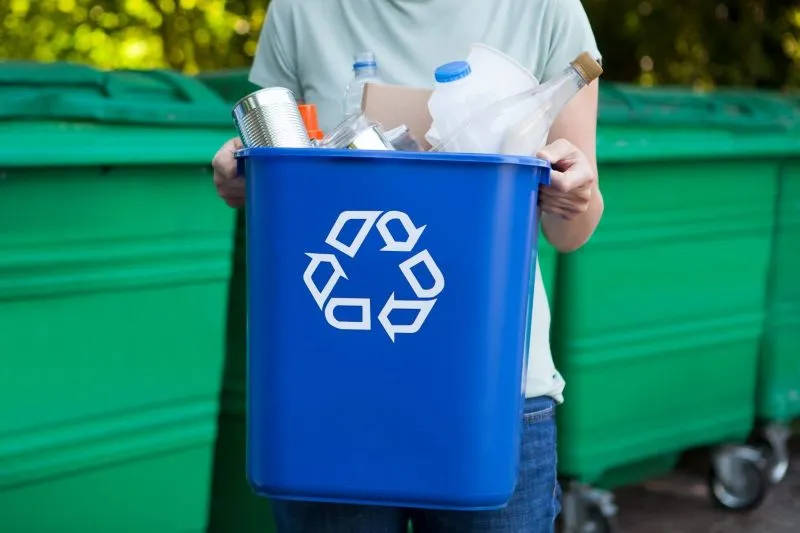
Things You're Tossing in the Recycling Bin That Don't Belong There
Many households unknowingly contaminate their recycling by tossing in unrecyclable items like greasy pizza boxes or plastic film. This guide explains exactly wh...Read More

How to Improve Your WordPress Website Security in 12 Easy Steps
WordPress powers over 43% of all websites on the internet, making it an incredibly popular and versatile platform. Its widespread adoption, however, also makes ...Read More

The Evolution of Media Agencies: Navigating the Complexities of Modern Media
The media landscape is undergoing significant changes, driven by advances in technology and shifting consumer behaviors. Media agencies must evolve to remain re...Read More

Beginners Guide to Successful Email Marketing Plus Examples
Email marketing has been an integral part of digital marketing for decades. Despite the rise of social media and other digital marketing channels, email marketi...Read More
0 Comments
Post Comment
You will need to Login or Register to comment on this post!