
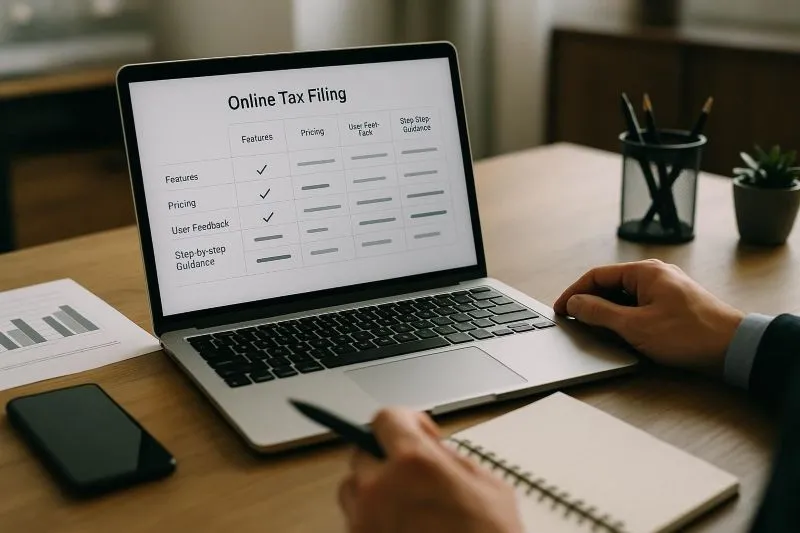
Tax season demands precision, compliance, and efficiency—whether you’re a seasoned accountant managing multiple client portfolios or a self-employed individual preparing your own return. With evolving tax laws and digital advancements, selecting the right tax software is critical to streamline workflows, minimize errors, and maximize savings. The market offers a diverse range of tools tailored to both accounting professionals and do-it-yourself (DIY) taxpayers. This article explores the best software solutions for each group, highlights key features to prioritize, and provides actionable insights to help you make an informed decision.
Why Tax Software Matters
Tax regulations continue to shift in response to economic trends, new legislation, and global financial dynamics. For example, the U.S. tax code now includes updated provisions on digital assets, student loan forgiveness, and environmental incentives. Amid these changes, tax software acts as a bridge between complex rules and user-friendly interfaces. It automates calculations, reduces the risk of manual errors, and ensures compliance with the latest tax requirements. For accounting professionals, the right software enhances collaboration, scalability, and client service. For DIYers, it simplifies the process, demystifying deductions and credits while offering guidance through form completion.
Top Tax Software for Accounting Professionals
Accountants and financial advisors require robust, scalable solutions that support multi-user access, advanced deductions, and seamless integration with accounting systems. Here are standout options:
1. CCH® ProSystem™ Family Suite
- Features: Comprehensive compliance tools, AI-driven audit support, document management, and integration with popular accounting platforms.
- Strengths: Designed for CPA firms, it supports federal, state, and international tax returns. Its centralized dashboard facilitates collaboration among teams.
- Pricing: Subscription-based, with costs varying by module (e.g., tax, audit, consulting).
2. Drake Tax Software
- Features: Real-time updates on tax law changes, multi-state filing, and a cloud-based platform for remote access.
- Strengths: Ideal for small to mid-sized firms, with strong support for pass-through entities like S-corporations and partnerships.
- Pricing: Annual subscription plans, with options for single-user or multi-user access.
3. QuickBooks Desktop vs. QuickBooks Online (QBO)
- Features: Built-in payroll, expense tracking, and integration with tax filing services.
- Strengths: QBO offers real-time collaboration and mobile access, making it ideal for firms with remote teams. QuickBooks Desktop suits users who prefer offline work.
- Pricing: QBO starts at $25/month; Desktop is a one-time purchase with perpetual licenses.
4. Vertex Software
- Features: Specializes in indirect tax (sales tax, VAT) compliance, with automation for multinational tax scenarios.
- Strengths: Reduces time spent on manual tax calculations, particularly beneficial for e-commerce businesses.
- Pricing: Custom pricing tailored to business size and complexity.
5. Wave Accounting (Complementary Tools)
- Features: Free accounting software with invoicing, expense tracking, and financial reporting.
- Strengths: Best for freelancers and small businesses seeking a no-cost solution, though advanced tax tools require add-ons.
- Pricing: Free core platform; paid integrations available.
Key Considerations for Pros: Prioritize software with audit trails, client portals, and multi-user functionality. Cloud-based platforms like QBO and CCH ProSystem are recommended for scalability.
Best Tax Software for DIYers
For individuals and self-employed professionals, ease of use, affordability, and accurate guidance are paramount. These top picks for 2024 simplify the process without compromising on compliance:
1. TurboTax Premier (Individuals)
- Features: Step-by-step interview format, instant deductions for homeowners and freelancers, and direct import from financial institutions.
- Strengths: Excellent for DIYers with higher incomes or complex deductions (e.g., rental property income).
- Pricing: $39.99 for federal return, with state add-ons (prices vary).
2. H&R Block Premium Tax Software
- Features: Virtual tax help, state and federal filing, and a “Checkup” tool to suggest deductions.
- Strengths: User-friendly with live guidance, ideal for first-time filers or those with limited tax knowledge.
- Pricing: $34.99 for federal, with state packages available.
3. TaxAct Self-Employed Edition
- Features: Pre-filled forms for Schedule C, support for home office deductions, and self-employed retirement plans.
- Strengths: Affordable option for freelancers, contractors, and Gig Economy workers.
- Pricing: $18.99 for federal and state combined.
4. Credit Karma Tax (Free Tier)
- Features: Free filing for simple taxes, with a premium version ($49) for self-employed users, real estate, or foreign income.
- Strengths: Advert-free experience and personalized saving suggestions.
- Pricing: Free (basic) or $49 for premium features.
5. AvaTax by Avalara (For Self-Employed Users)
- Features: Automates sales tax calculations and filings, integrates with platforms like Shopify and QuickBooks.
- Strengths: Essential for e-commerce businesses or freelancers collecting sales tax in multiple states.
- Pricing: Tiered pricing based on transaction volume; free trial available.
Key Considerations for DIYers: Look for software with an intuitive interface, e-file capabilities, and strong customer support. Free tools like Credit Karma Tax are great for simple returns, while premium versions cater to complex needs.
How to Choose the Right Software
Assess Your Needs
- Do you require multi-user access, advanced compliance tools, or simple tax prep?
- Are you self-employed with multiple income streams, or do you have straightforward wages?
Integration and Compatibility
- Ensure the software syncs with your accounting tools (e.g., Xero, QuickBooks) or financial accounts.
Cost-Effectiveness
- Compare subscription models, one-time fees, and add-on costs.
Compliance and Security
- Verify that the platform stays updated with the latest tax laws and offers encryption for sensitive data.
Support and Learning Resources
- Opt for providers with 24/7 support, video tutorials, or in-person help centers.
Conclusion
The best tax software combines cutting-edge technology with user-centric design. For accounting professionals, solutions like CCH ProSystem and Drake Tax offer unparalleled efficiency, while DIYers can leverage TurboTax and Credit Karma Tax for simplicity and affordability. By evaluating your specific needs—whether managing complex client portfolios or prepping your own return—you can select a tool that not only saves time but also ensures compliance in an ever-changing tax landscape.
Remember, the goal of tax software isn’t just to meet deadlines but to turn a daunting task into a strategic opportunity for financial planning. Choose wisely, and let technology work as hard as you do.

Steph Sanderson is a Toronto-based freelance writer and content creator with a clear passion: crafting compelling articles. With a dedication to clear, engaging prose and a knack for storytelling, Steph brings a wealth of experience to every project.
Related Posts
Developer Experience: The SaaS Game Changer
A deep dive into why investing in developer experience—clear docs, self‑service onboarding, and ... Read More

Ethical Prompt Engineering: Trust‑First Design for AI‑Powered Software
A deep dive into turning prompt engineering into a disciplined, ethical practice—complete with cha... Read More

Why Developer Experience Is the New Currency in Software
A deep dive into why developer experience matters, how it differs from traditional productivity metr... Read More
Top Posts

Turning City Streets into Living Gardens: A Community Blueprint
A step‑by‑step guide to converting urban spaces into community gardens, complete with compost hubs, soil health tips, and strategies for lasting impact....Read More

Designing Living Web Experiences: A Framework for Adaptive, User‑Centric Sites
Discover how to build web experiences that evolve with users, using living design systems, micro‑interactions, data‑driven insights, and inclusive practices...Read More

Beyond the Buzzwords: Practical Steps for a Genuinely Eco-Conscious Life
Robert Mathews explores practical steps for eco-conscious living. Discover easy ways to green your home, shop sustainably, and make mindful choices for a health...Read More

Lighting the Way: Adaptive Light Zones for a Smarter Home
Adaptive lighting zones turn ordinary rooms into responsive spaces, enhancing mood, productivity, and energy efficiency. This guide walks you through planning, ...Read More
0 Comments
Post Comment
You will need to Login or Register to comment on this post!