
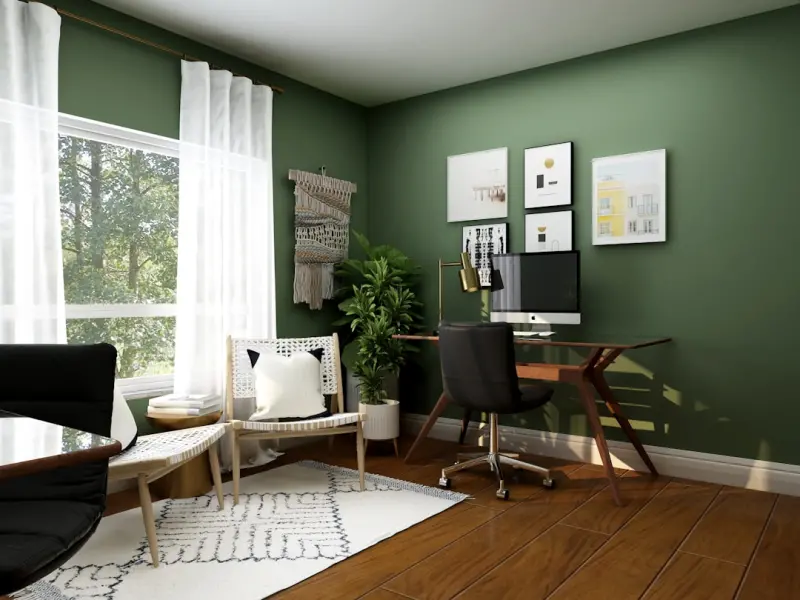
The Hybrid Home Office: Designing Spaces that Flex with Your Work Rhythm
When the pandemic turned our living rooms into boardrooms, we all got a crash course in improvisational design. The makeshift desks, the hastily‑hung shelves, the half‑hearted attempts at “professional” backdrops taught us a vital lesson: the spaces we work in must be as adaptable as the schedules we keep. Today, the hybrid work model is here to stay, and interior design is finally catching up to the reality that a room may need to transition from a focused workstation to a family gathering zone within minutes.
In this post I’ll walk you through the core principles that transform a static room into a dynamic, responsive environment. From modular furniture systems and acoustic zoning to data‑driven color palettes, we’ll explore the tools and mindsets that let your home office breathe, shift, and grow alongside your career.
1. Embrace Modularity—Your New Design Superpower
The era of one‑piece desks and fixed wall‑to‑wall cabinetry is over. Modern interiors thrive on components that can be re‑configured, stored, or expanded on demand. Think of modularity as the Lego of interior design: each piece has a purpose, yet the whole can become something entirely different with a simple rearrangement.
- Flat‑pack desks with interchangeable tops. A solid surface that snaps onto a compact frame can serve as a drafting table today and a dining surface tomorrow.
- Rolling storage units. Carts on casters let you slide a filing system out of sight when the kids arrive, then pull it back for an uninterrupted work session.
- Fold‑away wall panels. Acoustic panels that double as decorative art can be folded away to open up a space for a yoga session or a video call backdrop.
When you treat each element as a modular node, you’re not just saving square footage—you’re creating a choreography for daily life. The Plugin Ecosystems metaphor from software development is perfect here: just as plugins extend a platform’s capabilities without rewriting its core, modular furniture adds new functions without a full renovation.
2. Acoustic Zoning: Quiet When You Need It, Life When You Don’t
One of the most frustrating aspects of working from home is the constant battle for sound control. The solution isn’t just “add a rug” or “close the door.” Acoustic zoning creates distinct sound environments within the same room, allowing you to dial the volume up or down depending on the task at hand.
Start with a base layer:
- Sound‑absorbing ceiling clouds. Suspended panels that look like modern art can trap reverberations without compromising aesthetics.
- Strategic placement of bookcases. Filled shelves act as natural diffusers, breaking up echoes while also serving as storage.
- Soft‑sided furniture. Upholstered chairs and sofas absorb mid‑range frequencies, making conversation zones feel cozy and work zones feel focused.
Combine these with portable solutions—like ambient computing devices that monitor ambient noise levels and automatically adjust white‑noise generators or smart speakers. The technology works behind the scenes, much like a well‑designed SaaS platform, letting you stay immersed without the distraction of manual tweaks.
3. Light as a Mood Engine
Natural light has long been the holy grail of interior design, but in a hybrid setup we need to think beyond windows. Lighting should be programmable, adaptable, and capable of signaling transitions throughout the day.
Here’s a quick framework:
- Daylight‑mimicking LEDs. Tunable color temperature bulbs that shift from cool blue (for focus) to warm amber (for relaxation) sync with your calendar.
- Task‑specific spotlights. Adjustable, directional lights that attach to modular desks, providing focused illumination without flooding the room.
- Ambient strips. Low‑profile LED strips behind shelving or under the desk edge add a subtle glow that can be set to a calming hue for evening calls.
Data‑driven design plays a role here, too. By tracking the times you schedule deep‑work versus collaborative sessions, you can automate lighting scenes that prime your brain for the appropriate activity. It’s a bit like AI‑First Customer Success—the system anticipates your needs before you even voice them.
4. Color Psychology Meets Real‑Time Analytics
Colors aren’t just decorative; they’re neurological triggers. While “blue for productivity” is a well‑trod path, modern interior designers can now fine‑tune palettes based on real‑time data such as heart‑rate variability (HRV) from wearable devices or even sentiment analysis from your calendar entries.
Imagine this workflow:
- During a high‑stress sprint, your smartwatch detects elevated HRV.
- The smart lighting system shifts the wall accent from a stark gray to a soothing sage green.
- Simultaneously, a subtle scent diffuser releases a calming lavender note, completing the multimodal experience.
This level of integration requires a careful balance—technology should enhance, not dominate. The goal is a seamless blend where the environment responds intuitively, much like a well‑engineered SaaS platform that personalizes user journeys without overwhelming the user.
5. Sustainable Materials: The Quiet Hero of Hybrid Design
Hybrid work isn’t just about flexibility; it’s also about responsibility. The surge in home office furniture sales has led to a spike in material consumption, and designers have a chance to steer the market toward greener choices.
Key strategies include:
- Reclaimed wood. Gives a warm, lived‑in feel while diverting timber from landfills.
- Biodegradable composites. New bio‑resins made from algae or corn starch can replace traditional plastics in desk legs and accessories.
- Low‑VOC finishes. Paints and sealants that emit fewer volatile organic compounds improve indoor air quality, essential for long workdays.
These sustainable choices echo the principles of The Green Code movement in software—building with the planet in mind, reducing waste, and creating products that last.
6. The Power of Personalization Zones
Hybrid workers often wear multiple hats: professional, parent, hobbyist, host. Your interior should reflect these identities without feeling fragmented. The solution is a series of “personalization zones” within a single space—each zone equipped with the tools and ambiance necessary for its specific purpose.
Examples:
- Focus pod. A compact, semi‑enclosed area with a standing desk, noise‑cancelling headphones, and a minimal color scheme.
- Creativity corner. A bright, open nook with an easel, vibrant art prints, and a tactile rug that invites movement.
- Connection hub. A round table with comfortable seating, warm lighting, and a built‑in screen for video calls that feel more like face‑to‑face meetings.
Because each zone is purpose‑built, you can transition from “deep work” to “family dinner” with a simple shift in posture and lighting, reducing mental fatigue and boosting overall satisfaction.
7. Future‑Ready Tech Integration—Without the Gadget Overload
While it’s tempting to fill your hybrid office with the latest gadgets, the key is strategic integration. Technology should serve the design, not the other way around.
Consider these subtle integrations:
- Wireless charging surfaces. Embed charging pads directly into desk tops or side tables, keeping cables out of sight.
- Smart blinds. Automated window shades that adjust based on time of day or glare levels, preserving natural light without manual effort.
- Voice‑controlled climate. A discreet thermostat that learns your temperature preferences and optimizes energy use.
These solutions embody the principle of “invisible software”—functionality that recedes into the background, allowing the human experience to remain front and center.
8. The Human‑Centric Workflow: Designing for the Body, Not Just the Desk
Ergonomics has traditionally been a checklist item: adjust your chair, monitor at eye level, keep feet flat. In a hybrid environment, ergonomics becomes a living system. Your workspace should support movement, posture changes, and even micro‑breaks without interrupting flow.
Implement the following:
- Adjustable sit‑stand stations. Seamlessly switch between sitting and standing with a single push of a button.
- Balance boards or wobble stools. Encourage subtle core engagement while you work.
- Integrated movement reminders. A soft chime or a gentle light pulse prompts you to stretch every 45 minutes.
When your environment nudges you toward healthier habits, you’ll find productivity isn’t sacrificed—it’s amplified.
9. Curating the Narrative: Storytelling Through Objects
Every space tells a story. In a hybrid office, that narrative must be flexible enough to encompass professional achievements, personal passions, and evolving life chapters.
Ways to weave narrative:
- Rotating art displays. Use magnetic panels to swap out prints that reflect recent projects or travel experiences.
- Memory shelves. A small ledge for trophies, books, or souvenirs that mark milestones—easily updated as you grow.
- Digital photo frames. Curate a slideshow of family moments, client wins, or inspirational quotes that can be scheduled to change throughout the day.
This dynamic storytelling mirrors the way SaaS products evolve: features are added, removed, or tweaked based on user feedback, ensuring relevance and resonance.
10. Putting It All Together: A Sample Layout
Below is a conceptual floor plan that illustrates the principles discussed. Visualize a 12×14‑foot room divided into three zones:
- Focus Pod (North‑East Corner): A modular sit‑stand desk with a sleek, low‑profile chair, a task lamp, and a set of acoustic panels that can be folded away.
- Creativity Corner (South‑West Corner): A lightweight, mobile easel, a colorful rug, and a series of floating shelves that hold art supplies and inspirational books.
- Connection Hub (Center): A round table with two ergonomic chairs, a built‑in speaker system for video calls, and a smart lighting ring that changes hue based on meeting status.
All zones share a common thread: modular, sustainable, and tech‑integrated elements that can be re‑positioned as needs shift. The result is a space that feels intentional yet fluid—a true reflection of hybrid work’s ever‑changing rhythm.
Conclusion: Design for the Future, Live for the Present
The hybrid work model isn’t a temporary fix; it’s an evolution in how we think about space, productivity, and wellbeing. By embracing modularity, acoustic zoning, adaptive lighting, and sustainable materials, you can create a home office that supports every facet of your life without compromise.
Remember, the best interiors are those that anticipate change. As technology continues to blur the line between physical and digital, the most successful designs will be the ones that make the invisible visible—quietly guiding your day while you focus on the work that matters.

Paul Flynn is a versatile freelance writer equipped with a diverse skillset and a portfolio that reflects his wide-ranging interests and expertise. From crafting compelling website copy and engaging blog posts to delivering in-depth articles and meticulously researched reports, Flynn demonstrates a remarkable ability to adapt his writing style to suit various audiences and purposes.
Related Posts
Designing Spaces That Feel: A Sensory‑First Approach to Interior Design
A deep dive into sensory‑first interior design, showing how intentional lighting, soundscapes, tex... Read More
Modular Magic: Designing Spaces That Evolve With You
Discover the power of modular furniture to transform any room into a dynamic, multi‑functional spa... Read More
The Profound Benefits of Light Therapy Lamps
In an increasingly indoor-centric world, where natural sunlight exposure is often limited by modern ... Read More
Top Posts
Why Edge‑First Cloud Hosting Is the Next Competitive Edge
Edge‑first cloud hosting moves compute and storage closer to users, delivering faster experiences, lower bandwidth costs, and a greener footprint—key advant...Read More

Brand Architecture Meets Human Experience: Designing Brands That Feel Like Places
This article introduces Brand Narrative Architecture, a fresh way to view branding as a designed environment where purpose, sensory cues, and user co‑creation...Read More

YouTube Boosts Visibility of Labels on AI-Generated Videos
YouTube is taking a significant step toward digital transparency by enhancing labels for AI-generated videos. This update helps users distinguish between synthe...Read More
Designing for Cognitive Flow: How Web Interfaces Can Boost Human Focus
A deep dive into designing web experiences that nurture cognitive flow through contextual clarity, rhythmic micro‑interactions, and energy‑aware performance...Read More
0 Comments
Post Comment
You will need to Login or Register to comment on this post!