
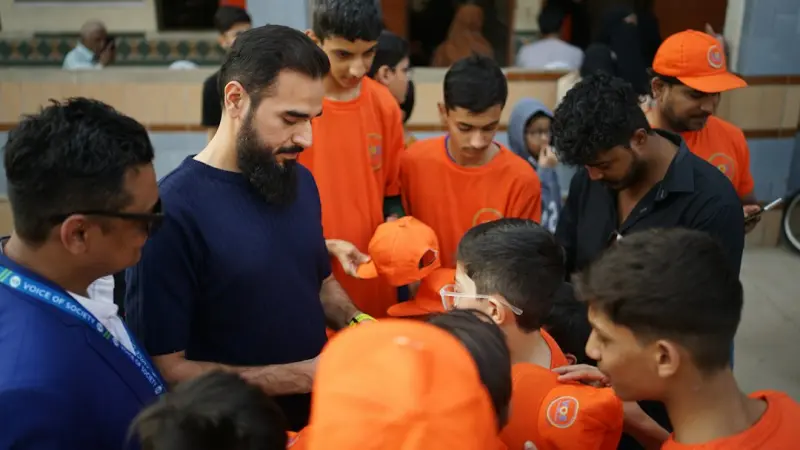
When the stadium lights dim and the televised highlights fade, there’s a quieter, steadier rhythm pulsing through neighborhoods across the country: the hum of local sports leagues. From weekend kick‑ball meetups in community parks to grassroots basketball circuits that rotate courts each night, these modest gatherings are reshaping how we think about health, connection, and even local economies. In a world that glorifies elite competition and massive media spectacles, the real story of athletic culture is being written on cracked asphalt, in school gymnasiums, and on the backs of modestly painted jerseys.
The Power of Play Outside the Spotlight
Most people associate “sports” with big‑ticket events, lucrative sponsorships, and the roar of thousands of fans. Yet the everyday athlete—someone who laces up after a day at the office, gathers friends for a Saturday softball game, or joins a mixed‑age volleyball league—experiences benefits that far surpass the occasional adrenaline rush of a televised championship.
- Physical health: Regular, moderate‑intensity activity improves cardiovascular fitness, muscle tone, and flexibility. The key difference is consistency; local leagues provide a built‑in schedule that makes moving a habit rather than an afterthought.
- Mental resilience: The social accountability of a team setting encourages participants to push through setbacks, fostering a growth mindset that transfers to work and personal life.
- Social capital: Shared goals create bonds that often extend beyond the court. Friendships forged in a pickup game can become networking opportunities, mentorships, or even lifelong partnerships.
These outcomes aren’t theoretical. A recent community health study highlighted that neighborhoods with active adult leagues saw a 12% reduction in reported stress levels compared to areas lacking organized recreation. The simple act of gathering for a game becomes a public health intervention, one that costs far less than any municipal wellness program.
Economic Ripples in the Local Fabric
Beyond personal benefits, local sports ecosystems generate subtle but meaningful economic activity. Consider a small-town soccer league that rents fields, purchases equipment, and orders snacks from nearby vendors. Each transaction supports a chain of local businesses, creating a micro‑economy that reinforces the community’s fiscal health.
Moreover, these leagues often partner with local sponsors—think a family‑run bakery providing post‑game treats or a hardware store offering discounted equipment. Such collaborations create a virtuous circle: businesses gain exposure to a loyal audience, while participants enjoy reduced costs, encouraging greater participation.
For municipalities, the return on investment can be surprising. A modest allocation of funds toward field maintenance and equipment grants can lead to increased usage rates, reducing the need for costly, large‑scale recreation centers that sit underutilized.
Digital Communities Amplify the Grassroots Spirit
While the physical game remains at the heart of these leagues, the digital realm has become an unexpected catalyst for growth. Online platforms enable organizers to coordinate schedules, share highlights, and recruit new members with a reach that would have been impossible a decade ago.
For example, niche fan circles thrive online, allowing local teams to showcase game recaps, celebrate milestones, and even crowd‑source fundraising for new uniforms or field upgrades. This digital presence not only boosts engagement but also draws attention from nearby neighborhoods, expanding the league’s footprint.
Want to see a real‑world illustration of how digital communities can uplift a grassroots sport? discover how niche fan circles thrive online.
Inclusivity: Redefining Who Gets to Play
Traditional sports narratives often marginalize certain groups—whether due to age, skill level, or socioeconomic status. Local leagues, however, have the flexibility to break down these barriers. Adaptive formats, mixed‑gender teams, and pay‑what‑you‑can policies ensure that the love of the game isn’t confined to a privileged few.
One standout example is a community-led ultimate frisbee league that offers “skill‑swap” nights. Beginners pair with seasoned players, exchanging knowledge and confidence in a low‑pressure environment. Such initiatives not only improve game proficiency but also foster empathy and mutual respect among participants.
Technology on the Court: A Subtle Revolution
Wearable devices and mobile apps are increasingly infiltrating the grassroots scene, but their impact is more nuanced than the flashy analytics seen in professional sports. For amateur athletes, technology serves as a personal coach, reminding them to stay hydrated, tracking basic movement patterns, and offering gentle nudges to maintain proper form.
While we could delve into the complexities of data‑driven training, the real story is how these tools democratize access to performance insights that were once reserved for elite athletes. A simple step counter or heart‑rate monitor can highlight areas for improvement, encouraging participants to set realistic, achievable goals.
For those curious about the broader implications of interactive entertainment technologies on everyday play, read more about the evolving landscape of interactive entertainment.
Building a Sustainable Future for Local Sports
Ensuring the longevity of grassroots leagues requires intentional planning. Here are three practical strategies that organizers and community leaders can adopt:
- Multi‑use facilities: Design fields and courts that accommodate a variety of sports, maximizing utilization throughout the year.
- Volunteer leadership pipelines: Encourage seasoned players to take on coaching or administrative roles, preserving institutional knowledge and reducing reliance on external hires.
- Community partnerships: Align with schools, non‑profits, and local businesses to share resources, co‑host events, and cross‑promote initiatives.
When these elements converge, the result is a resilient network of athletic opportunities that can weather economic downturns, demographic shifts, and even unexpected challenges like extreme weather events.
Case Study: The Revival of a Small‑Town Baseball League
In a mid‑western town that once faced dwindling participation, a group of longtime residents launched a revitalization campaign centered on three pillars: heritage storytelling, inclusive recruitment, and modest tech integration.
First, they documented the league’s history through short videos shared on social media, reigniting pride among older residents. Next, they opened registration to families, offering “family night” games where parents and children could play side‑by‑side. Finally, a simple scheduling app allowed players to sign up for games, send reminders, and track attendance.
The results were striking: within a single season, the league saw a 40% increase in active players, attracted new sponsorship from a local hardware store, and sparked a community festival that generated additional revenue for park maintenance.
Takeaways for Readers
Whether you’re a seasoned athlete, a casual participant, or a community organizer, the rise of local sports leagues offers a blueprint for building healthier, more connected neighborhoods. By embracing inclusivity, leveraging modest technology, and nurturing digital community spaces, these grassroots movements are quietly reshaping the social fabric—one game at a time.
Next time you hear the distant thud of a ball against a backboard or the cheerful whistle of a referee, remember that behind the simple act of play lies a powerful engine of wellbeing, economic vitality, and social cohesion.

Jessica Gills is a freelance writer carving a niche for herself by empowering others through her words. With a focus on careers, self-development, and business, she helps readers navigate the complexities of the modern professional landscape.
Related Posts

From the Bench to the Boardroom: How Data-Driven Training Is Redefining Modern Sports
A deep dive into how real‑time metrics, low‑code analytics, and a culture that blends intuition ... Read More

The Rise of Data‑Driven Coaching: Real‑Time Analytics Transform Player Development
Real‑time analytics are turning the sports world on its head, giving coaches instant insight, athl... Read More

Data‑Driven Playbooks: Elevating Community Sports from the Ground Up
Discover how everyday sports clubs can harness live analytics, AI‑enhanced video feedback, and int... Read More
Top Posts

Micro‑Experiences: The Tiny Moments Redefining Live Sports
Micro‑experiences deliver instant, interactive moments that boost fan engagement and open new revenue streams, reshaping the future of live sports....Read More

Beyond Screens: How Real‑World Projects Reignite Curiosity in Remote Learners
Real‑world projects give remote learners purpose and connection, turning screen fatigue into active, collaborative problem‑solving that deepens understandin...Read More

Link Building in the Age of Creative Sprints: Strategies That Stick
A fresh take on link building that marries creative sprint methodology with AI insights, delivering high‑quality backlinks, measurable impact, and future‑re...Read More

Why Curated Subscription Boxes Are the Future of Smart Shopping
Subscription boxes are reshaping retail by offering personalized, sustainable, and tech‑enhanced experiences that cut through decision fatigue and build lasti...Read More
0 Comments
Post Comment
You will need to Login or Register to comment on this post!