

Why Playtime Is the Perfect Launchpad for a Teen’s Digital Skillset
When I was a kid, the backyard was my startup incubator. I’d rig a makeshift zip‑line, trade baseball cards, and spend hours sketching comic strips on the back of grocery receipts. Fast‑forward a few decades, and the “playground” has expanded from concrete to code, from skateboards to streaming platforms. Today’s teens have an unprecedented toolbox at their fingertips—smartphones that double as microscopes, cloud services that can host a personal portfolio with a single click, and a global audience eager for fresh voices.
But here’s the paradox: while the devices are more powerful than ever, many young people still feel stuck in the same old loop of passive consumption. They scroll, they swipe, they watch. The real challenge—and opportunity—is turning that passive time into an active learning engine without killing the fun factor. In this post, I’ll share a fresh, practical framework that lets teens play, experiment, and build something tangible at the same time. Think of it as a DIY digital playground where every game, glitch, and “aha!” moment adds a brick to a future‑proof skill set.
1. Flip the Narrative: From Consumer to Creator
The first mental shift is simple yet powerful: see every digital activity as a potential creation point. When a teen watches a TikTok dance, ask, “How could you remix that with a different soundtrack or visual effect?” When they’re gaming, challenge them to design a level or mod that adds a new mechanic. This reframing turns hours of entertainment into low‑stakes practice in storytelling, visual design, and basic programming.
Why does this work? Because the brain learns best when it’s engaged emotionally. The dopamine hit from “winning” a level or getting likes on a video is the same chemical that reinforces skill acquisition. By pairing that reward with a creation task, you’re wiring the habit loop to produce output, not just input.
2. Leverage Everyday Tech as Learning Labs
Most teens already carry a smartphone sensor toolkit in their pockets—accelerometers, gyroscopes, cameras, microphones, GPS. These aren’t just for selfies; they’re gateways to hands‑on experiments:
- Motion‑Based Games: Use the accelerometer to create a “real‑world” obstacle course. Every jump, spin, or slide becomes a data point you can visualize in a simple app.
- Audio Exploration: Record ambient sounds around the house, then apply basic Fourier transforms (yes, a one‑line Python script) to see the frequency spectrum. It’s a gateway to music production and sound design.
- Location Storytelling: Combine GPS data with a diary app to map personal narratives—“my walk to school on rainy days” becomes an interactive map with photos and voice notes.
These mini‑projects are bite‑sized enough to fit into a lunch break but meaningful enough to build a portfolio piece that demonstrates real technical competence.
3. Build a Modular Online Presence
Now that you’ve got raw content, the next step is a showcase. A static website is great, but a modular approach to blogging gives teens the flexibility to swap in new sections as they grow. Here’s a simple three‑module starter kit:
- Portfolio Grid: A Masonry layout that automatically pulls images or videos from a cloud folder (Google Drive, Dropbox, or even a private GitHub repo). No need to touch HTML after the initial setup.
- Process Diary: A lightweight CMS (like Netlify CMS) that lets them write short “what I learned” entries for each project. These logs become SEO‑friendly content that Google loves.
- Community Hub: An embedded Discord widget or a comment system where peers can leave feedback, turning the site into a two‑way conversation.
The modular structure mirrors how modern software is built—tiny, interchangeable pieces that can be updated independently. When a teen adds a new skill (say, a Python script that analyzes TikTok trends), they simply drop a new module onto the page without redesigning the whole site.
4. Adopt the “Micro‑Wins” Mindset
One of the biggest barriers to sustained creative work is the feeling of being overwhelmed. The solution isn’t to schedule a marathon coding session; it’s to celebrate tiny, frequent achievements. A micro‑wins framework works beautifully for teens:
- Define a Micro‑Goal: “Add a caption to one video,” or “Export a 10‑second animation.” The goal should be doable in under 30 minutes.
- Record the Outcome: A quick screenshot or a line of code in a journal.
- Reward the Completion: A badge on their site, a shout‑out in a family group chat, or a small token like a new theme for their app.
When these wins are logged publicly on their portfolio, they become social proof that the teen is consistently building. It also creates a feedback loop that fuels motivation—a key ingredient for long‑term skill development.
5. Turn Play Into Data‑Driven Insight
Every game, video, or creative experiment generates data: view counts, playtime, engagement metrics. Instead of ignoring these numbers, teach teens to interpret them. Simple analytics—like average watch time on a TikTok series or the number of times a game level is replayed—can reveal what resonates.
Here’s a quick starter workflow:
- Export the data (most platforms provide CSV downloads).
- Import into Google Sheets or a free data‑visualization tool like Datawrapper.
- Plot basic charts (bar graph for most‑watched videos, line graph for skill improvement over weeks).
Seeing a clear upward trend—say, a 20% increase in average watch time after adding subtitles—gives teens concrete evidence that their tweaks have impact. It also introduces them to the fundamentals of data literacy, a skill in high demand across industries.
6. Harness Peer Collaboration Without the “Group Project” Stigma
Traditional school projects often feel forced, leading to uneven contributions and friction. In a digital playground, collaboration can be optional and asynchronous. Set up a shared repository (GitHub or GitLab) where anyone can contribute a “feature branch.” For example:
- One teen designs a level layout.
- Another adds background music.
- A third writes a short tutorial blog post about the development process.
This model mirrors real open‑source contributions and teaches version control, code reviews, and constructive feedback—skills that are directly transferable to future internships or freelance gigs.
7. Bridge the Gap Between Play and Real‑World Opportunities
Once a teen has a modest portfolio, the next logical step is to explore real‑world applications:
- Freelance Micro‑Tasks: Platforms like Fiverr or Upwork allow teens (with parental consent) to offer services such as “short video editing” or “simple game level design.” Even a single $5 gig adds a client reference to their site.
- School Clubs and Competitions: Many schools now host “Digital Innovation” challenges. A ready‑made portfolio gives participants a confidence boost and a tangible way to showcase prior work.
- Mentorship Programs: Pairing with a local tech meetup or a coding bootcamp mentor can turn casual play into structured learning pathways.
The key is to frame these opportunities as extensions of the fun they’re already having—not as chores or extra work.
8. Keep the Fun Factor Alive
All the frameworks, analytics, and modules in the world won’t help if the experience feels like a grind. Here are a few quick tips to preserve the joy:
- Theme Your Projects: Turn a month‑long series into a “Space Quest,” where each new skill unlocks a new planet.
- Invite Family Participation: Let grandparents comment on the blog, or have a sibling help film a tutorial. Shared experiences reinforce social bonds.
- Celebrate Milestones Publicly: Host a virtual “gallery walk” where the teen walks friends and family through their latest creations.
When the process feels like a game, the learning sticks, and the portfolio grows organically.
Conclusion: Play Is the New Classroom
We’ve come full circle—from backyard zip‑lines to code‑laden cloud environments. The core principle remains unchanged: engagement drives mastery. By reframing everyday digital habits as creative experiments, leveraging the sensors already in their pockets, building modular showcases, and celebrating micro‑wins, teens can turn idle playtime into a credible, future‑ready portfolio.
Parents, educators, and mentors, your role is to provide the scaffolding—offer the right tools, celebrate the small victories, and give teens the space to explore without pressure. When you do, you’ll see a generation of young creators who don’t just consume technology; they shape it.

David Moore is a freelance writer specializing in two dynamic and ever-evolving fields: gambling and the tech industry. With a keen eye for detail and a knack for unraveling complex topics, David delivers insightful and engaging content that keeps readers informed and entertained.
Related Posts
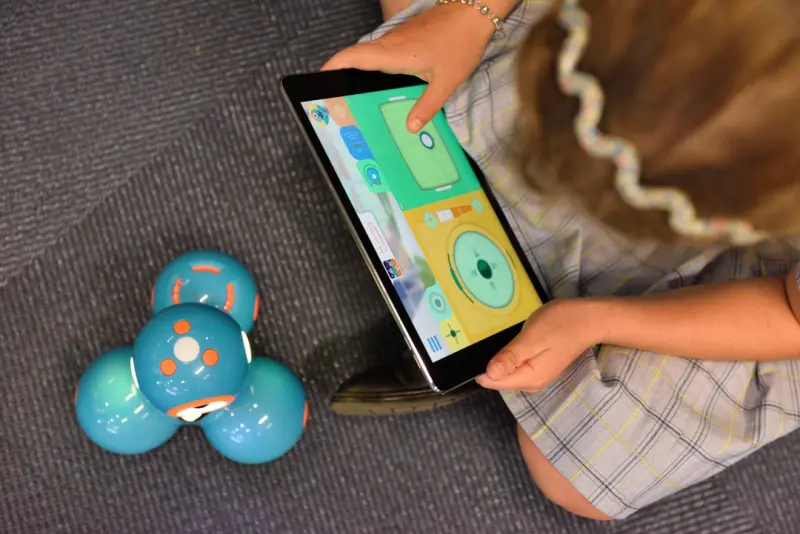
AI Learning Buddies: How Smart Companions Are Redefining Childhood Education
AI learning companions are turning homework into interactive adventures, blending personalized tutor... Read More

Bridging the Digital Divide: How to Engage Teens Beyond Their Mobile Devices
The mobile device has become an indelible extension of the modern teenager. Far from a mere communic... Read More

Story‑Powered Growth: How Teens Can Build Confidence and Community
A teen who learns to craft and share stories not only sharpens empathy but also gains confidence, te... Read More
Top Posts

Getting Your House Ready for Winter: A Comprehensive Guide
As the vibrant palette of autumn gives way to the stark, elegant beauty of winter, a shift occurs not just in the landscape but in the responsibilities of a hom...Read More
Shared Hosting Reimagined: Power Moves for Modern Web Ventures
Shared hosting can still be a strategic launchpad for SaaS products when paired with smart caching, CDN usage, and layered security, offering speed, low cost, a...Read More
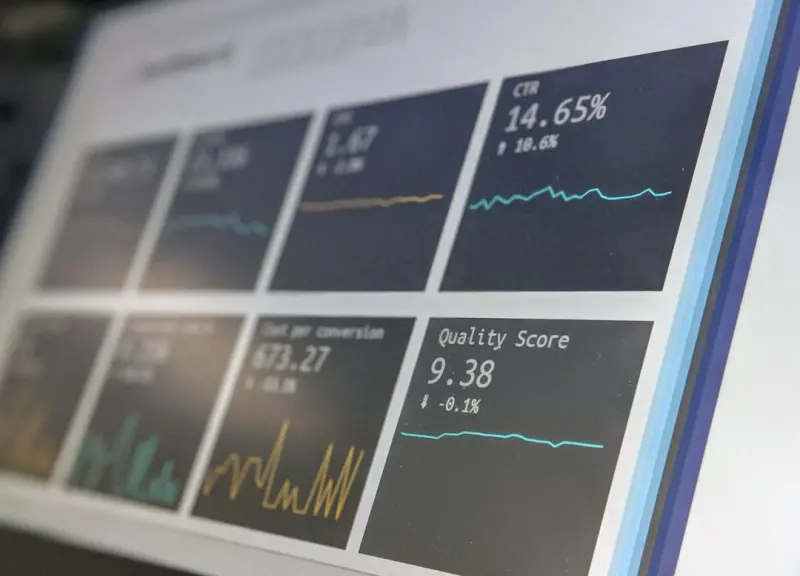
The Quiet Power of Structured Data: Elevating SaaS SEO Beyond Keywords
Structured data is the hidden catalyst that can transform a SaaS website’s search visibility. This article walks you through why schema matters, how to implem...Read More

The Unseen Currents Shaping Modern Society
A deep dive into the invisible forces—technology, sustainability, and authentic community—that are redefining how we live, work, and connect in today's soci...Read More
0 Comments
Post Comment
You will need to Login or Register to comment on this post!