

When I first started writing about cloud architecture and AI‑driven SEO, I never imagined I’d be drafting a piece about the secret lives of my houseplants and the two‑legged humans who think they’re in charge. Yet here we are, and my living room has become a miniature research lab for understanding the most under‑appreciated members of the household: pets. In this deep dive, I’ll blend the curiosity of a data scientist with the heart of a lifelong animal lover to explore how our furry, feathered, and scaled companions are reshaping modern living.
Pets as Unintentional IoT Sensors
Imagine a world where your cat’s purr isn’t just a soothing sound, but a real‑time indicator of indoor air quality. Or where a dog’s wagging tail can predict a spike in your home’s humidity. It sounds like something out of a sci‑fi novel, but the data we already collect from pets—through wearables, smart feeders, and even simple observation—can be harnessed to make our homes smarter.
- Motion‑tracking collars capture activity patterns, which can be cross‑referenced with thermostat data to fine‑tune heating schedules.
- Smart litter boxes monitor weight and health metrics, providing early warnings for potential illnesses.
- Interactive toys log engagement frequency, offering insights into stress levels during remote work hours.
When you start seeing your pet’s daily routine as a data stream, you’re essentially tapping into a low‑cost, high‑frequency Internet of Things (IoT) network that runs on love and a little bit of tech.
The Psychology of Play: What Your Pet Teaches Us About Human Engagement
As someone who’s spent countless hours analyzing micro‑interactions on digital platforms, I can’t help but notice the striking parallels between a well‑designed app and a well‑designed play session with a pet. Both rely on feedback loops, reward timing, and clear, intuitive cues.
Consider a laser pointer game with a cat. The cat chases the light (the trigger), the light darts away (the challenge), and the cat finally lands a paw on the spot (the reward). The cycle repeats, each iteration slightly faster, more precise, and more satisfying. In the digital realm, we replicate this with push notifications, progress bars, and achievement badges. The lesson? Engagement thrives on predictable yet variable rewards.
Applying this to pet care can improve both animal welfare and owner satisfaction. For instance, using a smart feeder that dispenses treats at irregular intervals keeps your dog’s anticipation high, reducing boredom and encouraging healthier eating habits.
Data‑Driven Pet Parenting: From Guesswork to Science
Traditional pet parenting often feels like a series of educated guesses: “Will my cat like the new brand of kibble?” or “Is my rabbit’s grooming schedule sufficient?” By integrating simple data collection tools, you can replace guesswork with evidence‑based decisions.
- Track Nutritional Intake: Apps that log meals alongside activity levels can suggest adjustments to portion sizes, preventing obesity.
- Monitor Behavioral Changes: A sudden increase in a dog’s panting could signal anxiety, prompting a vet check before issues escalate.
- Health Trend Analysis: Wearable data aggregated over months reveals subtle shifts—like a cat’s decreasing jump height—that hint at early arthritis.
These insights not only improve health outcomes but also deepen the human‑animal bond, as owners become more attuned to their companions’ subtle signals.
When Pets Meet Conversational AI
Remember the buzz around the Conversational Content Revolution? It wasn’t just about chatbots for customer service; it was about turning static information into a living dialogue. Apply that to pet care, and you get a virtual assistant that talks to you about your pet’s day.
Picture this: you ask your smart speaker, “How did Bella do on her walk today?” The system pulls data from her GPS‑enabled collar, summarises distance, pace, and any stops at the park, and replies in a friendly tone. Need a reminder? “Schedule Bella’s vet appointment before her next birthday.” The assistant can even suggest training videos based on observed behavior patterns.
This conversational layer turns raw data into a narrative that feels personal, reducing the friction of pet management and encouraging proactive care.
Eco‑Friendly Pet Ownership: The Sustainable Angle
Pet ownership often gets a bad rap for its environmental footprint—think plastic litter bags, single‑use treats, and energy‑hungry heating for aquariums. Yet, by applying the same sustainability lenses we use for SaaS infrastructure, we can dramatically shrink that impact.
- Biodegradable Litter: Switching to plant‑based alternatives cuts landfill waste by up to 70%.
- Smart Energy Management: Automated aquarium heaters that activate only when temperature drops prevent unnecessary electricity consumption.
- Recycled Toy Materials: Brands now offer toys made from reclaimed ocean plastics, merging play with purpose.
By treating pet care as a micro‑ecosystem, we can implement green loops that echo the circular economy models championed in tech industries.
Building a Pet‑Centric Routine for Remote Workers
Remote work has reshaped home dynamics, and pets have taken center stage. While some view a dog’s need for a midday walk as a disruption, it can actually serve as a productivity booster.
Research shows short, purposeful breaks improve focus. A 15‑minute walk with your pup can reset your mental state, leading to deeper work intervals later. Moreover, the presence of a cat curled on your keyboard can serve as a gentle reminder to maintain posture—yes, even your feline can be a wellness coach.
Designing a pet‑centric routine involves:
- Scheduled Play Breaks: Align them with Pomodoro cycles for natural pauses.
- Dedicated Work Zones: Separate spaces for high‑focus tasks and pet interaction to minimize distractions.
- Integrated Tech: Use pet cameras that stream to your desktop, letting you keep an eye on them while you’re in a virtual meeting.
When you treat your pet’s needs as part of your workflow, you create a harmonious environment where both human and animal thrive.
The Future: AI‑Assisted Veterinary Care
Imagine a future where your pet’s health data is analyzed by AI models trained on millions of veterinary records. Early detection of diseases like feline kidney failure or canine heart murmurs could become routine, just like predictive maintenance for servers.
Startups are already piloting platforms that ingest wearable data, blood work, and even video analysis of gait to generate risk scores. Owners receive actionable alerts—“Increase Bella’s water intake; early signs of dehydration detected.” This proactive approach could shift veterinary care from reactive to preventative, saving lives and reducing costs.
Conclusion: Embrace the Data, Love the Chaos
Pets are messy, unpredictable, and wonderfully chaotic. That’s exactly why they’re perfect test subjects for applying data‑driven, human‑first principles. By treating their daily lives as a series of meaningful signals, we can enhance their wellbeing, improve our own productivity, and even make our homes smarter.
So the next time your cat decides to knock a glass off the table at 3 a.m., remember: you’re witnessing a micro‑interaction that, with the right lens, could inform better design—both for your home and for the digital products you build. And maybe, just maybe, you’ll start seeing your pet not just as a companion, but as a low‑cost, high‑impact sensor network that keeps you grounded in the present.

Jim Pearse, a seasoned freelance writer, brings a wealth of knowledge and passion to the world of home and garden. From the intricacies of landscaping to the nuances of interior design, Jim delves into every aspect of creating comfortable, beautiful, and functional living spaces.
Related Posts

Pets: Jody Henderson’s Fresh Take on Modern Pet Care
Jody Henderson shares how smart gear, eco‑friendly choices, and a rebel mindset are reshaping pet ... Read More
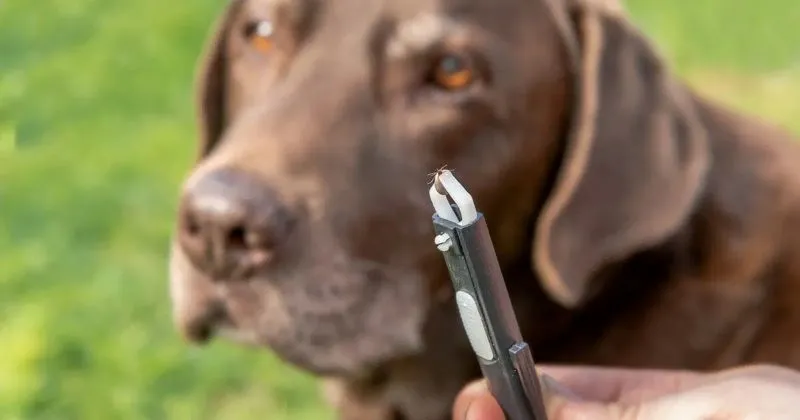
Recognizing the Most Common Clinical Signs of Lyme Disease in Dogs
Lyme disease, or canine borreliosis, stands as one of the most clinically relevant and geographicall... Read More

Smart Pet Tech: Sustainable Gadgets, AI Playmates, and Mindful Joy
Discover how smart collars, AI toys, and sustainable pet gadgets are transforming pet care, offering... Read More
Top Posts

10 Things That Clog Your Drain and What to Do About It?
The gurgle that won't go away, the slow-draining sink, the shower stall that turns into a mini-lake – few household annoyances are as universally frustrating ...Read More

The Sensory Blueprint: Re‑imagining Brand Identity for Remote‑First Experiences
A fresh look at branding beyond visuals, showing how scent, sound, and tactile cues—combined with AI analytics—create memorable, remote‑friendly brand exp...Read More

Smart Glasses Are Inevitable, but They Still Have a Lot to Prove
The concept of smart glasses has been around for several years, with various tech companies experimenting with different designs, features, and functionalities....Read More

A Professional Guide to the Top Scooters for Kids
The scooter is an iconic fixture of childhood, serving not merely as a toy, but as a critical tool for developing balance, coordination, and spatial awareness. ...Read More
0 Comments
Post Comment
You will need to Login or Register to comment on this post!