
When I first held my son on a breezy Saturday morning, the world seemed to pulse with possibilities. The soft hum of his tiny fingers grasping at my shirt sparked a question that has guided every parenting decision since: how can we blend the raw wonder of early childhood with the tools of today’s tech‑savvy world?
Re‑imagining Play: From Simple Toys to Sensory Adventures
Decades ago, a wooden block was the pinnacle of toddler entertainment. Today, the same block can be embedded with subtle lights, gentle vibrations, and even a soft chime that reacts to a child’s touch. This evolution isn’t about flashy gimmicks; it’s about sensory enrichment—the practice of engaging multiple senses simultaneously to boost neural pathways during a critical period of brain development.
Research shows that when toddlers explore textures, sounds, and visual patterns together, they develop stronger language skills, improved motor coordination, and heightened emotional regulation. The key is to curate experiences that are intentionally varied yet safely bounded, allowing children to experiment without feeling overwhelmed.
Tech‑Enabled Play Spaces: The New Nursery
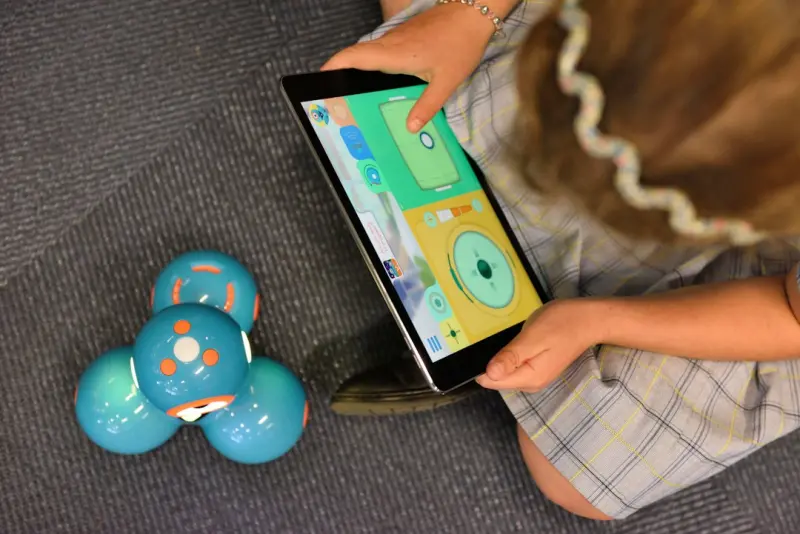
Imagine a nursery that doubles as a learning lab. A wall panel that glows in calming blues when a baby cries, or a floor mat that lights up in response to a toddler’s steps, encouraging movement and balance. These aren’t far‑off fantasies—many forward‑thinking parents are already integrating mobile apps for parents that sync with smart toys to track developmental milestones in real time.
- Connected Mats: Pressure‑sensitive mats provide gentle audio feedback, prompting babies to crawl toward new sounds.
- Smart Cribs: Cribs equipped with motion sensors can alert caregivers to restless sleep patterns, offering soothing lullabies automatically.
- Interactive Projectors: Ceiling projectors cast shifting constellations that react to a child’s hand gestures, turning a simple nightlight into a constellation‑building game.
While the allure of these gadgets can be tempting, the goal remains simple: use technology as a conduit, not a crutch. A well‑designed play space invites curiosity and self‑discovery, while technology quietly records progress and provides subtle nudges when needed.
Balancing Screen Time with Real‑World Exploration
One of the biggest debates in modern parenting circles is the appropriate amount of screen exposure for toddlers. The consensus among pediatric experts is clear: screens should complement, not replace, tactile, hands‑on experiences. Here’s a practical framework to strike that balance:
- Set a Purpose: Every screen moment should have a defined learning goal—whether it’s counting objects, recognizing animal sounds, or exploring a virtual museum.
- Follow the 20‑Minute Rule: Keep digital sessions short, ideally under 20 minutes, to prevent overstimulation.
- Pair with Physical Play: After a video about building blocks, transition to a real‑world building session. This reinforces concepts and bridges virtual and physical learning.
- Use Parental Controls Wisely: Leverage built‑in parental controls to filter content and set time limits, ensuring the tech remains a tool rather than a distraction.
When implemented thoughtfully, screens can introduce toddlers to new vocabularies, global cultures, and scientific wonders—especially when paired with the kind of digital‑first safety blueprint that safeguards both data and physical wellbeing.
DIY Sensory Kits on a Budget
Not every family has the means to invest in high‑tech toys, but sensory play doesn’t require a hefty price tag. Below are three budget‑friendly kits you can assemble with pantry staples and a dash of creativity:
- Texture Treasure Box: Fill a small container with items like dry pasta, cotton balls, rubber bands, and smooth pebbles. Encourage your toddler to explore each texture, describing how they feel.
- Sound Shaker Set: Use empty water bottles, beans, rice, and tiny bells. Seal them tightly and let your child shake each one, discovering the differences in pitch and volume.
- Color Mixing Palette: Combine food coloring with a few drops of water in clear trays. Let toddlers use droppers to blend colors, watching primary hues transform into secondary shades.
These kits not only foster fine motor skills but also nurture curiosity—a foundational trait for lifelong learning. The tactile feedback from each activity stimulates the same brain regions that high‑tech toys target, proving that ingenuity often trumps expense.
Future‑Proofing Your Parenting Toolkit
Just as businesses adopt low‑code tools to accelerate product development, parents can embrace low‑code thinking to customize their child’s learning environment. Here’s how:
- Modular Play Zones: Design spaces with interchangeable components—magnetic tiles, stackable cubes, and adaptable lighting—so the environment can evolve as your child grows.
- Customizable Apps: Use child‑friendly app builders that allow you to create personalized storybooks or simple games without any coding background.
- Data‑Driven Adjustments: Track milestones using simple spreadsheets or note‑taking apps, then tweak activities based on observed interests and challenges.
This approach turns parenting into a dynamic, iterative process—much like agile development—where feedback loops are immediate and solutions are constantly refined.
Community, Connection, and Shared Growth
While technology provides powerful tools, the heart of early childhood development lies in human interaction. Playdates, family story circles, and neighborhood walks offer irreplaceable social learning that no device can emulate. By blending community experiences with tech‑enhanced play, you create a holistic ecosystem that nurtures emotional intelligence, empathy, and cultural awareness.
Local parent groups, online forums, and cooperative toy swaps can further expand your repertoire of ideas, ensuring that the sensory adventures you curate remain fresh, diverse, and inclusive.
Closing Thoughts: Parenting as a Creative Expedition
The journey of raising a toddler today feels like navigating a vibrant, ever‑shifting landscape of possibilities. Every new sensory kit, smart toy, or app is a compass pointing toward deeper engagement, richer learning, and stronger bonds. By staying curious, embracing thoughtful technology, and grounding experiences in real‑world connection, we give our children the best of both worlds—a childhood that feels both timeless and ahead of its time.

Jimmy Anand is a content creator that gets inspired by many aspects of life, internet or whatever inspires him at that moment. When he's not online he's gaming and when he is not gaming he is online trolling discussion boards.
Related Posts

How to Build a Stress‑Free Bedtime Ritual for Babies and Toddlers
Learn how to design a soothing, consistent bedtime ritual that eases your baby or toddler into restf... Read More

Raising Bold, Curious Babies: A Dad’s Playful Blueprint for Toddler Triumph
A tech‑savvy dad shares practical, adventure‑filled parenting hacks that turn everyday moments i... Read More

The Sensory Subscription Box Boom: A New Playbook for Modern Parents
A deep dive into the rise of sensory subscription boxes, highlighting their developmental benefits, ... Read More
Top Posts

The Unstoppable Power of Email Marketing in a Noisy Digital World
Explore why email remains the most effective channel, from data‑driven segmentation to AI‑powered copy, and get actionable tips to boost engagement and ROI....Read More

Curating Personal Soundscapes: How Ambient Audio Transforms Everyday Life
Explore the power of curated ambient audio to reshape daily habits, boost mental well‑being, and create lasting memories—all through simple, intentional sou...Read More

How Family Storytelling Turns Everyday Moments Into Lifelong Skills
Learn how to weave short, meaningful stories into daily routines, turning chores and trips into powerful teaching moments that strengthen confidence, empathy, a...Read More

Tools And Fixings That Every Carpenter Needs
Carpentry is an age-old craft that has evolved over time, adapting to new materials, technologies, and techniques. A skilled carpenter knows that having the rig...Read More
0 Comments
Post Comment
You will need to Login or Register to comment on this post!