
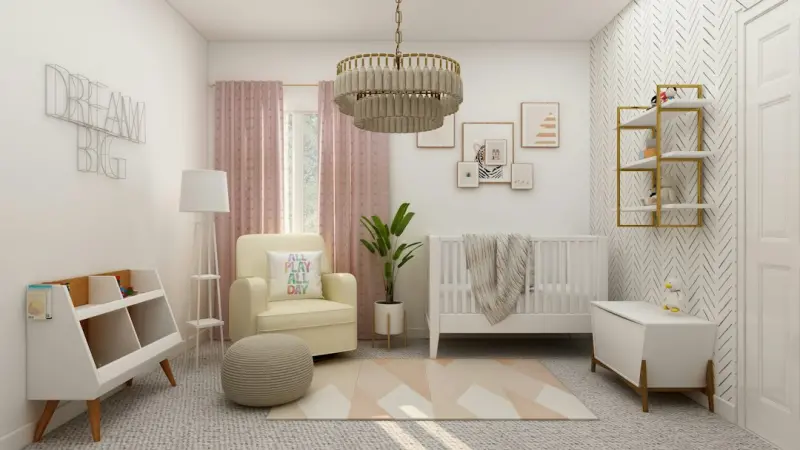
When I first held my newborn, I felt like I’d been handed a tiny, unpredictable startup—full of potential, high stakes, and a need for rapid iteration. The early months quickly taught me that the most valuable “features” I could develop weren’t gadgets or apps, but simple, intentional experiences that shape a child’s emerging mind. In this post I’m sharing a fresh play‑centric framework that flips the traditional checklist on its head. Instead of chasing the latest infant tech, let’s think like product managers building a resilient, delight‑driven product: a thriving, curious toddler.
Why Play‑First Thinking Beats “More Stuff”
Parents today are bombarded with endless rows of toys promising developmental milestones. Yet the research consensus is clear: quality beats quantity. A handful of open‑ended materials—think wooden blocks, textured fabrics, and everyday household items—invite exploration far better than a shelf of purpose‑built “learning” toys that dictate a single outcome.
Key insight: The best play environments are those that let a child experiment, fail, and retry, mirroring the agile loops we champion in SaaS. When you give a toddler the freedom to manipulate an object in multiple ways, you’re essentially running a live A/B test on curiosity, problem‑solving, and motor skills.
The Core Pillars of a Play‑Centric Nursery
- Modularity: Spaces and toys should be reconfigurable, allowing the environment to evolve as the child’s abilities grow.
- Sensory Balance: A mix of visual, tactile, auditory, and proprioceptive inputs keeps the brain engaged without overwhelming it.
- Storytelling Integration: Embedding narratives into the physical space turns ordinary moments into memorable adventures.
- Safety as a Design Feature: Just like any platform, a nursery must be built on a foundation of security—soft edges, non‑toxic materials, and predictable pathways.
1. Modular Play Zones: The “Feature Flag” of Your Home
In software we use feature flags to toggle functionality on and off without redeploying code. In a toddler’s world, modular zones serve the same purpose. A low‑profile shelf can act as a reading nook today and a mini‑stage for pretend play tomorrow.
Start with three interchangeable zones:
- Creative Corner – A sturdy mat, a basket of crayons, paper rolls, and a wooden easel.
- Exploration Area – A soft rug, a set of stackable cups, and a basket of safe household objects (spoons, silicone baking molds, fabric scraps).
- Quiet Retreat – A plush bean‑bag, dimmable soft lighting, and a small bookshelf of tactile board books.
Because each zone can be moved or swapped, you can “release” new experiences as your child hits developmental milestones, without the need for a full home renovation.
2. Sensory Balance: Harnessing Acoustic Calm and Tactile Richness
While many parents focus on visual stimulation, the auditory environment often slips under the radar. Excessive noise can trigger stress hormones, whereas a well‑tuned acoustic backdrop supports focus and self‑regulation.
Consider these three low‑effort upgrades:
- Soft Surface Layers: Add a thick, natural‑fiber rug and plush floor cushions. They dampen footfall and create a gentle, tactile playground.
- Acoustic Panels: Simple wall hangings made from felt or acoustic foam not only reduce echo but also provide a visual cue for “quiet time.” For a design‑savvy spin, read about acoustic upgrades for a calmer nursery.
- Nature Sound Machines: A subtle loop of rainforest or gentle waves can serve as a background “white noise,” helping the brain differentiate between “play” and “rest” states.
Balancing these inputs mirrors the way a well‑designed SaaS platform layers UI, notifications, and background processes to keep users engaged without fatigue.
3. Storytelling Integration: Turning Space Into Narrative
Every great product has a story that users can relate to. For toddlers, stories are the scaffolding on which they build language, empathy, and imagination. The physical environment can become a living storybook.
One effective technique is to weave personal narratives into the décor. For instance, create a “travel wall” where you display small, laminated photos of family trips, each paired with a short caption. As the child grows, you can add new memories, turning the wall into a timeline of adventure.
For inspiration on blending narrative and space, check out personal storytelling in home decor. The principle is the same: use familiar objects to spark curiosity and conversation.
4. Safety as Design: The Zero‑Trust Nursery
In cybersecurity we talk about zero‑trust models—never assume safety, always verify. Apply this mindset to the nursery by treating every element as a potential risk until proven otherwise.
- Use non‑toxic paints and finishes that meet stringent safety standards.
- Secure heavy furniture to walls with anti‑tip brackets.
- Round all sharp corners with silicone protectors.
- Keep cords and small detachable parts out of reach; store them in locked drawers.
By building safety into the design phase, you avoid costly retrofits—just as you would patch a vulnerable codebase before a breach occurs.
5. Iterative Play: The Feedback Loop
Observe, measure, and adapt. When a toddler repeatedly ignores a particular toy or zone, treat that as a signal to either redesign the element or replace it. Keep a simple play‑log:
- What activity was attempted?
- How long did the child stay engaged?
- What emotions were observed (joy, frustration, curiosity)?
These notes become your “analytics dashboard.” Over weeks, patterns emerge—perhaps your child loves stacking but not sorting. Use those insights to introduce new challenges that build on existing strengths.
6. Scaling the Play Experience Beyond Home
Just as SaaS products scale across devices, a toddler’s play ecosystem should extend to the community. Organize low‑key “play swaps” with neighbors: each family brings a handful of open‑ended toys, rotating them weekly. This not only reduces clutter but also introduces fresh stimuli, encouraging social interaction and resourcefulness.
Outdoor spaces are another natural scaling avenue. Even a balcony can become a “mini‑garden” with potted herbs, a small sandbox, and a weather‑proof sensory board. The key is to maintain the same design principles—modularity, safety, and narrative—regardless of setting.
7. The Role of Parents as “Product Managers”
In the agile world, product managers prioritize features based on user value and technical feasibility. As a parent, you become the steward of your child’s developmental “backlog.” Prioritize experiences that:
- Foster independence (e.g., low shelves they can reach).
- Encourage problem solving (e.g., puzzles with multiple solutions).
- Build emotional intelligence (e.g., story corners that explore feelings).
Remember, it’s okay to “deprecate” toys that no longer serve a purpose. A tidy, purposeful environment is more conducive to focus than a cluttered one.
Putting It All Together: A Sample Week of Play‑Centric Activities
Here’s a concrete illustration of the framework in action. Feel free to adapt the schedule to your family’s rhythm.
- Monday – Sensory Exploration: Lay out a tray with dried beans, water beads, and smooth stones. Let the child experiment with scooping, pouring, and feeling textures.
- Tuesday – Story Corner: Choose a board book about a family road trip. Read together, then pull out the travel wall photos to connect the narrative to real memories.
- Wednesday – Acoustic Calm: Turn off background TV, dim the lights, and play a soft rain sound. Offer a plush bean‑bag and encourage quiet observation.
- Thursday – Modular Build: Rearrange the Creative Corner into a “pretend kitchen” using a wooden cutting board, safe plastic bowls, and a cloth “napkin.”
- Friday – Outdoor Mini‑Garden: Together plant a tiny basil seed in a pot. Talk about growth cycles, watering, and the importance of sunlight.
- Saturday – Play Swap: Host a neighborhood swap where each child brings one favorite open‑ended toy. Rotate and observe which new items spark interest.
- Sunday – Reflection & Log: Review your play‑log notes, celebrate wins, and plan any needed adjustments for the coming week.
By cycling through varied experiences while keeping the core design principles steady, you create a resilient, evolving learning ecosystem—much like a product that continuously delivers value.
Final Thoughts: From Crib to Curiosity Engine
Building a thriving early‑life environment isn’t about the flashiest gadget or the most expensive brand. It’s about intentional design—creating spaces where a toddler can experiment, narrate, and feel safe, all while the parent acts as a thoughtful product manager steering the experience toward growth.
When you treat each play session as an iteration, every giggle, sigh, and triumphant “I did it!” becomes data that informs the next version of your child’s world. The result? A curious, resilient little human who approaches life the way a well‑designed SaaS platform approaches its users: with empathy, adaptability, and a relentless focus on delight.

Jim Pearse, a seasoned freelance writer, brings a wealth of knowledge and passion to the world of home and garden. From the intricacies of landscaping to the nuances of interior design, Jim delves into every aspect of creating comfortable, beautiful, and functional living spaces.
Related Posts
Raising Tiny Trendsetters: A Rebel Dad’s Guide to Modern Baby & Toddler Parenting
A rebel dad shares his 2024 playbook for raising stylish, resilient toddlers—balancing tech, ecoâ€... Read More

Designing a Sensory‑Smart Nursery That Grows With Your Child
A step‑by‑step guide to building a sensory‑smart nursery, blending design, development science... Read More

How Subscription Boxes Are Revolutionizing Baby Sensory Play
Subscription boxes for babies deliver expertly curated sensory tools straight to your door, blending... Read More
Top Posts

Beyond the Grain: Unpacking the Nutritional Benefits of "Nuts" and Their Health Benefits
The term "nut" often conjures images of familiar favorites like almonds, walnuts, and peanuts. These crunchy snacks are widely celebrated for their health-promo...Read More

How to use Cloudflare to secure your website
Protecting your website is vital in today's threat-filled digital landscape. By using Cloudflare, you can leverage a powerful suite of tools to enhance your sit...Read More

Micro‑Influencer Coalitions: How Small Creators Can Outperform Big Budgets
Learn how coordinated micro‑influencer networks can surpass big‑budget campaigns, driving genuine engagement, measurable ROI, and lasting brand loyalty....Read More

Managed WordPress Hosting: The Headless Catalyst for B2B SaaS Growth
Managed WordPress hosting provides the edge‑first performance, security, and operational simplicity needed to turn WordPress into a powerful headless CMS, acc...Read More
0 Comments
Post Comment
You will need to Login or Register to comment on this post!