Reimagining the Classroom as a Living Lab
When I first stepped into a school that treated the hallway, the cafeteria, and the playground as extensions of the curriculum, I felt the pulse of a learning ecosystem that refused to be confined by four walls, a place where curiosity could wander as freely as students themselves; this shift from static desks to dynamic environments invites learners to interrogate real‑world problems in the very spaces they inhabit, turning everyday moments into teachable episodes. The core idea is simple yet revolutionary: every facet of the school becomes a laboratory for inquiry, allowing pupils to gather data on plant growth in the garden, calculate waste reduction in the lunch line, or map community demographics during a field walk, thereby weaving relevance directly into the fabric of instruction. By positioning the classroom as a living lab, educators nurture a mindset that values observation, iteration, and interdisciplinary thinking, cultivating students who see learning not as a separate activity but as an ongoing, immersive experience.
Student Agency: From Passive Recipients to Co‑Creators
In my years of teaching, I’ve watched the transformation that occurs when learners are granted genuine ownership over their projects, and the difference is palpable; instead of merely following a prescribed syllabus, students begin to draft inquiry questions, select resources, and set milestones that resonate with their personal passions, which in turn fuels intrinsic motivation and deepens comprehension. This empowerment is not about abandoning structure but about redesigning scaffolds so that guidance is offered at the point of decision‑making, allowing learners to experiment, fail, and refine their approaches while teachers act as mentors rather than lecturers. The result is a classroom buzzing with accountability, where students proudly present their findings, critique peers, and iteratively improve, creating a culture where agency becomes the engine that drives sustained academic growth.
Play‑Based Pedagogy in a Hybrid World
Integrating play into lessons does not mean swapping rigorous content for games; rather, it involves harnessing the natural propensity of children to explore through imagination, role‑play, and problem‑solving, especially when learning is split between physical and virtual spaces, a reality many schools now navigate. By designing challenges that require collaboration in breakout rooms, digital scavenger hunts that align with textbook concepts, and hands‑on simulations that can be mirrored in the classroom, educators create a seamless bridge that keeps engagement high regardless of the medium, while also developing critical thinking, communication, and resilience. When play is purposefully embedded, it transforms the hybrid model from a logistical compromise into a fertile ground for creativity, ensuring that learning remains vibrant whether students are seated at a desk or logged in from home.
Embedding Emotional Intelligence Through Narrative
Stories have always been the glue of human connection, and when teachers weave narrative arcs that mirror students’ emotional journeys, they lay the groundwork for empathy, self‑awareness, and interpersonal skill development that extend far beyond academic metrics. By inviting learners to craft personal anecdotes tied to historical events, scientific discoveries, or literary themes, educators create a reflective space where pupils can examine motivations, confront biases, and practice active listening, all while reinforcing content knowledge in a memorable format. This dual focus on cognition and affect nurtures well‑rounded individuals who can articulate their feelings, negotiate conflicts, and collaborate effectively, traits that are increasingly essential in today’s complex social landscape.
Assessment That Grows With the Learner
Traditional testing often captures a snapshot of knowledge, but I advocate for assessment models that evolve alongside students, providing continuous feedback loops that inform both instruction and personal growth; portfolio‑based evaluations, iterative drafts, and peer‑review cycles allow learners to demonstrate progress over time rather than a single moment of performance. By setting transparent rubrics that emphasize process, creativity, and reflection, educators empower students to set realistic goals, track improvements, and celebrate milestones, turning assessment into a motivational tool rather than a punitive checkpoint. This dynamic approach not only reduces anxiety but also cultivates a growth mindset, where learners view challenges as opportunities to refine their skills and deepen understanding.
Technology as a Support, Not a Stage
When I first experimented with digital tools that seamlessly integrated into lesson flow, I realized that technology’s greatest value lies in its ability to amplify pedagogy without eclipsing the human element, a principle echoed in Embracing Tech: How Tech Can Thrive When We Hit Pause. Instead of using apps as the centerpiece of instruction, I now select platforms that automate routine tasks—such as attendance, data collection, or resource organization—thereby freeing up mental bandwidth for richer discussions, collaborative problem‑solving, and individualized feedback. By treating tech as a quiet partner, educators maintain authentic connections, ensure equitable access, and create a learning environment where the focus remains on critical thinking rather than screen time.
Community Partnerships: Learning Beyond Four Walls
Connecting classrooms with local businesses, nonprofits, and cultural institutions transforms education into a civic practice, inviting students to apply academic concepts to real‑world challenges while fostering a sense of belonging within their neighborhoods. These partnerships can manifest as mentorship programs, service‑learning projects, or joint research initiatives that align curriculum standards with community needs, providing authentic contexts for mathematics, science, and humanities lessons. When learners see the tangible impact of their contributions—whether they’re designing a sustainable garden for a community center or developing a marketing plan for a small retailer—they develop confidence, social responsibility, and a clearer vision of how education can serve the greater good.
Teacher Well‑Being as a Catalyst for Innovation
My experience has shown that when educators prioritize their own mental and physical health, they become more open to experimentation, risk‑taking, and creative problem‑solving, a truth reflected in the insights from Why Slowing Down Revitalizes Modern Relationships; a rested teacher is better equipped to model resilience, curiosity, and empathy for their students. Schools that embed wellness practices—such as dedicated planning time, peer coaching circles, and mindful breaks—observe not only reduced burnout but also heightened instructional quality, as teachers feel empowered to try novel strategies without fear of fatigue. By fostering a culture where self‑care is viewed as professional development, institutions lay the foundation for sustained innovation and a thriving learning community.
Putting It All Together: A Blueprint for the Next Generation
Combining a living‑lab mindset, student agency, purposeful play, narrative‑driven emotional learning, evolving assessment, mindful technology use, community collaboration, and teacher wellness creates a holistic framework that prepares learners for an unpredictable future while honoring their humanity; this integrated approach ensures that education is not a static transmission of facts but a dynamic, responsive ecosystem. Implementing these practices requires intentional leadership, ongoing professional development, and a willingness to iterate based on feedback, much like any robust design process, yet the payoff is a vibrant learning environment where curiosity flourishes, relationships deepen, and both students and educators thrive. As we collectively reimagine schooling, this blueprint offers a concrete pathway toward an education system that is adaptable, inclusive, and truly student‑centered.

Karen Edwards is a seasoned freelance writer with a passion for all things furry, feathered, and scaled. With a dedicated focus on pets, she brings a wealth of knowledge and a keen eye for detail to her writing.
Related Posts

Learning at the Speed of Insight: Adaptive Platforms Redefine Corporate Upskilling
Adaptive learning platforms blend analytics, AI, and semantic clustering to deliver real‑time, per... Read More
When Curiosity Leads the Classroom: A Fresh Take on Modern Learning
A new perspective on education that puts curiosity first, empowers student voice, reimagines assessm... Read More
Bridging the Gap: A Professional Guide to Supporting Your Child's Mathematical Success
The relationship between a student and mathematics is often complex. For many children, math represe... Read More
Top Posts
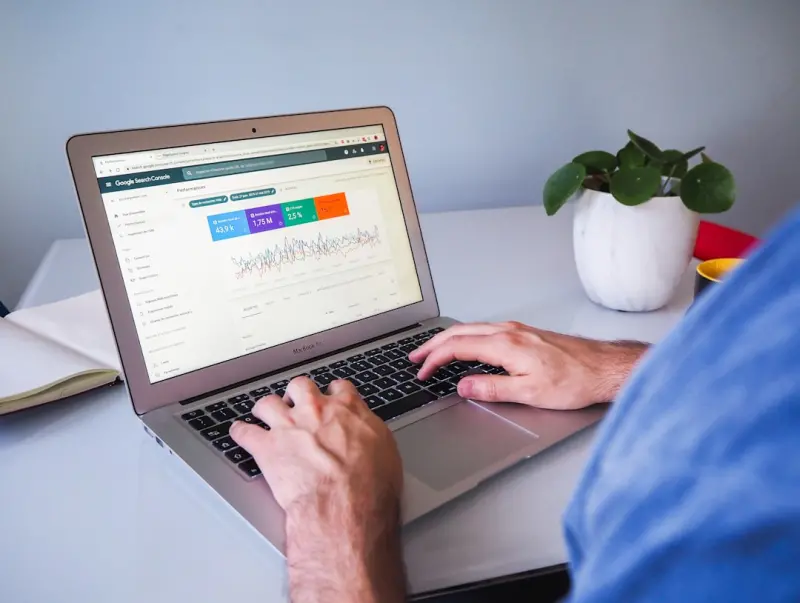
Turn Your SaaS Knowledge Base into an SEO Powerhouse
Discover a step‑by‑step strategy to turn your SaaS knowledge base into an SEO magnet, driving organic traffic, reducing support tickets, and increasing tria...Read More
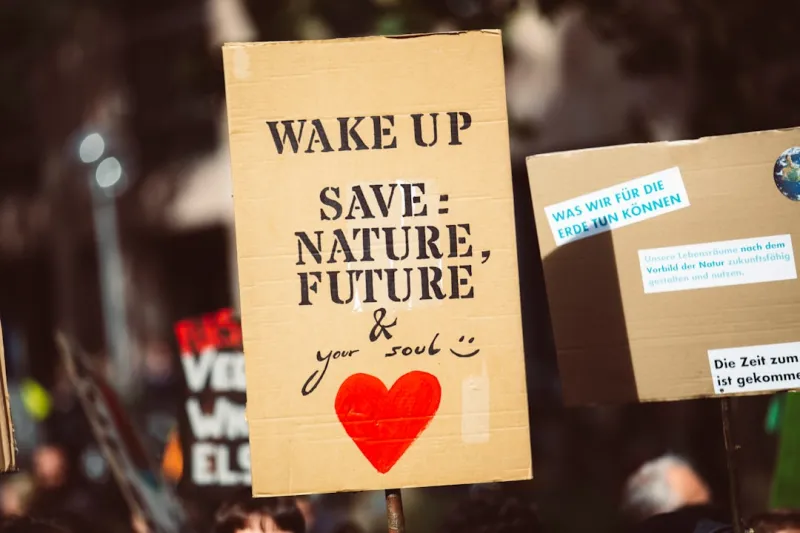
The Future of Education: How Sustainable Living is Revolutionizing the Classroom
Sustainable living is revolutionizing education. Learn how eco-friendly practices are transforming the classroom and promoting social responsibility....Read More
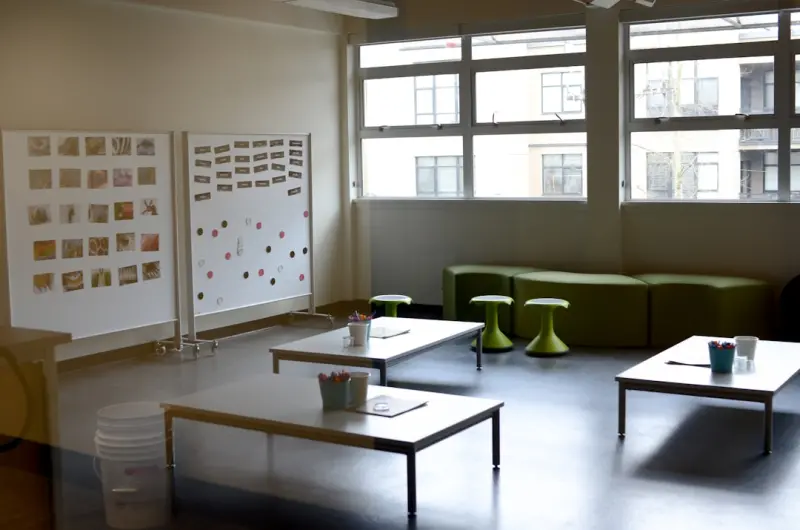
Designing Spaces That Feel: A Sensory‑First Approach to Interior Design
A deep dive into sensory‑first interior design, showing how intentional lighting, soundscapes, textures, and biophilic elements create spaces that nurture wel...Read More

Credential Stacking: The New Blueprint for Lifelong Learning
Credential stacking lets professionals assemble bite‑sized, verifiable certifications into a coherent skill narrative, offering speed, relevance, and cost‑e...Read More
0 Comments
Post Comment
You will need to Login or Register to comment on this post!