
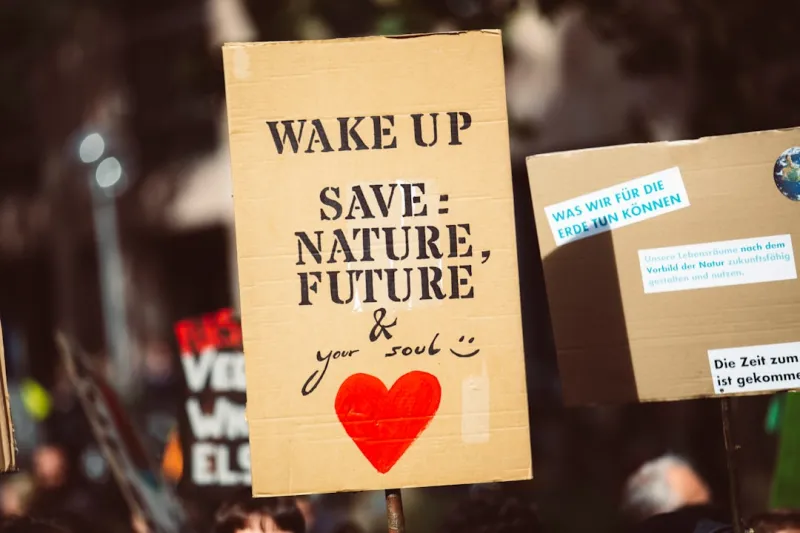
The Future of Education: How Sustainable Living is Revolutionizing the Classroom
As an educator and advocate for sustainable living, I, Rose DesRochers, am excited to explore the ways in which eco-friendly practices are transforming the education sector. From reducing waste and conserving resources to promoting environmental awareness and social responsibility, sustainable living is becoming an integral part of the learning experience. In this article, I will discuss the importance of incorporating sustainable living into education and highlight some innovative approaches to teaching and learning.
The traditional classroom setting often relies on outdated teaching methods and materials that can harm the environment. However, by adopting sustainable practices, educators can create a healthier and more environmentally conscious learning environment. This can involve simple changes such as using recycled materials, reducing energy consumption, and promoting eco-friendly behaviors. For example, schools can implement recycling programs, use energy-efficient lighting, and encourage students to bring reusable water bottles and lunch containers.
The Benefits of Sustainable Education
Incorporating sustainable living into education has numerous benefits for students, teachers, and the environment. By teaching students about sustainable practices, educators can help them develop essential skills such as critical thinking, problem-solving, and collaboration. Sustainable education also fosters a sense of community and social responsibility, encouraging students to become active participants in creating a more sustainable future. Moreover, sustainable education can help reduce the environmental impact of schools, saving resources and minimizing waste.
Sustainable parenting is also an essential aspect of sustainable education. By teaching children about sustainable practices from a young age, parents can help them develop eco-friendly habits that will last a lifetime. This can involve simple activities such as planting trees, reducing energy consumption, and promoting recycling.
Innovative Approaches to Sustainable Education
There are many innovative approaches to teaching and learning that prioritize sustainable living. For example, some schools are incorporating outdoor learning into their curricula, allowing students to connect with nature and learn about environmental systems. Others are using project-based learning to encourage students to develop sustainable solutions to real-world problems. Additionally, some educators are using technology to promote sustainable education, such as online platforms and educational software that teach students about sustainable practices.
Sustainable living is not just about reducing waste and conserving resources; it's also about promoting social justice and human rights. By incorporating sustainable living into education, educators can help students understand the interconnectedness of social, economic, and environmental issues. This can involve teaching students about fair trade, social justice, and human rights, and encouraging them to become active participants in creating a more just and sustainable world.
The Role of Sustainable Living in Education Policy
Sustainable living is not just a moral imperative; it's also a critical component of education policy. Governments and educational institutions must prioritize sustainable education, providing resources and support for educators to develop and implement sustainable curricula. This can involve developing sustainability standards for schools, providing professional development for educators, and encouraging community engagement.
Sustainable marketing is also an essential aspect of sustainable education. By teaching students about sustainable marketing practices, educators can help them understand the role of business in promoting sustainability. This can involve teaching students about eco-friendly products, sustainable packaging, and responsible advertising.
Conclusion
In conclusion, sustainable living is revolutionizing the education sector, transforming the way we teach and learn. By incorporating sustainable practices into education, educators can create a healthier and more environmentally conscious learning environment, promote social responsibility, and foster a sense of community. As educators, policymakers, and individuals, we must prioritize sustainable education, providing resources and support for educators to develop and implement sustainable curricula. Together, we can create a more sustainable future for all.
Some key takeaways from this article include:
* Sustainable living is essential for creating a healthier and more environmentally conscious learning environment. * Incorporating sustainable practices into education can help students develop essential skills such as critical thinking, problem-solving, and collaboration. * Sustainable education can foster a sense of community and social responsibility, encouraging students to become active participants in creating a more sustainable future. * Innovative approaches to teaching and learning, such as outdoor learning and project-based learning, can prioritize sustainable living. * Governments and educational institutions must prioritize sustainable education, providing resources and support for educators to develop and implement sustainable curricula.
By working together, we can create a more sustainable future for all.
The future of education is sustainable, and it's up to us to make it happen.

When it comes to the world of blogging and writing, Rose DesRochers is a name that stands out. Her passion for creating quality content and connecting with her audience has made her a trusted voice in the industry. Aside from her skills as a writer and blogger, Rose is also known for her compassionate nature.
Related Posts

Understanding the Causes of Speech Delay in Children: A Comprehensive Guide
For parents, one of the most exciting developmental milestones is hearing their child utter their fi... Read More
Microlearning: The Quiet Revolution in Corporate Education
Microlearning condenses essential skills into short, purposeful bursts, aligning with modern work ha... Read More
When Curiosity Leads the Classroom: A Fresh Take on Modern Learning
A new perspective on education that puts curiosity first, empowers student voice, reimagines assessm... Read More
Top Posts
Why Slowing Down Revitalizes Modern Relationships
Explore the power of slowing down in love, and learn practical steps to nurture stronger, more authentic relationships....Read More

When Social Media Becomes Your Product Lab
Learn how to transform social media from a broadcasting tool into a real‑time product lab, leveraging micro‑communities, actionable metrics, and developer e...Read More

Why you should get a Doorbell Cam
In an increasingly connected world, where convenience and security are paramount, the concept of home protection has evolved dramatically beyond traditional loc...Read More

Beyond Add‑Ons: How Plugins Are Redefining SaaS Value Chains
Plugins have evolved from optional extras to essential growth drivers. This post explains how SaaS companies can build a thriving marketplace, align incentives,...Read More
0 Comments
Post Comment
You will need to Login or Register to comment on this post!