
The Quiet Re‑Weaving of Social Fabric in a Remote‑First World
When the pandemic turned office cubicles into ghost towns, I expected the social glue that held my team together to snap like a brittle twig. Instead, I watched something surprising happen: colleagues started swapping recipes on Slack, neighborhood parks filled with pop‑up yoga classes, and my teenage niece taught me how to host a virtual board game night for our extended family. It was a reminder that humanity has an uncanny ability to stitch new patterns when the old loom breaks. This article explores how remote work, digital platforms, and a yearning for genuine connection are quietly re‑weaving the social fabric of our societies.
From Physical Hubs to Digital Commons
For centuries, towns squares and coffee shops served as the informal meeting grounds where ideas germinated. Today, the equivalents are Discord servers, community‑focused subreddits, and purpose‑built platforms that let strangers collaborate on shared projects. Unlike the ad‑hoc gatherings of the past, these digital commons are engineered for scalability and inclusivity. They can host thousands of participants without the constraints of geography, and they can be fine‑tuned to surface voices that would otherwise be drowned out in a bustling café.
The Rise of Community‑Owned Platforms
One of the most promising shifts is the emergence of community‑owned platforms—digital spaces where the users themselves hold the governance tokens. This model flips the traditional top‑down approach of tech giants and places power in the hands of the people who actually use the service. By aligning incentives, these platforms foster a sense of ownership that translates into higher engagement and a deeper commitment to the collective good.
Why Adaptive Communities Matter
Building resilient societies isn’t just about creating new meeting places; it’s about nurturing adaptive communities that can pivot as circumstances change. Learning at the Speed of Change: Building Adaptive Communities for Modern Professionals offers a playbook for this very purpose. The core idea is simple: communities that prioritize continuous learning and flexible structures are better equipped to survive economic shocks, climate events, and cultural upheavals.
The Infrastructure Beneath the Social Layer
Behind every thriving digital commons lies a robust technological foundation. Edge‑enabled cloud hosting, for example, reduces latency and improves reliability for users spread across continents. Edge‑Enabled Cloud Hosting: A Flexible, Sustainable Playbook for Modern SaaS outlines how these decentralized data hubs can support community platforms with minimal downtime, ensuring that conversations and collaborations flow uninterrupted.
Designing for Belonging, Not Just Interaction
It’s tempting to think that any platform that lets people chat is automatically fostering community. In reality, belonging requires intentional design. Features like customizable avatars, shared rituals (such as weekly “show‑and‑tell” sessions), and transparent moderation policies signal that a space values each participant’s identity. When members feel seen, they invest more emotionally, turning casual interactions into lasting relationships.
The Social Capital Economy
Social capital—trust, reciprocity, and shared norms—has traditionally been an intangible, hard‑to‑measure asset. Today, blockchain‑based reputation systems are quantifying it, allowing contributors to earn tokens for mentorship, content creation, or community stewardship. This monetization of goodwill doesn’t diminish its value; rather, it creates new pathways for people in underrepresented regions to earn a living by contributing to the global knowledge pool.
Intergenerational Bridges in Virtual Spaces
One of the most heartening outcomes of the remote‑first shift is the bridging of generational gaps. Grandparents can now join virtual book clubs, while teenagers teach their elders how to navigate NFT marketplaces. These exchanges enrich both sides: older participants share historical context and wisdom, while younger members bring fresh perspectives and digital fluency. The result is a richer tapestry of shared experiences that transcends age.
Re‑imagining Public Spaces for a Hybrid World
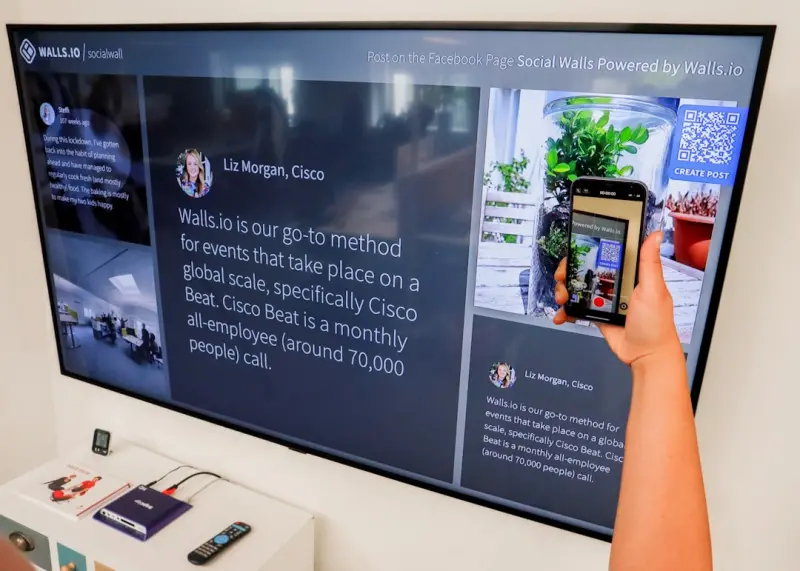
Physical public spaces aren’t disappearing; they’re evolving. Cities are experimenting with “digital overlays” that integrate QR codes, AR experiences, and community bulletin boards into parks and transit stations. Imagine strolling through a downtown plaza and scanning a QR code to join a neighborhood’s virtual town hall, or using AR glasses to see live polls about local zoning proposals. These hybrid spaces blur the line between offline and online, reinforcing the idea that community is a continuum, not a binary.
Challenges: Echo Chambers and Digital Fatigue
No discussion of digital community would be complete without acknowledging its pitfalls. Echo chambers can amplify misinformation, and the constant barrage of notifications can lead to digital fatigue. Solutions lie in platform design that encourages exposure to diverse viewpoints—such as algorithmic nudges that surface contrary opinions—and in promoting digital well‑being practices, like scheduled “offline hours.”
Case Study: A Remote‑First Company’s Social Blueprint
At the tech firm I consulted for last year, we rolled out a “Community First” policy. Employees were encouraged to allocate 5% of their workweek to join interest‑based groups ranging from “Urban Gardening” to “Open‑Source Advocacy.” The company partnered with a community‑owned platform to host these groups, providing each with its own governance token. Within six months, employee turnover dropped by 12%, and cross‑departmental collaboration on product ideas increased by 30%.
Future Outlook: The Decentralized Social Contract
Looking ahead, the social contract between individuals, corporations, and governments will be renegotiated on decentralized terms. As citizens demand more agency over their data and the narratives that shape them, platforms that empower user governance will become the norm rather than the exception. The societies that thrive will be those that embrace this shift, fostering ecosystems where technology amplifies human connection rather than replacing it.
Takeaways for Leaders and Citizens Alike
- Invest in adaptive community building. Prioritize learning loops and flexible governance structures.
- Leverage edge‑enabled infrastructure. Ensure your digital commons are fast, reliable, and sustainable.
- Design for belonging. Create rituals, transparent policies, and personalization features that make participants feel seen.
- Bridge generations. Facilitate mentorship exchanges that harness the strengths of every age group.
- Address echo chambers. Use algorithmic nudges and digital‑wellness practices to maintain a healthy discourse.
Society is in the midst of a quiet revolution. The tools we build today will either fragment us further or weave us tighter together. By consciously shaping digital commons that honor human needs—trust, recognition, and shared purpose—we can ensure that the next chapter of social evolution is one of inclusion, resilience, and collective joy.

Dale Peterson is a freelance writer with a passion for technology, travel, law and personal finance. With 10 years of experience crafting compelling and informative content, he's dedicated to delivering high-quality writing for Blogging Fusion that engages audiences and achieves specific goals.
Related Posts

Rethinking: How Speed Shapes Modern Society
A deep dive into the mindset’s impact on society, from politics to personal connections, and how t... Read More

When Neighborhoods Go Digital: Re‑imagining Community in a Connected World
A deep dive into the rise of purpose‑driven micro‑communities, how privacy‑first technology fu... Read More
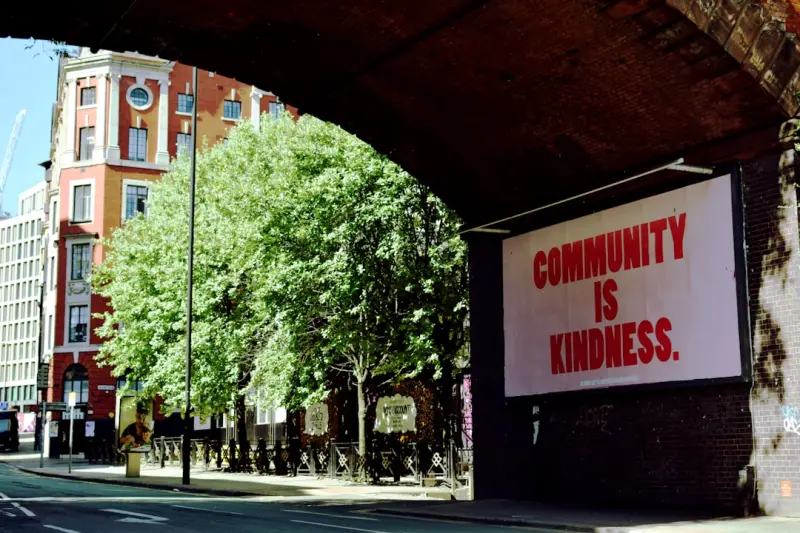
Reimagining Community: The Rise of Pop‑Up Public Spaces
Pop‑up public spaces turn vacant city spots into vibrant community hubs, using smart tech and incl... Read More
Top Posts
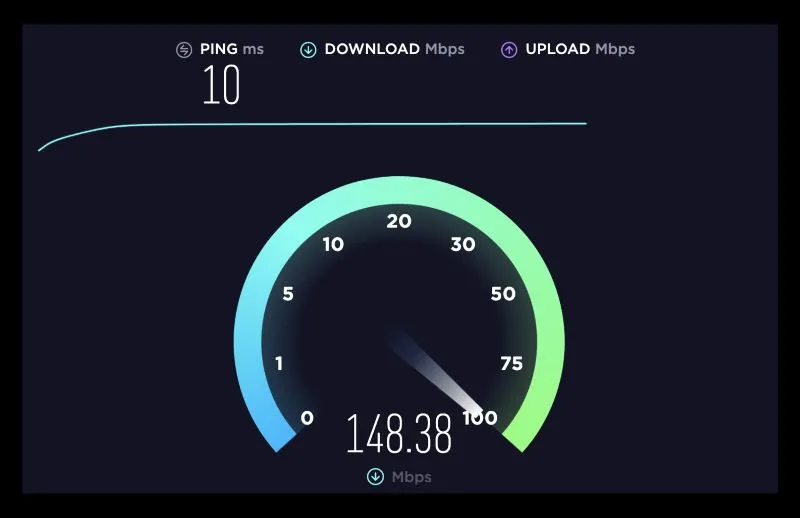
Is Your VPN Chopping Your Internet Speed in Half? Here's How to Find Out
With many opting to use Virtual Private Network (VPN) as it has evolved from a niche tool for corporate connectivity into an essential layer of personal and pro...Read More

Predictive Maintenance: Turning Your Appliances Into Proactive Partners
Explore the rise of predictive maintenance in home appliances, learning how smart sensors, AI, and seamless integration can save you money, energy, and unexpect...Read More

Raising Tiny Trendsetters: A Rebel Dad’s Guide to Modern Baby & Toddler Parenting
A rebel dad shares his 2024 playbook for raising stylish, resilient toddlers—balancing tech, eco‑friendly choices, and mindful parenting for today’s famil...Read More

Playful Innovation: How Immersive Tech Is Rewriting Childhood
A deep dive into the rise of augmented reality, programmable robotics, and maker kits shows how modern toys blend physical and digital worlds, empowering kids a...Read More
0 Comments
Post Comment
You will need to Login or Register to comment on this post!