

Why the Toy Industry Is Finally Listening to Kids (and the Planet)
When I was a kid, the only “green” thing in my toy box was a plastic dinosaur that had never been recycled. Fast forward to today, and the shelves of major retailers are bursting with biodegradable blocks, solar‑powered cars, and playsets crafted from reclaimed wood. The shift isn’t just a marketing gimmick—it’s a profound cultural pivot driven by three forces: a new generation of environmentally conscious parents, the resurgence of tactile, open‑ended play, and a tech‑savvy crowd that refuses to let sustainability be an afterthought.
The Parent‑Driven Demand Surge
Parents today are bombarded with data. From carbon‑footprint calculators to supply‑chain transparency reports, it’s easier than ever to see the environmental impact of everyday purchases. When a toddler’s building set arrives in a cardboard box printed with soy‑based inks, that’s not a novelty; it’s a badge of honor. Research shows that families who prioritize sustainability are willing to pay up to 30% more for products that align with their values. This isn’t a niche market—it’s a mainstream shift that is reshaping product development pipelines from concept to shelf.
Open‑Ended Play: The Antidote to Screen Fatigue
Screen fatigue is real. Kids spend an average of four hours a day on devices, and the mental toll is becoming a hot topic among pediatricians and educators alike. What’s emerging as the antidote? Toys that don’t need batteries, Wi‑Fi, or software updates—yet still feel modern. Think of modular wooden kits that snap together in infinite configurations, magnetic tiles that teach basic engineering principles, or kinetic sand that encourages sensory exploration without a single piece of plastic.
These analog experiences are not a step back; they are a step forward. They give children the freedom to create narratives without pre‑scripted outcomes, fostering imagination, problem‑solving, and fine‑motor development. The best part? They’re often made from renewable or recycled resources, marrying the “green” agenda with the cognitive benefits of tactile play.
Tech‑Enabled Sustainability: When Innovation Meets Responsibility
It would be a mistake to think sustainability means “no technology.” On the contrary, the most exciting toys today are those that blend eco‑friendly materials with clever engineering. A tiny solar‑powered robot that roams the backyard, recharging under the sun, teaches kids about renewable energy while sparking curiosity. Another example is a nature‑sound interactive board that uses biodegradable speakers to play forest ambiances, encouraging outdoor exploration without the carbon cost of electronic gadgets.
These hybrid toys embody a philosophy: technology should amplify, not dominate, the play experience. By embedding sustainability into the design process—whether through low‑energy Bluetooth modules or compostable casings—manufacturers are delivering products that feel futuristic while staying grounded in ecological reality.
From Supply Chain to Shelf: How Companies Are Redesigning Their Play
Behind every green toy is a complex supply chain overhaul. Manufacturers are sourcing bamboo, hemp, and mycelium‑based composites, which not only reduce reliance on petroleum‑derived plastics but also often grow faster and require fewer resources. Packaging is undergoing a renaissance as well, with many brands opting for 100% recycled cardboard, plant‑based inks, and even seed‑embedded sleeves that can be planted after use.
But redesign isn’t limited to materials. Companies are rethinking the product lifecycle. Take the “take‑back” programs that allow families to return worn‑out toys for recycling or upcycling. Some firms partner with NGOs to ensure that returned items are transformed into educational kits for under‑privileged schools, closing the loop and creating a social impact that resonates with today’s value‑driven consumers.
Case Study: The Rise of Community‑Sourced Toy Design
One of the most compelling developments is the emergence of community‑driven design platforms where parents, educators, and kids co‑create prototypes. These platforms use crowdsourced feedback to iterate designs quickly, ensuring that the final product meets real‑world needs and preferences. The result? Toys that are not only greener but also more attuned to the developmental stages of children.
For instance, a recent project invited families to submit ideas for a “zero‑waste” building block set. The winning design incorporated reclaimed ocean plastic mixed with a bio‑resin binder, producing a set that was both sturdy and fully recyclable. The community involvement created a sense of ownership, driving brand loyalty and word‑of‑mouth marketing that no traditional ad campaign could match.
Challenges on the Path to Sustainable Play
Despite the momentum, the journey isn’t without hurdles. First, cost remains a barrier. While the price premium for sustainable toys is shrinking, many small retailers still struggle to stock higher‑margin items. Second, certification complexity can be daunting. Labels like “FSC‑certified” or “B‑Corp” require rigorous audits, and navigating these standards can be intimidating for emerging brands.
Third, there’s the perception gap. Some consumers equate “green” with “less fun.” Overcoming this myth requires compelling storytelling—showcasing the play value, durability, and safety of eco‑friendly toys through authentic, user‑generated content. Brands that succeed will blend transparency with engaging narratives, turning sustainability into a core part of the brand identity rather than a side note.
Future Outlook: What’s Next for the Toy Landscape?
Looking ahead, three trends are poised to dominate:
- Biodegradable Electronics: Imagine a toy car whose circuit board dissolves harmlessly after its useful life, eliminating e‑waste.
- AI‑Guided Upcycling: Smart platforms that analyze returned toys and suggest the most efficient recycling pathway, turning waste into new product lines.
- Hybrid Play Ecosystems: Physical toys that sync with augmented reality experiences, encouraging outdoor activity while leveraging digital enrichment.
These innovations will continue to blur the line between analog and digital, while keeping the planet at the center of the conversation. The toys of tomorrow will be as intelligent as they are responsible, delivering joy without compromise.
How Parents Can Lead the Change
Every purchase is a vote. By opting for toys that are built to last, made from renewable resources, and designed with a circular mindset, families can push the industry toward greener practices. Here are three actionable steps:
- Research Brands: Look for transparent supply chains, third‑party certifications, and clear recycling programs.
- Prioritize Longevity: Choose toys that grow with your child—modular sets, timeless designs, and repairable components.
- Participate in Take‑Back Initiatives: Return old toys for upcycling or donate them to programs that give new life to pre‑loved playthings.
When parents champion these values, they not only protect the environment but also model responsible consumption for the next generation—ensuring that the future of play is both imaginative and sustainable.
Conclusion: Play Isn’t Just Fun, It’s a Statement
In a world where every decision carries weight, the toys we bring into our homes speak volumes about the kind of future we envision. Sustainable, open‑ended, and thoughtfully engineered playthings are more than just items on a shelf; they are cultural artifacts that reflect a collective commitment to stewardship, creativity, and resilience. By embracing this new wave of responsible toys, we empower children to explore, imagine, and grow—while safeguarding the planet they’ll inherit.

Shawn DesRochers is a certified Microsoft technician and Programmer with 30+ year's experience. He has written many reviews on computer related products, software, and SEO related topics. When he's not writing reviews he can be found at one of the Oldest Directories Online Blogging Fusion Business Directory which he is the CEO of.
Related Posts
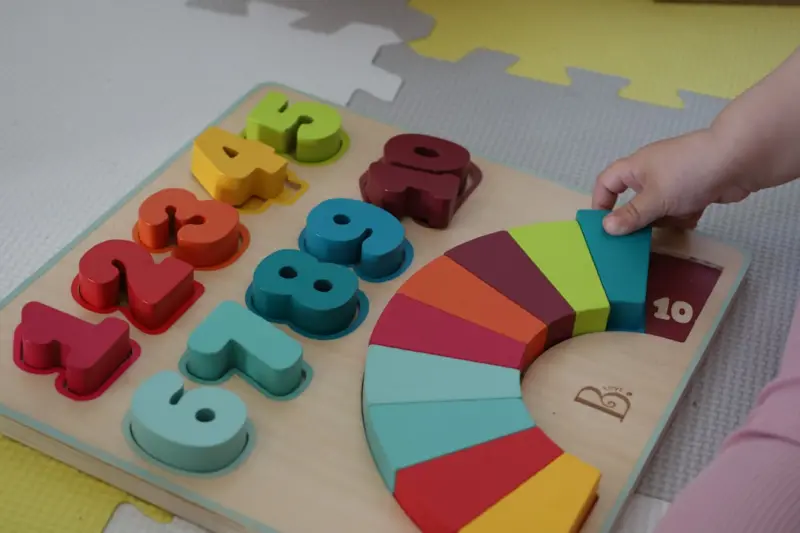
AI‑Powered Play: How Smart Toys Are Shaping Tomorrow’s Innovators
AI‑enabled toys are turning playtime into a personalized learning experience. This post dives into... Read More

The Anticipated Holidays: A Professional Outlook on This Christmas Season's Must-Have Toys
As the festive season approaches, the global toy market enters its most dynamic period, characterize... Read More

Playful Futures: How Sustainable Materials and Smart Tech Are Redefining Toys
A deep dive into the emerging wave of eco‑friendly and AI‑powered toys, highlighting how sustain... Read More
Top Posts
Modular Footwear: Swapping Style, Comfort, and Sustainability in One Step
Modular footwear lets you mix and match shoe components for style, comfort, and sustainability, offering a versatile solution for the modern, eco‑aware consum...Read More
50 Easy Gardening Hacks To Make The Most Out Of Your Garden
Gardening is a source of immense joy, providing fresh produce, vibrant blooms, and a tranquil escape from the daily grind. However, it can also feel daunting, c...Read More
The Future of Productivity: Top Tools to Boost Efficiency
Staying productive is crucial for achieving success in today's fast-paced world. Learn how to maximize efficiency and achieve your goals with the right tools an...Read More

The Role of Sustainable Living in Web Development
Sustainable living practices are critical to the future of web development. Learn how eco-friendly practices can reduce the carbon footprint of digital products...Read More
0 Comments
Post Comment
You will need to Login or Register to comment on this post!