
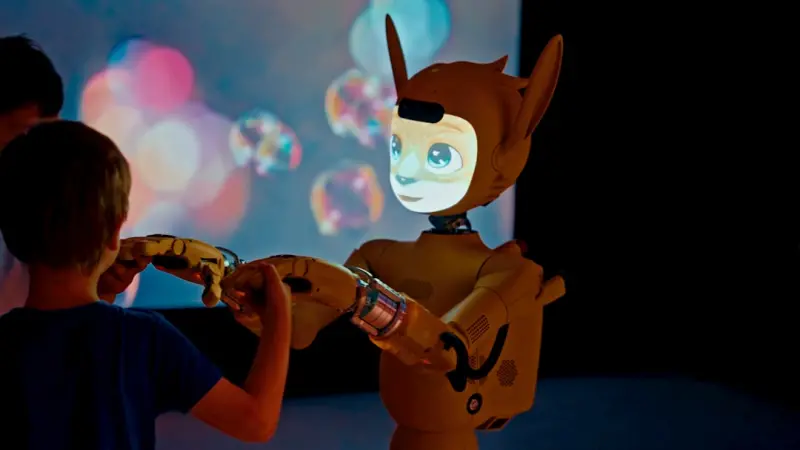
When I was a kid, the most coveted items in the neighborhood were not the latest smartphones or the flashiest sneakers—they were the toys that could transform a dull Saturday afternoon into an adventure. Today, the landscape has exploded with possibilities, yet the core magic remains the same: a well‑designed toy can spark curiosity, foster connection, and even teach lifelong skills. In this piece I’ll explore why the next wave of toys is not just about novelty, but about purpose‑driven design, sustainable materials, and the subtle art of balancing screen‑free play with smart technology.
From Plastic to Purpose: The Sustainability Turn
Parents are increasingly scrutinizing the environmental footprint of the items they bring home. This shift has nudged manufacturers to rethink the very foundations of toy production. Instead of relying on single‑use plastics, many innovators are turning to biodegradable polymers, recycled wood, and even mushroom‑based mycelium. These materials are not only gentler on the planet, they also offer tactile experiences that cheap plastics can’t replicate.
But sustainability alone isn’t enough. A truly responsible toy should also be built to last—both physically and emotionally. Modular designs that grow with a child, or that can be repurposed into new forms, keep the product relevant for years. When a child can deconstruct a building set and rebuild it into a spaceship, the toy transcends its original function and becomes a catalyst for iterative learning.
Intelligent Play: When Toys Talk Back (In a Good Way)
Smart toys have been a buzzword for a while, but the conversation often gets tangled in hype about voice assistants and endless connectivity. The real breakthrough lies in toys that understand context, adapt to a child’s skill level, and provide meaningful feedback without demanding constant screen time.
Take, for example, interactive story cubes that use embedded sensors to detect which side is facing up. The cube then narrates a short tale, prompting the child to act out characters or solve simple puzzles. The feedback loop is immediate, encouraging the child to experiment and iterate—much like a junior version of biofeedback gaming insights that blend physiological data with playful challenges, but without the pressure of performance metrics.
The goal is not to replace human interaction, but to augment it. A smart toy that suggests a new building technique when a child consistently stacks blocks in the same pattern can gently nudge them toward creative problem‑solving, while still leaving space for a parent to join in and celebrate the breakthrough.
Data‑Inspired Design: Learning From the Playground
Behind the scenes, many toy companies are leveraging data analytics to fine‑tune their offerings. By aggregating anonymized usage patterns—how long children interact with a puzzle, which features they revisit, where they abandon a game—designers can identify friction points and iterate faster. This approach mirrors the way content creators use data‑driven storytelling for toys, ensuring that each new version of a product feels more intuitive and engaging than the last.
Crucially, the data collection is transparent and privacy‑first. Parents receive clear dashboards that show what their child is learning, and they can opt‑out at any time. This level of openness builds trust, turning the toy from a mysterious black box into a collaborative learning tool.
Playful Learning: STEM Without the Stigma
STEM toys have often been pigeonholed as “educational” and therefore less fun. The new generation refuses to draw that line. Kits that combine circuitry with storytelling, for instance, let kids program a miniature robot to act out a fairy‑tale quest. The narrative hook keeps the experience playful, while the underlying engineering concepts embed themselves naturally.
Another emerging trend is the use of augmented reality (AR) to overlay scientific concepts onto physical toys. Imagine a dinosaur figurine that, when viewed through a tablet, displays a 3D model of the creature’s skeletal structure, breathing life into paleontology lessons. The AR layer is optional, preserving the tactile joy of the toy while offering a gateway to deeper exploration for curious minds.
Social Play in a Digital Age
One of the biggest concerns for modern parents is the isolation that can come from screen‑centric entertainment. Toys that encourage cooperative play—whether through shared puzzles, synchronized building challenges, or collaborative storytelling—serve as antidotes to that trend.
Consider a set of magnetic tiles that light up when two children place matching colors side by side. The visual cue prompts them to discuss patterns, negotiate placements, and celebrate each other’s successes. These moments of shared achievement reinforce social skills and emotional intelligence without a single notification popping up.
Unplugged Moments: The Power of Intentional Play
While technology enriches the toy ecosystem, there’s still undeniable value in completely unplugged experiences. Simple wooden blocks, fabric dolls, or hand‑crafted puzzles invite children to imagine, create, and explore without any digital mediation. Unplugged parenting strategies highlight how these low‑tech moments can strengthen family bonds and sharpen attention spans.
The key is balance. A well‑rounded playroom might feature a blend of smart and analog toys, each serving a distinct purpose: the smart toy as a catalyst for adaptive learning, the analog toy as a canvas for limitless imagination. When parents curate this mix thoughtfully, they empower children to transition smoothly between the two realms, building adaptability that will serve them throughout life.
Design for Inclusivity: Toys That Speak Every Language
Inclusivity is no longer an afterthought. Designers are embedding features that cater to diverse abilities and cultural backgrounds. Braille‑embossed blocks, adjustable sound levels, and multilingual audio prompts are becoming standard rather than niche. By making toys accessible, creators open the door for every child to participate fully, fostering a sense of belonging from the earliest interactions.
Moreover, representation matters. Toys that reflect a spectrum of ethnicities, body types, and family structures help children see themselves and others in the play narrative. This subtle affirmation builds empathy and reduces bias long before formal education begins.
The Business Angle: Why Brands Should Care
From a commercial perspective, the convergence of sustainability, smart technology, and inclusive design creates a compelling value proposition. Brands that can demonstrate authentic commitment to these principles often enjoy higher loyalty, premium pricing power, and stronger word‑of‑mouth referrals.
Investors are also taking note. Companies that embed data‑centric product development and transparent privacy practices are viewed as lower risk, given the rising regulatory scrutiny around children’s data. Aligning product roadmaps with these expectations not only future‑proofs the business but also builds a reputation as a responsible market leader.
Looking Ahead: The Playful Horizon
What does the future hold for toys? I see three converging forces shaping the next decade:
- Materials Innovation: Biodegradable composites, recycled ocean plastics, and even 3D‑printed biodegradable fibers will become mainstream, reducing waste and expanding design possibilities.
- Adaptive Intelligence: Toys will increasingly use edge‑AI to process interactions locally, delivering personalized experiences without constant cloud reliance.
- Community‑Driven Evolution: Open‑source toy platforms will empower parents, educators, and kids to co‑create extensions, mods, and new storylines, turning the product into an evolving ecosystem.
When these trends intersect, the humble plaything transforms into a dynamic learning companion—one that respects the environment, celebrates diversity, and adapts to each child’s unique journey.
In my own household, the newest addition to our play shelf is a set of modular wooden gears equipped with tiny, detachable sensors. My daughter can build a simple clock, watch it tick, and then experiment with different gear ratios to speed it up or slow it down. The sensor logs her adjustments, and later, the companion app offers gentle suggestions on how to create a music box or a wind‑up car. It’s a perfect illustration of the balance I champion: a tactile, sustainable foundation enhanced by smart feedback that encourages curiosity without dictating it.
Whether you’re a parent, educator, or toy manufacturer, the message is clear: the most resonant toys are those that honor the timeless joy of play while thoughtfully integrating the tools of our modern world. By placing purpose, sustainability, and adaptability at the heart of design, we can ensure that the next generation inherits not just a collection of objects, but a toolbox for imagination, learning, and connection.

David Moore is a freelance writer specializing in two dynamic and ever-evolving fields: gambling and the tech industry. With a keen eye for detail and a knack for unraveling complex topics, David delivers insightful and engaging content that keeps readers informed and entertained.
Related Posts
The Evolution of Eco-Friendly Toys: A Sustainable Approach to Playtime
The toy industry is evolving with a growing emphasis on sustainability and eco-friendliness. Learn h... Read More
The Evolution of Toys: How Playtime Has Changed Over the Years
The toy industry has undergone significant changes over the years, from traditional dolls and action... Read More
A Professional Guide to the Top Scooters for Kids
The scooter is an iconic fixture of childhood, serving not merely as a toy, but as a critical tool f... Read More
Top Posts

Why a Driving Business Could Be Right for You
In an increasingly dynamic economy, the allure of entrepreneurship beckons many, promising autonomy, flexibility, and the direct correlation between effort and ...Read More
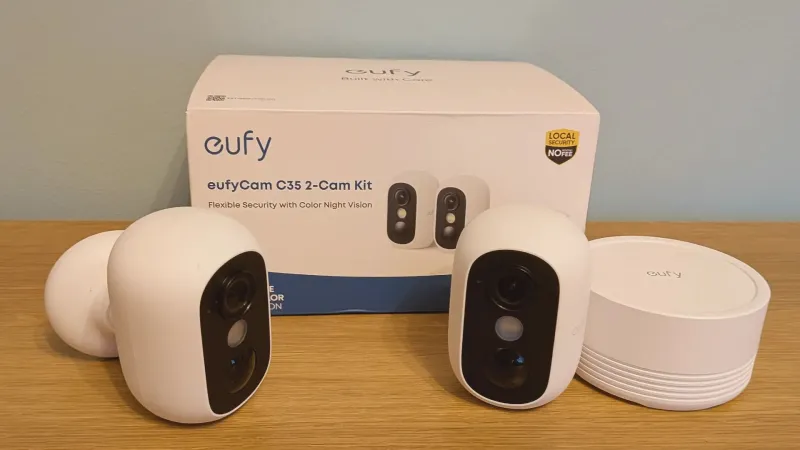
This Small Security Camera Is My New Favorite No-Subscription Choice
For years, the smart home security market has operated on a "razor and blade" business model. We buy the hardware—often at a premium—only to realize that th...Read More

Skill-Based Gaming Revolutionizes Betting
Skill‑based gaming is turning gambling into an active, data‑driven competition. This post dives into the technology, psychology, regulation, and community s...Read More

Engineered Evergreen: Build a Self‑Sustaining Content Engine
Learn to transform one‑off content into a self‑sustaining engine by leveraging data‑driven ideation, strategic repurposing, and continuous feedback loops,...Read More
0 Comments
Post Comment
You will need to Login or Register to comment on this post!