

When I first picked up a controller in my teenage bedroom, I never imagined that the pixel‑filled worlds I escaped into would later become a blueprint for how I lead teams, negotiate deals, and spark innovation at work. Gaming isn’t just a hobby; it’s a living laboratory of psychology, design, and community dynamics. In this post, I’ll unpack the hidden lessons that gamers and game developers have been mastering for decades—and show how you can weaponize those insights to future‑proof your organization.
1. The Power of Playful Failure
One of the most profound gifts gaming gives us is the concept of fail fast, learn faster. In a well‑designed game, death isn’t a dead end—it’s a data point. Players are encouraged to experiment, iterate, and try again without the stigma that often accompanies failure in corporate settings.
Translating this into a business context means creating safe spaces where teams can prototype, test, and “die” with a project before it reaches the market. The key is to celebrate the insights gained, not the loss itself. Companies that embed this mindset see higher employee engagement, quicker product cycles, and a culture that values curiosity over caution.
2. Narrative as a Motivational Engine
Good games weave compelling narratives that give purpose to every quest, puzzle, or boss fight. That same narrative power can be harnessed in internal communications. When employees understand the “story” behind a project—how it fits into the company’s larger mission—they’re more likely to stay motivated and aligned.
Consider framing a product launch as a “hero’s journey”: the market is the dragon, the team is the band of heroes, and the solution is the magical sword. By mapping milestones to story beats, you turn dry deliverables into emotionally resonant chapters that people actually care about.
3. Community‑Driven Content Creation
Modern games thrive on user‑generated content. From level editors to modding tools, developers hand over a slice of creative control to their players. This community‑first approach fuels longevity and loyalty, because users feel personally invested.
Businesses can replicate this by opening up internal platforms for employee‑generated ideas. A simple idea‑submission portal, paired with gamified rewards for adoption, can unlock a flood of innovation that would otherwise stay hidden in silos. It also surfaces “latent expertise” – those hidden skill sets that traditional hierarchies overlook.
4. Real‑Time Feedback Loops
Games are masters of real‑time telemetry. Every action a player takes is logged, analyzed, and used to tweak difficulty, balance, or narrative pacing on the fly. This instant feedback loop creates a sense of responsiveness that keeps players hooked.
In the corporate world, the equivalent is an agile data‑driven dashboard that surfaces performance metrics the moment they change. Whether it’s a sales pipeline, customer churn rate, or system latency, having that live pulse empowers teams to pivot before a problem becomes a crisis.
5. The Art of On‑Boarding: Tutorials That Stick
Think about the first few minutes of any well‑crafted game. You’re guided through core mechanics with clear, bite‑sized lessons that blend seamlessly into the gameplay. This “learning by doing” approach is far more effective than a dense onboarding manual.
Applying this to employee onboarding means designing interactive, scenario‑based training modules that let new hires practice real tasks in a low‑risk environment. The result? Faster ramp‑up times, higher confidence, and a smoother cultural integration.
6. Social Bonds and Guild Mentality
Online multiplayer games thrive on guilds, clans, and crews—tight‑knit groups that pursue common objectives, share resources, and celebrate collective victories. These social structures create accountability, shared identity, and a powerful sense of belonging.
Translating guild dynamics into the workplace can be as simple as forming cross‑functional “mission squads” that own a specific outcome. By giving these squads a distinct name, emblem, and set of rituals, you nurture the same camaraderie that makes gamers stay logged in for hours.
7. Designing for Accessibility and Inclusion
The gaming industry has made significant strides in accessibility—think customizable controls, color‑blind modes, and subtitles. When developers prioritize inclusive design, they expand their audience and build goodwill.
Businesses that adopt similar principles—such as flexible communication channels, multilingual resources, and adaptable workflows—unlock talent pools that were previously overlooked. Inclusion becomes a competitive advantage, not just a checkbox.
8. Leveraging Game‑Based Data for Business Insight
Every in‑game decision generates data. Studios analyze these data points to understand player behavior, balance economies, and forecast trends. The same analytical rigor can be applied to customer journeys, employee performance, and market dynamics.
For instance, you can treat a user’s navigation through your SaaS platform as a “level map,” pinpointing choke points where users abandon the flow. By applying game‑analytics techniques—heatmaps, funnel analysis, and cohort tracking—you gain granular insight that fuels smarter product decisions.
9. The Unexpected Synergy with Sustainable Tech
While gaming often conjures images of high‑powered rigs, the industry is also pioneering sustainable hardware and eco‑friendly materials. The Playful Futures movement showcases how smart tech and sustainable materials can coexist, reshaping the very notion of “play.”
Businesses can draw inspiration by exploring how gamified experiences can promote sustainability—think reward systems for carbon‑friendly actions or leaderboards that celebrate energy‑saving milestones. It’s a win‑win: you boost engagement while reinforcing corporate responsibility.
10. AI‑Driven Energy Platforms as the New “Power‑Ups”
Just as a power‑up in a platformer gives you a temporary boost, AI‑driven energy platforms can provide real‑time optimization for your operations. The article on AI‑driven energy platforms explains how predictive analytics can keep your infrastructure humming even under strain.
Imagine embedding a “resource‑management” mini‑game into your internal tools, where teams earn points for reducing waste or improving uptime. The gamified feedback loop reinforces sustainable behaviors and aligns them with the company’s bottom line.
11. Building a Gaming‑Inspired Brand Voice
Gamers are attuned to authentic, witty, and often self‑referential communication. Brands that adopt a gaming‑flavored tone—complete with easter eggs, achievement badges, and playful terminology—stand out in a sea of corporate blandness.
Start small: rename internal milestones as “quests,” reward completed tasks with digital “badges,” and sprinkle subtle pop‑culture nods into newsletters. Over time, you’ll cultivate a brand personality that feels approachable, modern, and memorable.
12. The Future: Metaverse Collaboration Spaces
While the term “metaverse” can feel buzz‑heavy, early adopters are already using virtual worlds for brainstorming, prototyping, and client workshops. These immersive environments break down geographic barriers and spark creativity in ways flat video calls cannot.
Even if you’re not ready for full‑scale virtual reality, consider piloting a 3‑D collaboration platform for a single project. The novelty factor alone can boost participation, while the spatial layout encourages more organic idea exchange—much like a virtual tabletop RPG session.
13. Action Plan: Turning Gaming Wisdom into Business Wins
To make these insights actionable, here’s a quick starter kit you can roll out this quarter:
- Fail‑Fast Workshops: Host monthly “sandbox” sessions where teams prototype bold ideas and intentionally “lose” them to gather learnings.
- Story Mapping Sessions: Translate each major project into a narrative arc, assigning hero, villain, and quest milestones.
- Community Idea Hub: Deploy an internal platform for employee‑generated suggestions, gamify participation with points and leaderboards.
- Real‑Time Dashboards: Implement live data visualizations for key metrics, mirroring the instant feedback loops gamers love.
- On‑Boarding Mini‑Games: Convert the first‑week training curriculum into interactive, scenario‑based challenges.
- Guild‑Style Squads: Form cross‑functional teams with distinct identities and shared rituals.
- Accessibility Audit: Review all internal tools for accessibility compliance, ensuring everyone can play—and work.
- Gamified Sustainability: Launch a leaderboard for energy‑saving actions, tying rewards to real business outcomes.
- Virtual Collaboration Pilot: Test a 3‑D meeting space for a high‑visibility project, gathering feedback for future roll‑outs.
By embedding these practices, you’ll cultivate an environment where curiosity thrives, collaboration feels like co‑op play, and innovation becomes a daily habit rather than a quarterly sprint.
Conclusion: Leveling Up the Enterprise
Gaming is more than entertainment; it’s a masterclass in human motivation, systems thinking, and community building. When you borrow the playbooks that have kept millions engaged for decades, you unlock a powerful catalyst for business transformation.
So next time you hear a colleague say “that’s just a game,” smile and reply, “exactly—because that’s why it works.” By treating work as a series of meaningful quests, you’ll not only boost performance—you’ll create a workplace that people genuinely love to return to, day after day.

Karen Edwards is a seasoned freelance writer with a passion for all things furry, feathered, and scaled. With a dedicated focus on pets, she brings a wealth of knowledge and a keen eye for detail to her writing.
Related Posts

The Social Surge: How Co‑Op Gaming Is Redefining Friendships
Discover how co‑op games, AI-driven worlds, and cross‑play are turning solo play into shared adv... Read More
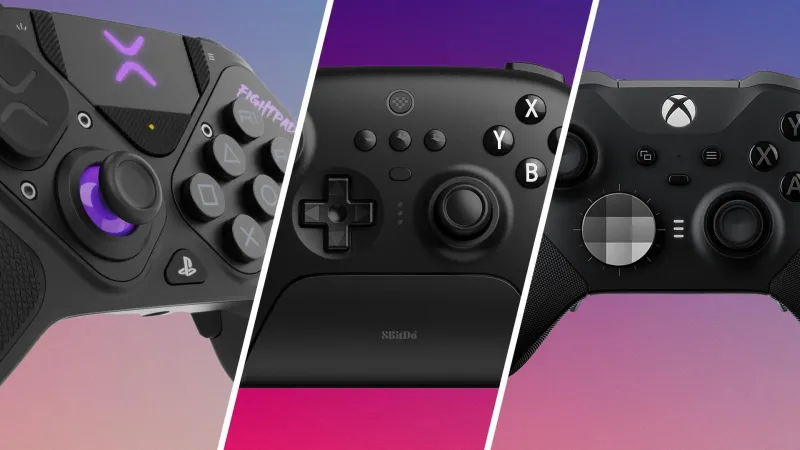
Taking Your Gaming To The Next Level With The Best Gaming Controllers
In the early days of gaming, the "controller" was a utilitarian plastic brick with two buttons and a... Read More

The Impact of Technology on the Gaming Industry
The gaming industry has come a long way since the introduction of the first home console. Technology... Read More
Top Posts

Smart Glasses Are Inevitable, but They Still Have a Lot to Prove
The concept of smart glasses has been around for several years, with various tech companies experimenting with different designs, features, and functionalities....Read More
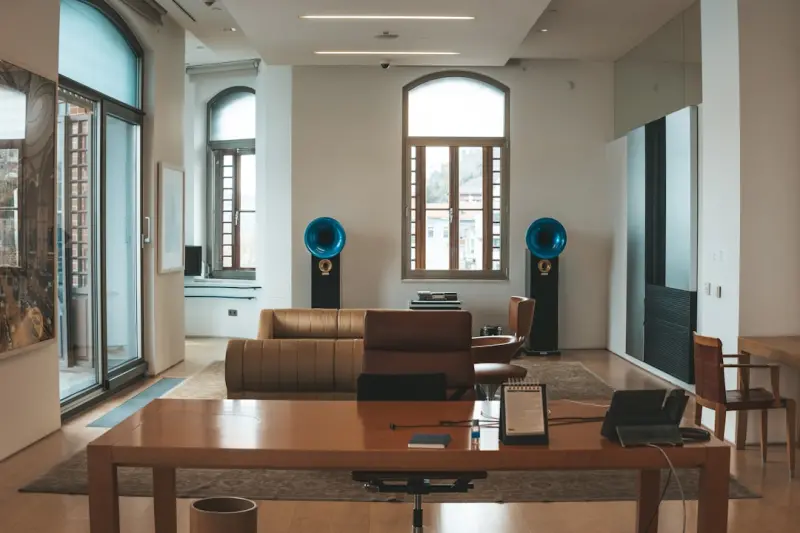
Quiet Power: Transforming Your Home with Acoustic‑Smart Improvements
A deep dive into acoustic‑focused home improvements, blending sustainable materials and smart technology to create quieter, more functional spaces that boost ...Read More

Nurturing Your Heart: A Comprehensive Guide to Foods for Cardiovascular Health
Heart disease remains a leading health challenge globally, impacting millions and underscoring the critical importance of preventive strategies. While genetics ...Read More

Speaking TikTok’s Language: A B2B Playbook for Real‑World Impact
Learn how to adapt TikTok’s rapid, authentic format for B2B marketing, recruitment, and community building, turning short‑form videos into a powerful growth...Read More
0 Comments
Post Comment
You will need to Login or Register to comment on this post!