

Walking into a room should feel like stepping into a memory—one that’s both familiar and freshly imagined. As someone who has spent countless evenings rearranging throw pillows, hunting for the perfect rug, and swapping out lighting fixtures, I’ve learned that home décor isn’t just about aesthetics; it’s about crafting an environment that narrates who you are, day after day.
Why Texture Beats Trend Every Time
Trends are fleeting. A glossy white sofa might dominate a magazine spread, but within months the market will be saturated with the same sleek silhouette. Texture, on the other hand, ages gracefully. A chunky knit blanket, a weathered wooden coffee table, or a hand‑woven jute rug can anchor a space in a way that trend‑chasing pieces simply cannot.
When I first introduced a reclaimed barn wood sideboard into my living room, I expected it to clash with my modern sofa. Instead, the contrast created a dialogue between old and new—an ongoing conversation that makes the room feel alive. The secret? Layering textures of varying weights, finishes, and origins to build depth without shouting for attention.
Curating Personal Stories Through Objects
Every object in a home tells a story. That ceramic vase you picked up on a spontaneous trip to Morocco? It whispers of wanderlust. The framed black‑and‑white photograph of your grandparents’ kitchen? It grounds you in lineage. The trick is to display these pieces so they become part of a larger narrative rather than scattered memorabilia.
Start by selecting a theme—not a color scheme, but an emotion or memory you want to evoke. Maybe it’s “cozy evenings by the fire,” or “sun‑kissed mornings on the balcony.” Once you have that anchor, arrange items that reinforce that feeling. For instance, a set of vintage brass candle holders can amplify a “warmth” theme, while a collection of pastel‑hued botanical prints can evoke a breezy, outdoor vibe.
Lighting: The Unsung Hero
Lighting can dramatically shift a room’s mood, yet it’s often the last element people consider. I once hosted a dinner party under harsh overhead fluorescents. The food tasted fine, but the conversation felt stiff. The next time, I swapped the main fixture for a series of dimmable pendant lights and added a few strategically placed floor lamps. The result? A room that invited intimacy, and guests lingered longer, laughing over stories that spilled into the night.
Here are three lighting strategies to instantly uplift any space:
- Layered illumination: Combine ambient, task, and accent lighting. A soft overhead glow sets the base, a reading lamp offers function, and a spotlight on artwork adds drama.
- Warm temperature: Choose bulbs in the 2700‑3000K range for a cozy, inviting feel. Cooler whites are best reserved for kitchens and bathrooms where precision matters.
- Smart controls: Integrate dimmers or voice‑activated switches. They let you tailor the brightness to the moment—bright for morning routines, low for evening wind‑downs.
Color Psychology: More Than a Pretty Palette
Colors are not merely decorative; they influence emotion and behavior. While it’s tempting to plaster bold hues across walls, strategic placement yields better results. For example, a deep navy accent wall can create a sense of security in a bedroom, while a soft sage green in a study promotes focus.
One experiment I conducted involved painting my home office a muted mustard. The subtle pop of color sparked creativity without overwhelming my mind. Meanwhile, my hallway remained a neutral ivory, allowing the artwork to stand out and serve as a visual transition between rooms.
Sustainable Choices: Style Meets Responsibility
Eco‑friendly décor isn’t a compromise; it’s an opportunity for ingenuity. Opt for reclaimed wood, upcycled furniture, or pieces crafted from renewable materials. Not only do these choices reduce environmental impact, but they also bring a unique character to your home that mass‑produced items lack.
In fact, the growing demand for sustainability in design mirrors a broader cultural shift—one that’s also reshaping how we think about play and childhood. Sustainable toys are now becoming mini‑artifacts that parents proudly display, blurring the line between play and decor. By incorporating similar principles—like choosing a handcrafted bamboo lamp or a recycled glass coffee table—you’re curating a space that feels both modern and conscientious.
Data‑Driven Design: The Hidden Power of Insight
Believe it or not, data can guide aesthetic decisions. While we often think of analytics as a tool for marketers, the same principle applies to interior design. Tracking which spaces you gravitate toward, how long you linger, and which lighting setups you prefer can inform future updates.
For those curious about leveraging data beyond the home, there’s a fascinating parallel in the digital realm. Structured data helps websites speak directly to search engines, much like how thoughtful décor lets a room “speak” to its inhabitants. By observing patterns—whether it’s the flow of foot traffic in a hallway or the way sunlight hits a corner—you can make informed adjustments that enhance both function and feeling.
Mixing Old and New: A Balanced Approach
Modern minimalism can feel sterile if not softened with personal touches. Conversely, an overabundance of vintage pieces can overwhelm. The sweet spot lies in balance. Pair a sleek, low‑profile sofa with a handcrafted wooden side table. Hang a contemporary abstract painting above a vintage brass floor lamp. This juxtaposition creates visual intrigue and signals that the space is lived‑in, not staged.
DIY Projects That Add Personality
Nothing says “personal” like a piece you made yourself. Here are three approachable DIYs that add flair without demanding a professional’s skill set:
- Custom canvas art: Stretch a large canvas, apply a base coat in a muted hue, then use painter’s tape to create geometric sections. Paint over the tape in contrasting colors, remove, and you have a gallery‑worthy piece.
- Reclaimed pallet coffee table: Disassemble an old pallet, sand the wood, and attach legs using metal brackets. Finish with a clear sealant for durability.
- Hand‑stamped throw pillows: Purchase plain linen pillow covers and use fabric paint with alphabet stencils to emboss meaningful words or dates.
Seasonal Switch‑Ups Without the Hassle
Refreshing a space for the seasons doesn’t require a full overhaul. Simple swaps—like swapping out pillow covers, introducing seasonal foliage, or rotating artwork—keep the environment dynamic. For fall, think deep rusts, amber lighting, and scented candles with notes of cinnamon. In spring, bring in pastel linens, fresh greenery, and airy curtains that let in more daylight.
Creating Zones in Open‑Plan Living
Open‑plan homes can feel like a single, sprawling room. To create functional zones, use visual dividers such as area rugs, bookcases, or even a strategically placed plant cluster. A rug under the dining table defines the eating area, while a low shelving unit can separate the lounge from the workspace without erecting walls.
My favorite trick is using a change in ceiling height or lighting style to signal a transition. A pendant light over the kitchen island distinguishes it from the recessed lighting in the adjacent lounge, subtly guiding the eye and foot traffic.
Personal Touch: The Power of Scent
Scent is often the unsung hero of décor. A faint aroma of lavender or sandalwood can make a space feel more inviting. Diffusers, scented candles, or even fresh herbs placed on a windowsill can infuse personality without visual clutter. Choose a scent that complements the room’s function—a citrus burst in the kitchen for energy, or a warm vanilla in the bedroom for relaxation.
Maintaining the Magic Over Time
A well‑designed home evolves. Schedule a “refresh day” every six months where you assess the functionality and vibe of each room. Ask yourself: Does this corner still serve its purpose? Does the lighting still feel right? Are there any pieces that have lost their spark?
Small adjustments—re‑orienting a chair, swapping out a lamp shade, or adding a new piece of art—can revitalize a space without a massive investment. This habit ensures your home stays a living, breathing extension of you, rather than a static backdrop.
Final Thoughts: Your Home as an Ongoing Story
Home décor is a continual act of storytelling. It’s not a one‑time project but a series of thoughtful decisions that reflect your evolving life. By embracing texture, curating personal artifacts, leveraging lighting, and infusing sustainability, you create a backdrop that not only looks beautiful but feels deeply yours.
Remember, the best rooms are those that invite you to return—again and again—because they make you feel seen, comforted, and inspired. So go ahead, pull out those cherished souvenirs, experiment with a new rug, and let your home whisper the chapters of your life in every corner.

Freelance writer with a flare for everything. I am passionate about topics I write crafting stories and compelling content that connect with audiences. Journeying through the realms of creativity as a freelance creator. #WriterLife #ContentCreator
Related Posts

Curating Your Own Gallery Wall: A Storytelling Approach to Home Décor
Discover the step‑by‑step process to design a curated gallery wall that reflects your personal j... Read More
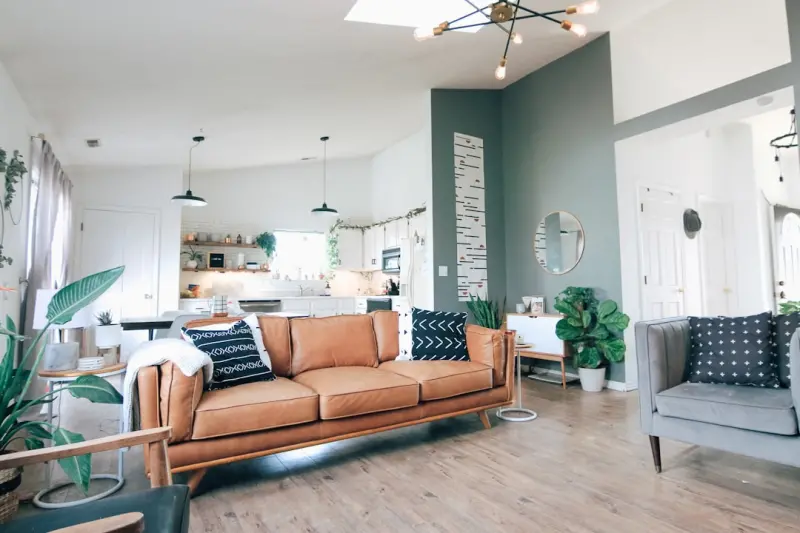
Sensory Layering: Redefining Modern Home Spaces
Explore the concept of sensory layering in home decor, learning how to harmonize color, texture, sou... Read More

How to Turn Every Room into a Curated Retreat
Learn how to transform each space into a personalized retreat with smart color choices, layered text... Read More
Top Posts
From Crib to Canvas: Turning Everyday Moments into Baby Learning Adventures
Learn to transform ordinary chores into multisensory learning opportunities for your baby, using simple household items, narrative play, and smart tech to nurtu...Read More

SEO The Pillars to Fine Tunning your website
Fine-tuning your website for search engines is an essential process for achieving long-term digital growth. By mastering the pillars of technical performance, q...Read More

Understanding and Managing the Prolific Dandelion Invasion
To the casual observer, the dandelion (Taraxacum officinale) is a charming herald of spring-a splash of vibrant yellow against the verdant canvas of a manicured...Read More

Edge AI: Turning Industrial Products Into Intelligent Partners
Edge AI is reshaping the industrial landscape by embedding intelligence directly into machinery, enabling predictive maintenance, real‑time optimization, and ...Read More
0 Comments
Post Comment
You will need to Login or Register to comment on this post!