

Turning the Everyday into a Baby’s First Learning Canvas
When I first became a dad, I thought the nursery was the only place where my infant would truly learn. That notion evaporated the moment I watched my three‑month‑old stare, mesmerized, at the steam swirling from the kitchen kettle. Suddenly, the whole house felt like a giant, low‑tech classroom. In the months that followed, I began to treat every mundane moment—changing a diaper, waiting for the laundry to finish, even the brief lull between grocery store aisles—as a chance to sprinkle a little intentional learning into our routine.
In this post I’m sharing the mindset shift that helped me re‑engineer ordinary chores into rich, multisensory experiences for my baby. It’s not about adding more toys or buying the latest developmental gadget; it’s about harnessing the rhythm of daily life and turning it into a tapestry of sights, sounds, textures, and subtle challenges that nurture curiosity, language, and motor skills. If you’re a parent who feels overwhelmed by the pressure to “optimize” every minute, consider this a gentle invitation to slow down and look deeper at the world you already inhabit.
1. The Power of Predictable Micro‑Moments
Research tells us that babies thrive on predictability. When the world feels consistent, their nervous systems can allocate more bandwidth to exploration rather than survival. Yet predictability doesn’t have to be boring. Think of the simple act of washing hands: the splash of water, the feel of soap bubbles, the rhythmic motion of rubbing palms. By narrating each step—“We’re making bubbles, see how they sparkle!”—you’re simultaneously offering language exposure, visual focus, and fine‑motor practice.
- Visual cue: Use a clear bowl to let your baby watch the water swirl.
- Auditory cue: Emphasize the “swoosh” of water and the gentle “pop” of bubbles.
- Tactile cue: Let them feel the warm water on their hands.
This trifecta of stimuli is a micro‑learning loop that can be replicated countless times a day—during diaper changes, snack prep, or even while waiting for the microwave.
2. Creating a Sensory‑Rich Environment on a Budget
Before you rush to the aisle of high‑priced sensory toys, scan your own kitchen cabinets. A wooden spoon, a soft cotton dish towel, a metal measuring cup—each offers a distinct texture and sound. By rotating a few everyday objects every week, you keep the environment fresh and your baby’s brain engaged.
Here’s a quick starter kit you can assemble from what’s already in your home:
- Silicone spatula (smooth, cool to touch)
- Rattle made from a sealed plastic bottle filled with rice
- Soft, patterned fabric scraps for tactile exploration
- Mirror (unbreakable acrylic works best) for self‑recognition
Place these items within reach during tummy time or in a low basket beside the crib. The key is accessibility—your baby should be able to grab, shake, and explore without adult mediation, fostering independence and problem‑solving.
3. Language Development Through Narrative Play
One of the most underrated tools in a parent’s arsenal is the simple act of narrating what you’re doing. While you’re folding laundry, you might say, “I’m folding the red shirt. Look, it’s smooth and soft.” This constant stream of descriptive language builds vocabulary organically. Studies have shown that babies whose parents frequently label objects and actions develop larger expressive vocabularies by age two.
To make narration feel natural, tie it to your own emotions: “I’m feeling cozy as I wrap this blanket around you.” This not only enriches language exposure but also models emotional literacy—an essential skill for later social competence.
4. Leveraging Technology Wisely: AI Assistants as Parenting Partners
While I’m a tech‑enthusiast, I’m also cautious about screen time for my little one. That said, AI conversational assistants for parents can be a behind‑the‑scenes ally. Imagine a voice‑activated reminder that prompts you to “sing a lullaby” or “show the soft blanket” right when your baby is most receptive. These subtle nudges help you stay intentional without feeling micromanaged.
Another practical use: a shared digital log where both partners can note what textures or songs resonated most during the day. Over weeks, you’ll spot patterns—perhaps your baby lights up at the crinkly sound of a paper bag but calms down with a smooth wooden spoon. This data‑driven insight allows you to tailor future micro‑moments for maximum engagement.
5. Energy Management for Parents: The Hidden Ingredient
All the sensory play in the world won’t matter if you’re running on fumes. I discovered that the secret to sustained intentional parenting lies in energy‑saving digital tools that automate the mundane. Set up a smart plug that turns off the nursery night‑light after a set period, freeing you from the mental load of remembering every tiny detail.
When you automate the low‑stakes, you free mental bandwidth for the high‑stakes—like staying present during those precious sensory moments. Think of it as a parental runway: a smooth, invisible platform that lets you glide through daily tasks while keeping your focus on the baby’s developmental journey.
6. Routine as a Canvas, Not a Cage
Many parenting guides emphasize the importance of routine, but they often frame it as a rigid schedule. I prefer to view routine as a canvas—a flexible outline that you can paint over with spontaneous learning opportunities. For example, the “morning feed” slot can become a brief science experiment: “Look, the milk changes color when we add a drop of blueberry!” The structure remains, but the content evolves.
By treating routine this way, you maintain the predictability your baby craves while injecting novelty that fuels neural growth. The result is a harmonious dance between stability and discovery.
7. Community‑Driven Inspiration
No parent is an island. Reach out to fellow caregivers—online forums, playgroups, or neighborhood meet‑ups—and exchange ideas for turning everyday objects into learning tools. One parent might swear by a wooden puzzle, while another swears by a set of magnetic beads. Swapping these “found‑object” hacks can keep your sensory rotation fresh and culturally diverse.
Even a quick photo exchange can spark inspiration. Imagine a colleague sharing a picture of a reclaimed pallet turned into a low‑profile climbing ramp. Suddenly, a simple piece of wood becomes a developmental milestone.
8. Measuring Progress Without Pressure
It’s tempting to keep a checklist of milestones, but that can become a source of anxiety. Instead, focus on qualitative observations: Does your baby reach for objects more confidently? Do they pause longer on a sound before turning their head? These subtle cues tell you more about their engagement than a tick‑box.
Maintain a brief “learning log”—a few lines per day noting which textures, sounds, or narratives sparked the brightest smile. Over months, you’ll see a narrative arc of curiosity blossoming, reinforcing the value of your everyday approach.
9. Scaling the Approach as Your Child Grows
What works for a newborn’s sensory world will shift as they develop gross‑motor skills and language. As your baby crawls, introduce low‑height obstacles made from sturdy cardboard boxes, encouraging problem‑solving and spatial awareness. When they start speaking, transform your narration into two‑way dialogue: ask “Which one feels soft?” and celebrate their response.
By continuously aligning the micro‑moments with developmental stages, you maintain relevance and keep the learning experience age‑appropriate.
10. The Heart of the Journey
At its core, this philosophy is about love‑infused presence. The world is full of dazzling gadgets and curated curricula, but the most powerful teacher remains the parent who pauses, looks, and narrates the wonder of a simple steam swirl or a crinkly paper bag. When you embed intentional learning into the fabric of daily life, you’re not just fostering development—you’re weaving a lifelong bond rooted in curiosity and shared discovery.
So the next time you’re waiting for the kettle to boil, remember: you have a front‑row seat to your baby’s first science lesson. Embrace it, narrate it, and let the everyday become the most extraordinary classroom of all.

Sanji Patel is a Staff Writer at Blogging Fusion and a globally recognized SEO consultant with 25 years of industry experience. He specializes in delivering comprehensive technical and editorial SEO services to news publishers worldwide. Sanji frequently shares his insights as a speaker at international conferences and delivers annual guest lectures at local universities.
Professional Profile
- Current Role: Staff Writer at Blogging Fusion.
- Core Expertise: Technical and editorial SEO strategy.
- Target Audience: Global news publishers and digital media outlets.
- Industry Experience: 25 years of dedicated SEO consultancy.
- Public Engagement: International conference speaker and university guest lecturer.
Related Posts
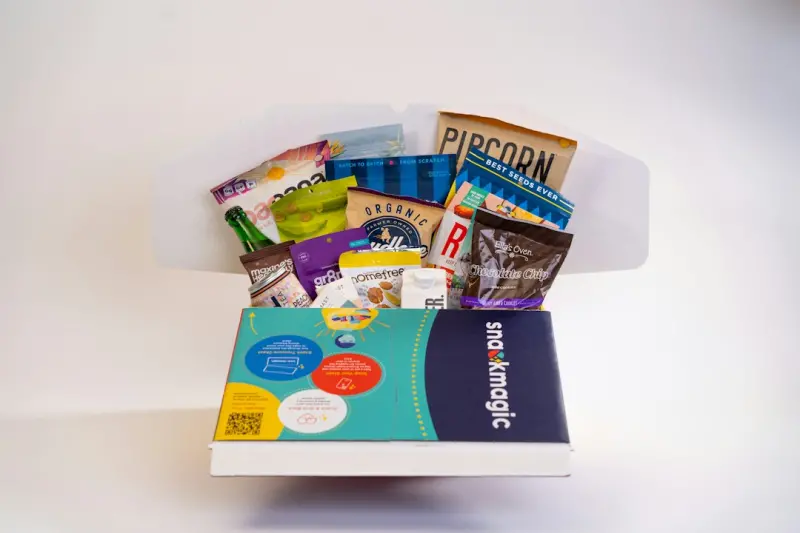
The Sensory Subscription Box Boom: A New Playbook for Modern Parents
A deep dive into the rise of sensory subscription boxes, highlighting their developmental benefits, ... Read More

How Subscription Boxes Are Revolutionizing Baby Sensory Play
Subscription boxes for babies deliver expertly curated sensory tools straight to your door, blending... Read More

The Rise of Sensory‑Rich Play for Modern Families
Sensory‑rich play offers babies and toddlers a powerful boost in development, from neural pathways... Read More
Top Posts

Powering the Future: Inside the Next Generation of Smartphone Batteries
A deep dive into the emerging battery revolution for smartphones, covering graphene and solid‑state chemistries, ultra‑fast and OTA charging, AI‑driven po...Read More
Play‑Based Learning: Turning Everyday Fun into Future‑Ready Skills
A deep dive into why play isn’t a distraction but a powerful engine for curiosity, resilience, and real‑world competence, with actionable steps for families...Read More

The Impact of Technology on Mental Health: A Growing Concern
The way we interact with technology can have a profound impact on our mental health. Learn how to promote healthy technology use and mitigate its negative effec...Read More

AI Safety Audits: Turning Trust Into a Competitive Advantage
AI safety audits transform risk into a market advantage. This guide shows SaaS teams how to build a scalable audit framework, embed safety into development, and...Read More
0 Comments
Post Comment
You will need to Login or Register to comment on this post!