
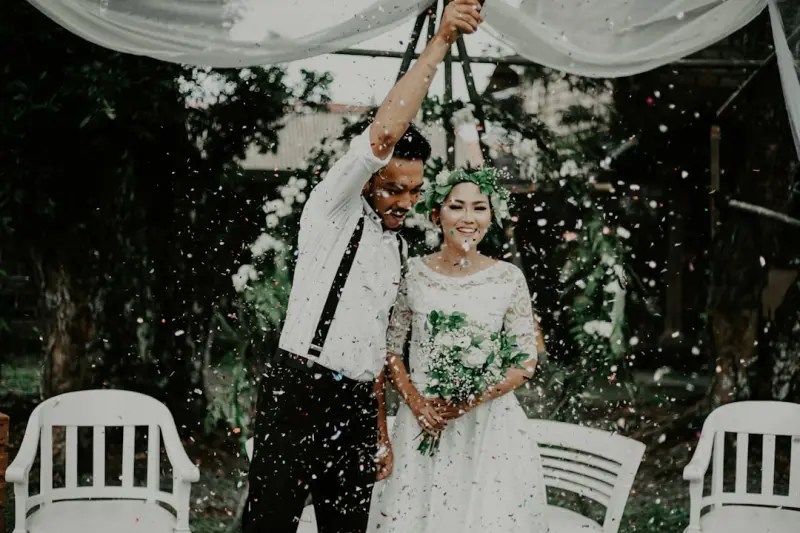
Why Hybrid Weddings Are the New Standard for Modern Couples
When I first started planning my own wedding, the idea of streaming the ceremony to friends across the globe felt like a novelty. Today, that novelty has become an expectation. Couples are no longer choosing between a fully in‑person celebration or a completely virtual affair; they’re blending the two to create an experience that’s both intimate and expansive. This hybrid model isn’t just a workaround for travel restrictions—it’s a response to evolving social dynamics, sustainability concerns, and the desire for deeper personalization.
The Core Benefits of Going Hybrid
1. Inclusive Guest Lists Without the Logistical Nightmare – Traditionally, couples faced a painful trade‑off: invite every beloved relative and risk a venue overflow, or keep the guest list tight and risk leaving people out. Hybrid weddings solve that dilemma by allowing distant relatives to attend via a high‑quality livestream while the immediate family and close friends gather in person. The result is a celebration that feels genuinely inclusive.
2. Sustainable Footprints – Fewer guests traveling means fewer carbon emissions, less waste, and a smaller overall environmental impact. If you’re already looking for ways to make the day greener, consider integrating sustainable practices like zero‑waste cleaning rituals for post‑reception cleanup. Minimalist décor, digital invitations, and locally sourced catering can amplify the eco‑friendly vibe.
3. Enhanced Storytelling Through Technology – Modern livestream platforms offer multi‑camera setups, live chat interactions, and even virtual reality (VR) experiences. This allows remote guests to feel as if they’re sitting front‑row, choosing camera angles, and participating in real‑time polls (e.g., “Which song should the couple dance to next?”). The technology becomes a narrative tool, turning a static broadcast into an interactive story.
Designing the Hybrid Experience: A Step‑by‑Step Playbook
Step 1: Define Your Audience Segments
- In‑person attendees: family, close friends, wedding party.
- Remote participants: out‑of‑state relatives, colleagues, friends who can’t travel.
Understanding these groups helps you tailor both the physical venue and the digital interface. For example, you might reserve a dedicated “virtual lounge” on the livestream where remote guests can see a curated slideshow of childhood photos while the ceremony proceeds.
Step 2: Choose the Right Tech Stack
Don’t settle for a basic YouTube live stream. Look for platforms that support multiple audio tracks, chat moderation, and analytics. If you want to get really creative, integrate programmatic audio to personalize the soundtrack for different audience segments—perhaps a softer background score for the virtual lobby and a more energetic mix for the reception hall.
Step 3: Rehearse Both Worlds Simultaneously
Technical rehearsals are as crucial as the wedding rehearsal dinner. Test camera angles, internet bandwidth, lighting, and sound mixing. Run a mock ceremony where the officiant speaks to both the live audience and the camera, ensuring eye contact feels natural for both groups.
Step 4: Curate Unique Content for Remote Guests
While in‑person guests enjoy the traditional vows and first dance, remote attendees can receive exclusive content such as a behind‑the‑scenes “getting ready” montage, a live Q&A with the couple during the cocktail hour, or a digital guestbook where they can leave video messages that get compiled into a post‑wedding highlight reel.
Step 5: Seamlessly Blend Physical and Digital Décor
Consider projecting live comments from the virtual audience onto a backdrop during the reception. This visual integration reinforces the feeling that everyone is sharing the same moment, no matter the distance.
Budgeting for a Hybrid Celebration
Hybrid weddings do introduce new cost categories—camera crews, streaming platforms, and possibly a tech consultant. However, these expenses can be offset by savings elsewhere. Fewer physical guests often mean a smaller venue, reduced catering quantities, and lower transportation costs. Create a detailed spreadsheet that lists both traditional line‑items (venue, flowers, attire) and tech‑specific items (streaming service subscription, equipment rental, post‑production editing). Look for bundled packages; many wedding planners now partner with tech firms to offer all‑in‑one solutions.
Personalization at Scale: Turning Data into Delight
One of the most powerful aspects of a hybrid wedding is the data you can capture. Streaming platforms provide real‑time analytics—view counts, geographic locations, engagement rates. Use this information to send personalized thank‑you notes that reference specific moments a guest watched (e.g., “We saw you tuned in for our first dance from Chicago—thank you for sharing that moment with us!”). This data‑driven gratitude deepens the emotional connection beyond the day itself.
Case Study: A Week‑Long Anniversary Celebration
Imagine a couple celebrating a decade together with a week‑long series of events. Each day focuses on a different theme—memory lane, future dreams, family traditions. They host an intimate dinner for close family on day one, a live‑streamed cooking class for distant relatives on day three, and a virtual reality tour of their honeymoon destination on day five. By staggering the experiences, they keep the celebration fresh, inclusive, and highly personalized. The hybrid format allows them to involve friends from three continents without exhausting anyone’s schedule or budget.
Future‑Proofing Your Celebration
The hybrid model is adaptable. As technology evolves, so will the possibilities for wedding experiences. Augmented reality (AR) filters can let remote guests add virtual confetti to their video feeds. AI‑driven translation services can provide real‑time subtitles for multilingual families. By building a flexible tech foundation now, couples ensure their celebration can incorporate future innovations without a complete overhaul.
Final Thoughts: Embrace the Blend, Not the Binary
The wedding industry is shifting from a one‑size‑fits‑all ceremony to a curated experience that respects both intimacy and reach. Hybrid weddings empower couples to honor their traditions while embracing modern tools that enhance connection, sustainability, and personalization. If you’re planning your big day—or a milestone anniversary—consider the hybrid path as a way to celebrate love without limits.

Paul Flynn is a versatile freelance writer equipped with a diverse skillset and a portfolio that reflects his wide-ranging interests and expertise. From crafting compelling website copy and engaging blog posts to delivering in-depth articles and meticulously researched reports, Flynn demonstrates a remarkable ability to adapt his writing style to suit various audiences and purposes.
Related Posts

How Digital Tools Are Redefining Modern Weddings and Anniversaries
A deep dive into how cloud collaboration, immersive tech, and data-driven planning are revolutionizi... Read More

A Fresh Take on Anniversary Rituals: Crafting Your Own Timeless Story
Explore how to create a simple, meaningful ritual for your anniversary that weaves personal stories,... Read More

From Pixels to Petals: How Digital Tools Are Redefining Modern Weddings
Discover the latest digital innovations—AI planning platforms, ultra‑quiet appliances, and micro... Read More
Top Posts

When Edge Meets AI: Building Real‑Time Smarts at the Network’s Edge
Edge computing is reshaping AI for SaaS, delivering sub‑100 ms responses, cutting bandwidth costs, and unlocking premium features—all while enhancing priv...Read More

Beyond Chat: Why Google Gemini is the Secret Sauce for Enterprise SaaS Innovation
Google Gemini’s multimodal capabilities let SaaS teams combine text, images, and audio in a single model, unlocking faster support, smarter compliance, and ri...Read More

The Hidden Goldmine: How Player‑Driven Economies Are Shaping Gaming’s Future
Player‑driven economies are redefining games as living marketplaces. This article uncovers their impact, design challenges, business opportunities, and the et...Read More

From the Bench to the Boardroom: How Data-Driven Training Is Redefining Modern Sports
A deep dive into how real‑time metrics, low‑code analytics, and a culture that blends intuition with data are reshaping training, injury prevention, and str...Read More
0 Comments
Post Comment
You will need to Login or Register to comment on this post!