
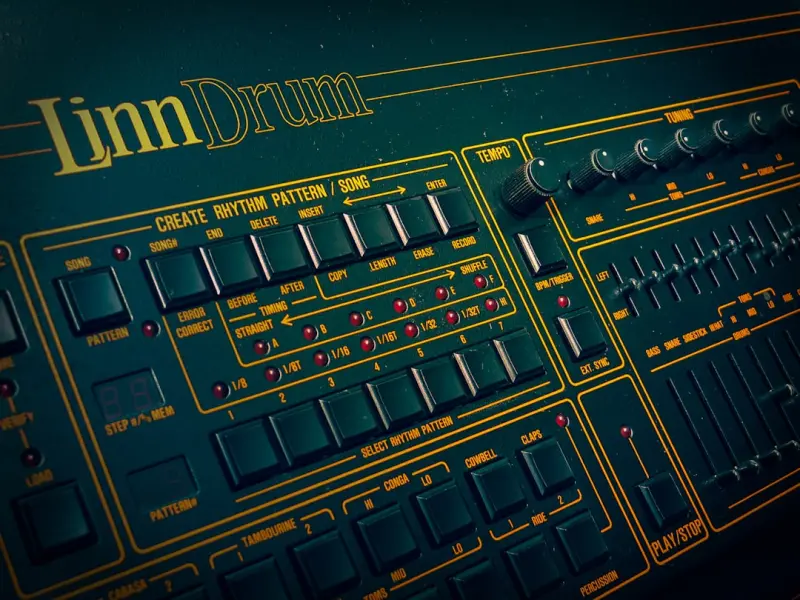
Programmatic Audio: The Untapped Goldmine for Modern Media Agencies
When most agencies think about programmatic, the mind instantly jumps to video or display. Yet a quiet revolution is humming in the background—programmatic audio. From smart speakers in kitchens to in‑car infotainment systems, audio is slipping into every moment of the consumer journey. For media agencies willing to shift from a visual‑first mindset to an ear‑first strategy, programmatic audio offers a high‑impact, low‑clutter channel that can supercharge campaign performance and deepen brand resonance.
Why Audio is Back—and Bigger Than Ever
Listening is an intimate act. While a banner can be scrolled past or a video muted, a voice that speaks directly into a listener’s ear commands attention. Recent market research shows that audio ad spend is projected to grow at double‑digit rates annually, outpacing many traditional digital formats. The drivers are clear:
- Ubiquitous devices: Smart speakers, connected cars, and mobile podcasts have multiplied the touchpoints where audio can be delivered.
- Contextual relevance: Audio naturally aligns with moments when users are multitasking—cooking, commuting, or exercising—making it an ideal vehicle for brand storytelling.
- Brand safety: Unlike visual ads that can be placed next to controversial content, audio platforms often have stricter content controls, ensuring a safer brand environment.
For agencies, these factors translate into a canvas that’s both expansive and precise. But tapping into this canvas requires more than just flipping a switch; it demands a strategic framework that blends data, creativity, and technology.
Building a Data‑First Audio Strategy
At the heart of any successful programmatic initiative lies data. In the audio realm, data points are both traditional (demographics, location) and uniquely auditory (listening habits, device type, time‑of‑day usage patterns). To harness this wealth of information, agencies should adopt a listening‑first analytics stack that captures real‑time metrics and feeds them back into campaign optimization.
One powerful approach is to integrate audio performance data with broader digital analytics. By linking audio impressions to downstream actions—such as website visits, app installs, or offline store visits—agencies can illustrate the true ROI of audio campaigns. A practical example is using the methodology outlined in Turning Google Analytics Into a SaaS Growth Engine to attribute conversions to specific audio spots, thereby turning what was once a “black box” into a measurable growth lever.
Creative Playbooks for the Ear
Audio storytelling is an art form, but it also benefits from systematic creative processes. Here are three proven tactics that agencies can embed into their workflow:
- Soundscapes as brand signatures: Develop a consistent auditory palette—musical motifs, voice tones, ambient sounds—that becomes instantly recognizable across campaigns.
- Dynamic ad stitching: Leverage real‑time data to customize the ad narrative on the fly. For example, a retailer can insert a localized promotion (“20% off in New York”) into a pre‑recorded spot, delivering hyper‑relevant messages without sacrificing production efficiency.
- Story arcs that span channels: Use audio as the opening act of a multi‑channel narrative, then hand off to video or display for the climax. This creates a seamless, omnichannel experience that reinforces the brand message at each touchpoint.
These techniques not only boost engagement but also provide measurable hooks for tracking performance.
Technology Stack: From DSPs to Voice‑First Platforms
Programmatic audio isn’t a monolith; it’s a collection of platforms, each with its own strengths. When evaluating technology partners, agencies should consider the following criteria:
- Inventory breadth: Does the DSP aggregate inventory from smart speakers, podcasts, streaming services, and connected cars?
- Granular targeting: Look for capabilities such as genre‑level targeting in podcasts, device‑type segmentation, and even contextual sentiment analysis.
- Real‑time bidding latency: Audio ad delivery often occurs in sub‑second windows; a low‑latency infrastructure is essential for winning premium placements.
- Measurement integration: The platform should feed data into your existing analytics suite, enabling cross‑channel attribution and optimization.
Choosing the right stack can be daunting, but agencies that invest time in building a modular, future‑proof architecture will reap long‑term benefits. For a deeper dive into modular technology decisions, check out Why Modular Laptops Are the Next Big Thing for Remote Professionals—the same principles of flexibility and scalability apply to audio DSP selection.
Programmatic Audio in a Cookie‑Less Landscape
The industry is moving away from third‑party cookies, and audio offers a natural ally in this transition. Because many audio platforms collect first‑party data (e.g., user’s listening history, device identifiers), agencies can build robust audience segments without relying on cookies. This aligns perfectly with privacy‑first initiatives that many brands now demand.
Implementing a privacy‑first audio strategy involves:
- Transparent data collection policies communicated directly to listeners.
- Opt‑in mechanisms that respect user consent while still delivering relevant ads.
- Secure data storage practices that adhere to emerging regulations.
By championing privacy in audio campaigns, agencies not only protect brand reputation but also differentiate themselves in a crowded marketplace.
Measuring Success: KPI Framework for Audio Campaigns
Traditional digital KPIs—click‑through rate (CTR), cost per click (CPC)—don’t translate directly to audio. Instead, agencies should adopt a blend of brand‑centric and performance metrics:
| Metric | Description |
|---|---|
| Completed Play Rate (CPR) | Percentage of listeners who hear the ad in its entirety. |
| Brand Lift Survey Scores | Pre‑ and post‑campaign surveys measuring recall, favorability, and purchase intent. |
| Cost per Completed Play (CPCP) | Spend divided by the number of completed plays, akin to CPM for audio. |
| Incremental Conversions | Attributed actions (e.g., app installs) traced back to audio exposure via unified analytics. |
| Engagement Time | Average listening duration for ad‑supported podcasts or streams, indicating audience interest. |
Combining these metrics paints a holistic picture of campaign health and informs iterative optimization.
Case Study: A Retail Brand’s Audio‑First Launch
Consider a mid‑size apparel retailer that wanted to launch a new sustainable line. Instead of the usual visual‑heavy campaign, the agency crafted a programmatic audio rollout:
- Pre‑launch teaser: 15‑second “sneak peek” spots on popular lifestyle podcasts, targeting eco‑conscious listeners.
- Launch day burst: Full‑length 30‑second ads on smart speakers in major metros, dynamically inserting store‑specific promos.
- Post‑launch sustain: Sponsored playlists on music streaming services, with embedded calls‑to‑action directing listeners to a QR‑code‑enabled landing page.
The results were striking: a 27% lift in brand recall, a 15% increase in foot traffic to featured stores, and a measurable boost in online sales attributed directly to audio impressions. The success was largely driven by the agency’s ability to fuse data‑rich targeting with compelling sound design.
Future Trends: What’s Next for Programmatic Audio?
Looking ahead, several emerging trends will shape the audio landscape:
- Interactive Voice Ads: Leveraging voice assistants to enable listeners to respond (“Ask Alexa for a discount”), turning passive listening into active engagement.
- Dynamic Sound Personalization: AI‑driven tools that adapt music tempo or voice tone based on real‑time listener mood signals.
- Cross‑Device Attribution: Linking in‑car audio exposure to mobile app actions, creating a seamless omnichannel conversion path.
- Audio NFTs: Unique, collectible sound bites that can be leveraged for brand storytelling and loyalty programs.
Agencies that experiment early with these innovations will set the benchmark for the next wave of audio‑centric marketing.
Getting Started: A Playbook for Agencies
Ready to dive in? Follow this step‑by‑step playbook to launch your first programmatic audio campaign:
- Audit your current tech stack: Identify gaps in audio inventory access and measurement capabilities.
- Define audience personas: Use first‑party data to create listener segments based on interests, device usage, and context.
- Partner with a trusted DSP: Choose a platform that offers robust targeting, low latency, and seamless analytics integration.
- Craft a sound identity: Develop brand‑consistent audio elements—voice, music, sound effects—that will be reused across spots.
- Launch a pilot: Start with a limited budget in a controlled market to test creative, targeting, and measurement.
- Analyze and iterate: Use the KPI framework above to assess performance, then refine creative and targeting for scale.
By treating audio as a strategic pillar rather than an afterthought, agencies can unlock new revenue streams, deepen client relationships, and future‑proof their service offerings.
Conclusion: Listening Is the New Seeing
In a world saturated with visual noise, audio cuts through with clarity and intimacy. Programmatic audio empowers media agencies to reach consumers where they are—on the road, in the kitchen, and through the earbuds that accompany every workout. The combination of data‑driven targeting, creative flexibility, and privacy‑first practices makes audio a compelling, sustainable growth engine.
For agencies ready to amplify their impact, the time to tune in is now. Embrace the sound, invest in the technology, and watch your campaigns resonate louder than ever before.

Jimmy Anand is a content creator that gets inspired by many aspects of life, internet or whatever inspires him at that moment. When he's not online he's gaming and when he is not gaming he is online trolling discussion boards.
Related Posts

Data‑First Storytelling: How Media Agencies Can Win in a Cookieless World
Media agencies must shift from intuition to data‑driven storytelling. This post explores first‑p... Read More

From Silos to Symphonies: Orchestrating Integrated Campaigns with Collaborative AI Platforms
Discover a fresh blueprint for media agencies to break down silos, unify creative assets, and levera... Read More
Beyond Campaigns: How Media Agencies Are Reinventing Real‑Time Storytelling
Media agencies are abandoning long‑run campaigns for rapid, data‑powered storytelling. Learn how... Read More
Top Posts
Designing a Modular Career Path for a Dynamic Future
A modular career treats skills, roles, and networks as interchangeable components, giving professionals the flexibility to adapt, learn, and thrive amid rapid m...Read More
Dedicated Hosting: The Strategic Backbone for AI‑Ready SaaS Platforms
Dedicated hosting provides the predictable performance, low latency, and security needed for AI‑centric SaaS platforms, enabling cost‑effective scaling and ...Read More
Why Modern Web Hosting Needs a Privacy‑First Blueprint
A privacy‑first approach to web hosting isn’t a luxury—it’s essential for security, compliance, and user trust. This guide walks through architecture, V...Read More

Turning a VPS into a DevOps Playground: A Hands‑On Guide for SaaS Teams
Learn how to turn a modest VPS into a full‑featured DevOps playground, enabling rapid experimentation, budget‑friendly CI/CD pipelines, compliance sandboxin...Read More
0 Comments
Post Comment
You will need to Login or Register to comment on this post!