

Why Routines Matter More Than You Think
In the chaos of modern life, families often mistake flexibility for freedom, overlooking how predictable patterns actually empower children. When kids know what to expect, their nervous system can shift from fight‑or‑flight mode to a state of calm curiosity, paving the way for deeper learning and emotional growth. Consistent routines act like a quiet anchor, allowing children to experiment, fail, and recover without the added anxiety of uncertainty. This subtle yet powerful framework becomes the backdrop against which confidence is quietly built, one bedtime story or morning breakfast at a time.
The Power of a Shared Morning Ritual
A simple shared breakfast can become a miniature classroom for gratitude, communication, and self‑regulation. As parents and kids sit together, they can practice a quick “high‑point, low‑point” round, where each person names a highlight and a challenge from the previous day. This habit not only validates feelings but also teaches children to articulate emotions before they become overwhelming. By turning the kitchen into a safe sounding board, families lay the groundwork for a habit of open dialogue that will echo throughout the day.
Turning Chores into Confidence Builders
Household chores are often framed as duties, but when reframed as skill‑building opportunities they become confidence boosters. Assigning age‑appropriate tasks—like sorting laundry by color or measuring ingredients for dinner—gives children a tangible sense of contribution and competence. The key is to pair the chore with a brief reflection: “What did you learn while setting the table?” This moment of guided introspection transforms a routine task into a lesson in problem‑solving and pride, reinforcing a growth mindset that will serve them far beyond the home.
Unplugged Family Moments for Deep Connection
In a world saturated with screens, carving out intentional unplugged family moments is essential for nurturing emotional resilience. A nightly “device‑free hour” invites parents and children to engage in tactile activities—storytelling, board games, or simply talking about the day’s events. These analog interactions lower cortisol levels, improve attentional focus, and teach kids how to be present with themselves and others, creating a foundation for healthy emotional regulation.
Designing a Home That Supports Emotional Wellness
The physical environment plays a silent yet profound role in shaping mood and behavior. Simple adjustments—like adding soft lighting, incorporating calming scents, or creating a dedicated “quiet corner” with cushions and books—can transform a bustling house into a sanctuary for emotional recovery. For families seeking a holistic approach, exploring wellness‑focused home tweaks offers actionable ideas that reinforce the calm cultivated by daily routines.
Playful Learning Through DIY Projects
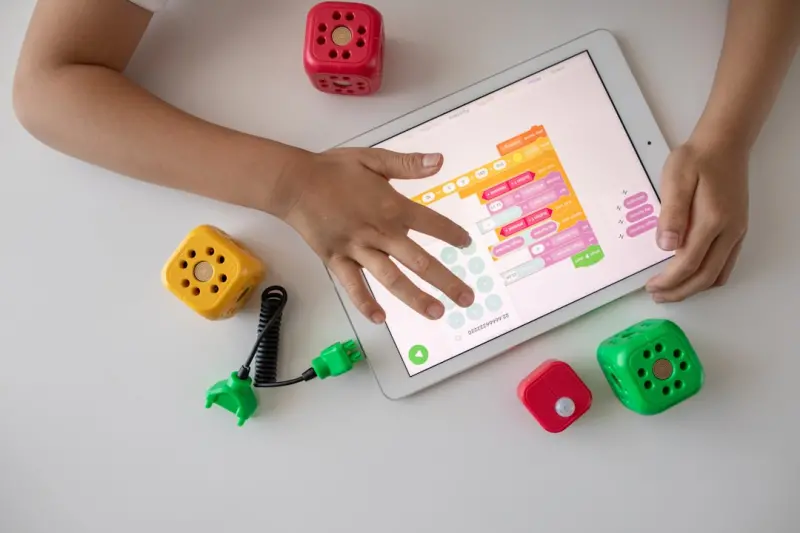
Play is the natural language of children, and when it intersects with purposeful creation, it becomes a catalyst for resilience. Introducing DIY play kits—such as building a simple birdhouse or assembling a recycled‑material robot—encourages experimentation, perseverance, and collaborative problem‑solving. As kids encounter setbacks, they practice the very skill of bouncing back, while parents witness and celebrate each incremental triumph.
Embracing Imperfection as a Family Value
Perfectionism is a silent saboteur of confidence, especially when parents unintentionally model it through high expectations or criticism. By openly acknowledging mistakes—like a burnt pancake or a missed appointment—parents demonstrate that errors are learning opportunities, not failures. This transparent attitude invites children to take calculated risks, knowing the family environment will respond with support rather than judgment, thereby strengthening their emotional armor.
Rituals for Nighttime Wind‑Down
The end of the day offers a prime window for reinforcing emotional security. A consistent bedtime routine—perhaps a warm bath, a short meditation, and a whispered affirmation—signals to the nervous system that it’s safe to relax and process the day’s events. Over time, these cues become neurological triggers for calm, helping children drift into restorative sleep, which is the ultimate reset for emotional resilience.
Measuring Progress Without Pressure
Unlike academic grades, emotional growth thrives on subtle, qualitative feedback. Parents can keep a shared “resilience journal” where each family member logs moments of pride, frustration, and recovery. Reviewing entries together every few weeks reveals patterns, celebrates progress, and identifies areas needing gentle guidance. This low‑stakes tracking method respects each child’s pace while providing a concrete reminder that emotional strength is a journey, not a scoreboard.

Ryan Stuart is a seasoned freelance features writer, editor, and professional photographer with a passion for exploring the world and capturing its beauty through words and images.
Related Posts

Sustainable Parenting: A Holistic Approach to Raising Eco-Conscious Kids
Sustainable parenting involves making eco-friendly choices in various aspects of family life. Learn ... Read More
Raising Kids in a Digital World: Intentional Rituals for Real Connection
Learn how intentional daily rituals, collaborative screen contracts, and story‑time traditions can... Read More

Why Unplanned Chaos Is the Best Teacher for Modern Kids
Embracing the unpredictable in daily family life turns ordinary mishaps into powerful learning labs,... Read More
Top Posts

Storytelling at Scale: Merging Real‑Time Data with Creative Vision
This post reveals how media agencies can adopt real‑time narrative architecture, integrating data, AI, and human‑centric processes to deliver dynamic, perso...Read More

Nature‑Infused Home Offices: Boosting Well‑Being with Biophilic Design
A practical guide to integrating plants, natural materials, and organic light into your home office, showing how nature‑focused design can enhance productivit...Read More

50 Easy Gardening Hacks To Make The Most Out Of Your Garden
Gardening is a source of immense joy, providing fresh produce, vibrant blooms, and a tranquil escape from the daily grind. However, it can also feel daunting, c...Read More

AI‑Powered Personal Shopping Assistants: The Next Evolution in Retail
AI‑driven personal shopping assistants are reshaping e‑commerce by delivering hyper‑personalized, privacy‑first recommendations through conversational i...Read More
0 Comments
Post Comment
You will need to Login or Register to comment on this post!