
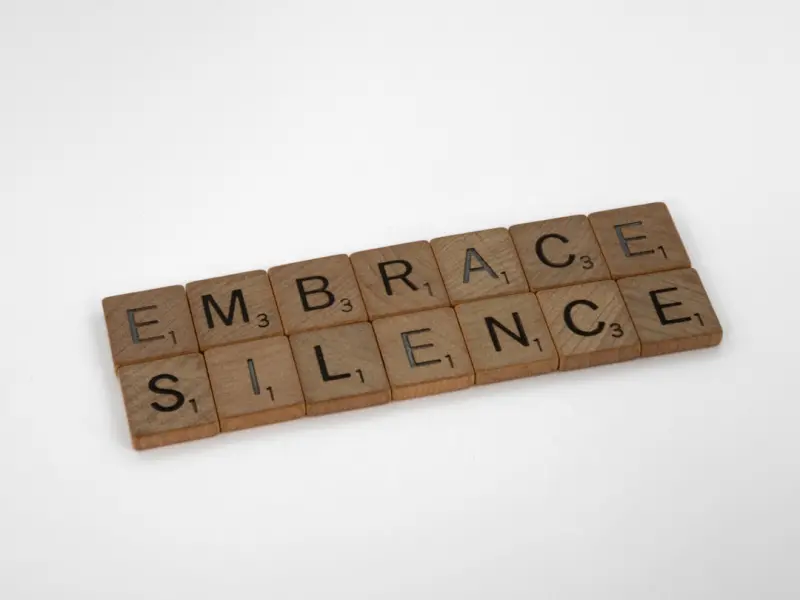
The Noise That Drowns Us
Every evening, the glow of a phone screen becomes the default nightlight for many couples, and the soft ping of notifications silently competes with whispered conversations. Over time, that constant digital hum creates a subtle but powerful barrier, turning what should be intimate moments into background noise. When you’re scrolling through feeds while your partner shares a vulnerable thought, the emotional bandwidth required for true connection is instantly depleted. Unplugged intimacy isn’t just a trendy phrase; it’s a deliberate reclamation of attention, a way to restore the depth that technology often dilutes.
Why the “Off” Button Is a Relationship Superpower
Turning devices off isn’t an act of rebellion; it’s an act of love. By intentionally creating screen‑free zones—whether it’s the dining table, the bedroom, or a designated “no‑tech hour”—you give each other permission to be fully present. This simple boundary sends a clear signal that the person sitting across from you matters more than the next meme or email. Studies show that couples who regularly practice digital disconnection report higher satisfaction, better conflict resolution, and a stronger sense of partnership. The act of choosing silence over scrolling becomes a ritual that reinforces trust and signals that emotional needs are prioritized above digital cravings.
Designing a Tech‑Free Ritual
Rituals thrive on consistency, and the same holds true for unplugged moments. Start small: designate a 15‑minute “connection window” after dinner where phones are placed in a basket, notifications are silenced, and the focus shifts to eye contact and conversation. Within that window, ask open‑ended questions that invite storytelling, such as “What moment today made you feel alive?” or “What’s a dream you’ve been keeping to yourself?” The goal isn’t to fill the silence with chatter, but to cultivate a space where both partners feel safe to share without the safety net of scrolling. Over weeks, you’ll notice the conversation deepening, the jokes becoming more personal, and the overall emotional climate becoming richer.
Analog Activities That Rekindle Sparks
Replacing screen time with tactile, shared experiences can reignite the playful chemistry that often fades under digital glare. Think board games, cooking a new recipe together, or even a simple walk without earbuds—activities that require collaboration, laughter, and physical presence. When you engage in a hands‑on project, the brain releases dopamine, reinforcing the pleasure of togetherness. Moreover, these analog moments create lasting memories that become touchstones during tougher times, offering a reservoir of positive association to draw upon when conflict arises.
Mindful Listening: The Ultimate Gift
True listening is an art that technology has unintentionally eroded. In a world where multitasking is glorified, offering undivided attention feels revolutionary. Practice “reflective listening” by summarizing what your partner just said before adding your own thoughts. This not only confirms you heard them accurately but also validates their feelings, fostering a deeper sense of being understood. Over time, this habit builds emotional safety, encouraging both partners to share fears, hopes, and aspirations without the fear of being interrupted by a buzzing device.
Leveraging micro‑journaling for Relationship Clarity
While the focus is on unplugged moments, a brief, structured reflection can amplify the benefits of digital disconnection. After a screen‑free evening, each partner can spend five minutes noting down what felt meaningful, what sparked tension, and any insights that emerged. This practice, known as micro‑journaling, helps translate fleeting emotions into concrete observations, making it easier to address patterns before they fester. When both partners share these reflections periodically, they build a shared language of growth, turning individual insights into collective progress.
Balancing the Benefits of Tech Without Letting It Dominate
Technology isn’t the enemy; it’s a tool that, when wielded mindfully, can enhance rather than hinder intimacy. Use shared calendars to schedule “date nights” that are explicitly marked as device‑free, or employ apps that limit screen time during agreed‑upon periods. Even smart home assistants can be programmed to announce “connection time” cues, reminding you to put the phones away. The key is to let technology serve the relationship, not steer it. By setting intentional boundaries, you preserve the convenience of digital life while safeguarding the emotional space where love thrives.
The Long‑Term Payoff of Unplugged Intimacy
When couples consistently choose presence over pixels, the ripple effects extend beyond the bedroom. Trust deepens, empathy expands, and the partnership becomes a resilient anchor during life’s inevitable storms. You’ll find that disagreements are resolved faster because you’ve built a habit of listening without distraction. Moreover, the shared memories of screen‑free adventures become treasured chapters in your love story, reminding you both of the simple joy of being truly seen. In a hyperconnected world, the most radical act of love is often the most uncomplicated: turning off the screen and turning on each other.

Brad Hays is a freelance writer known for his versatile skill set and ability to craft compelling content across a wide range of industries.
Related Posts

When Real‑World Rituals Rescue Our Digital Relationships
Explore practical, low‑effort rituals—like shared purpose projects, device‑free moments, and c... Read More
The New Playbook for Relationship Resilience in a Hyperconnected World
A fresh framework for modern couples, friends, and families to set digital boundaries, leverage AI r... Read More

The Unlikely Intersection of Sustainable Living and Relationships
Sustainable living is not just about reducing our carbon footprint; it's also about building deeper ... Read More
Top Posts

The Evolution of Online Shopping: Trends and Insights
The world of online shopping has undergone a significant transformation over the years. From its humble beginnings to the current state of affairs, e-commerce h...Read More

Designing for Sensory Balance: Color, Texture, and Light in Everyday Spaces
Learn a holistic approach to interior design that goes beyond trends, focusing on color psychology, tactile layering, and strategic lighting to craft spaces tha...Read More

The Evolution of Sustainable Marketing: How Eco-Friendly Practices Are Revolutionizing the Industry
Sustainable marketing is a rapidly evolving field that offers numerous benefits for businesses. Learn about the evolution of sustainable marketing, its benefits...Read More

Raising Digital Natives with Heart: A Playful, Mindful Blueprint for Modern Parents
A modern parenting guide that blends screen‑smart habits, micro‑adventures, mindful emotional tools, and family tech hacks to raise resilient, curious digit...Read More
0 Comments
Post Comment
You will need to Login or Register to comment on this post!