
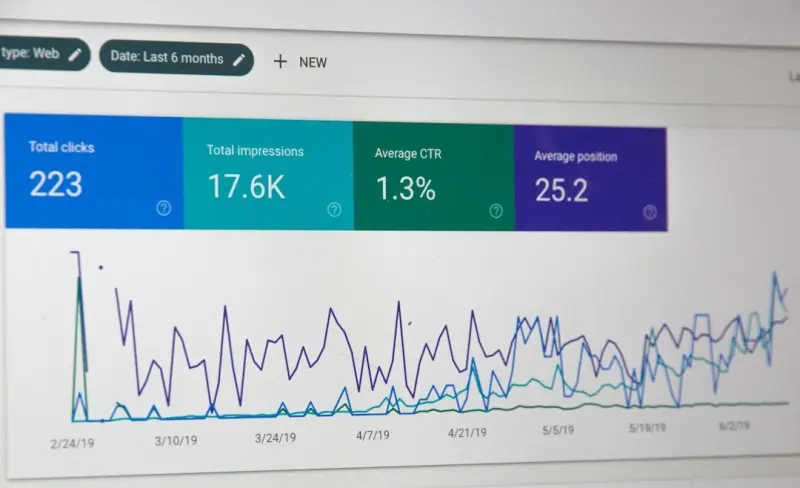
When most marketers hear “SEO,” the first name that jumps out is Google. That’s fine - Google is the heavyweight champion of search. But as any seasoned B2B SaaS leader knows, the fight isn’t a single-opponent bout. Bing sits on the shoulders of an ecosystem that includes Microsoft Edge, Windows, and the Azure cloud. Ignoring it is like leaving a whole segment of your audience on the bench.
Why Bing Still Matters for B2B SaaS
Even though Bing’s market share is smaller than Google’s, it isn’t negligible. In the United States, Bing consistently captures double-digit percentages of desktop traffic, and its integration with Microsoft’s suite of products means that many enterprise users - the very decision-makers you want to reach - default to Bing for internal searches.
Key takeaways:
- Enterprise search habits are often shaped by default settings in Windows and Edge.
- Bing’s audience skews toward higher-income, corporate users.
- Microsoft’s AI investments (including the new search-powered Copilot) are being funneled through Bing first.
In short, if you’re targeting CFOs, CIOs, or product managers, you’re already sharing a digital space with Bing.
Decoding Bing’s Unique Ranking Signals
Google’s algorithm gets all the press, but Bing has a distinct playbook. Below are the signals that tend to move the needle on Bing the most:
- Domain Authority via Microsoft’s Trust Index: Bing leans heavily on its own assessment of domain trust, which incorporates Windows Defender SmartScreen ratings and Microsoft’s internal security data.
- Social Signals from LinkedIn: Because Microsoft owns LinkedIn, shares, comments, and follower growth on LinkedIn can subtly influence Bing’s perception of relevance.
- Page Load Speed on Edge: Edge’s telemetry feeds directly into Bing’s performance metrics. A fast, Edge-optimized site gets a measurable boost.
- Structured Data (but not the same as Google’s): Bing supports schema, yet it places extra emphasis on Product and SoftwareApplication types for SaaS offerings.
- Geographic Consistency: Bing rewards sites that serve consistent, region-specific content, especially for “B2B” queries that include location modifiers.
Understanding these nuances lets you craft a strategy that feels less like “copying Google” and more like “speaking Bing’s language.”
Leveraging the Microsoft Ecosystem
The Microsoft ecosystem is a treasure trove of SEO juice if you know where to look. Here are three low-effort, high-impact tactics:
- Integrate with Microsoft Teams: Publish your knowledge base articles as Teams tabs. Bing crawls Teams content that’s publicly indexed, granting you additional entry points.
- Publish on Azure Marketplace: Listing your SaaS solution there not only drives leads but also creates backlinks from a high-authority Microsoft domain.
- Use LinkedIn Articles as Pillar Content: A well-optimized LinkedIn article can act as a “hub” that Bing references when surfacing your brand for industry queries.
These tactics are especially potent because they bypass the traditional backlink race and instead tap directly into Microsoft’s own data streams.
Content Strategies That Win on Bing
While Google loves fresh, bite-sized content, Bing rewards depth and context. Here’s how to align your editorial calendar with Bing’s preferences:
- Build Comprehensive “Solution Guides”: A 3,000-word, end-to-end guide that walks a CIO through a SaaS implementation lifecycle performs exceptionally well on Bing.
- Incorporate Real-World Case Studies: Bing’s algorithm places a premium on demonstrable ROI. Including detailed metrics (e.g., “Reduced ticket volume by 27% in 90 days”) signals authority.
- Embed Video from Microsoft Stream: When you host webinars on Microsoft Stream and embed them on your site, Bing treats the video as a first-class signal, boosting the page’s relevance.
Don’t forget to sprinkle in relevant link building strategies that focus on industry publications and Microsoft-owned platforms rather than generic directories.
Technical Playbook: Bing Webmaster Tools & Beyond
If you haven’t yet set up Bing Webmaster Tools, consider this your new command center. Here are the sections you should monitor weekly:
- Index Coverage: Look for “Crawled - Submitted URL is blocked” errors; these often stem from Windows Defender SmartScreen flags.
- SEO Reports: Bing offers a “SEO Analyzer” that highlights missing schema, image alt text, and mobile-friendliness issues.
- Search Performance: Track impressions and clicks for “enterprise SaaS” and “cloud solution provider” keywords specifically.
On the technical side, make sure your robots.txt file isn’t inadvertently blocking Edge’s crawler. Also, serve your site over TLS 1.3 - Bing’s security filters give a slight ranking lift to sites that adopt the latest encryption standards.
Measuring Success: Metrics That Matter to the Bing Audience
Because Bing’s user base leans heavily toward enterprise professionals, the metrics you chase differ from typical B2C vanity stats. Prioritize:
- Qualified Lead Volume from Bing: Use UTM parameters to attribute form submissions directly to Bing traffic.
- Engagement Time on Solution Guides: High dwell time signals to Bing that your content satisfies the user’s intent.
- Conversion Rate from LinkedIn-Bing Pathways: Track how many LinkedIn referrals end up on Bing-originated landing pages.
When you see a lift in these numbers, you can confidently allocate more budget to Bing-centric campaigns, knowing they’re delivering tangible B2B outcomes.
Future Trends: AI, Chat, and the Evolution of Bing
Bing’s roadmap is increasingly intertwined with Microsoft’s AI ambitions. The upcoming “Bing Copilot” experience will let users ask natural-language questions and receive synthesized answers sourced from top-ranked pages.
To stay ahead, start optimizing for “answer-first” content:
- Structure your pages with FAQ schema that anticipates multi-step queries (e.g., “How does a SaaS platform integrate with Azure AD?”).
- Publish concise, data-rich snippets that can be pulled directly into Copilot’s response window.
- Maintain a “knowledge graph” of your product’s features and integrations using Microsoft’s Graph API, making it easier for AI to surface your data.
These steps not only future-proof your SEO but also align with the broader shift toward conversational search, where Bing will act as the gateway to AI-driven insights.
Putting It All Together: A Sample 90-Day Playbook
Here’s a quick roadmap you can roll out in three months:
- Week 1-2: Audit existing content through Bing Webmaster Tools; flag missing SoftwareApplication schema.
- Week 3-4: Publish a flagship “Enterprise SaaS Implementation Guide” that includes case studies, video embeds from Microsoft Stream, and LinkedIn cross-posts.
- Month 2: List your solution on Azure Marketplace and add a Teams tab linking to the guide.
- Month 2-3: Run a LinkedIn Sponsored Content campaign targeting CIOs, directing them to a Bing-optimized landing page with UTM tagging.
- End of Month 3: Review performance in Bing Webmaster Tools and adjust based on impressions, click-through rates, and qualified leads.
Following this cadence will give you a measurable lift in Bing visibility while simultaneously strengthening your presence across the Microsoft ecosystem.
Final Thoughts
Google will always be the headline act, but Bing is the reliable understudy that consistently draws a premium crowd. By understanding Bing’s distinct ranking signals, leveraging Microsoft’s integrated platforms, and tailoring content to the enterprise mindset, you can unlock a steady stream of qualified traffic that many competitors overlook.
In the world of B2B SaaS, every lead counts. Ignoring Bing isn’t just a missed opportunity - it’s a strategic blind spot. Treat Bing as a parallel channel, nurture it with the same rigor you give Google, and watch your organic funnel broaden in ways you didn’t expect.

Shawn DesRochers is a certified Microsoft technician and Programmer with 30+ year's experience. He has written many reviews on computer related products, software, and SEO related topics. When he's not writing reviews he can be found at one of the Oldest Directories Online Blogging Fusion Business Directory which he is the CEO of.
Related Posts
Cracking the Bing SEO Code in 2024: Seth Samual’s Rebel Playbook
Seth Samual reveals why Bing is a hidden goldmine in 2024, sharing rebel-style SEO tactics, technica... Read More
Cracking the Bing Algorithm: Fresh Strategies for Modern Marketers
Bing is evolving with AI, local focus, and deeper Microsoft integration. This guide reveals how to s... Read More
Unlocking Bing SEO: Fresh Tactics for Dominating the AI-Powered Search Landscape
Explore proven Bing SEO strategies, from AI-driven keyword research to schema markup and local listi... Read More
Top Posts

Global On-Page SEO: Designing Pages That Speak Every Language
A deep dive into international on-page SEO, covering semantic markup, hreflang best practices, localized meta strategies, structured data, and performance optim...Read More

Why AI-Powered Tool Stacks Are Redefining SaaS Workflows
A deep dive into how unified data backbones, contextual AI workflows, and augmented collaboration spaces are turning tool chaos into strategic leverage for SaaS...Read More
WordPress as the Backbone of Scalable B2B SaaS Experiences
WordPress isn’t just a blogging tool-it can serve as a headless CMS, Multisite partner network, and secure content hub for modern B2B SaaS companies, unlockin...Read More

The Hidden Trust Engine: Why Deepfakes and AI Phishing Are the Real Online Safety Threats
Shawn DesRochers reveals how trust is being weaponized through deepfake audio and AI-crafted phishing, offering actionable strategies to build a culture of veri...Read More
0 Comments
Post Comment
You will need to Login or Register to comment on this post!