
Rethinking the Classroom as a Collaborative Hub
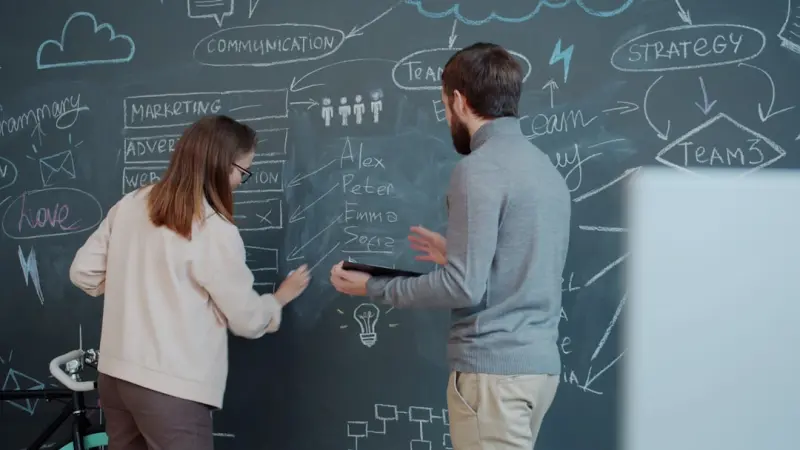
When I first walked into a traditional lecture hall, the rows of seats faced forward like soldiers awaiting orders, and the chalkboard reigned supreme. Today, that static tableau is giving way to a fluid ecosystem where ideas bounce off each other as readily as a ball in a game of keep‑away. Digital collaboration platforms have turned every student’s device into a microphone, allowing voices that once lingered in the back row to join the conversation in real time. The shift is not merely cosmetic; it reshapes how knowledge is constructed, moving from a teacher‑centered transmission model to a networked co‑creation process that mirrors the way modern workplaces solve problems.
The Rise of Real‑Time Co‑Creation Tools
Tools like shared whiteboards, live‑editing documents, and immersive VR workspaces have become the new “chalk and talk” of the 21st‑century classroom. In a single session, a group of learners can brainstorm on a digital canvas, annotate a video, and instantly see each other's contributions, fostering a sense of collective ownership over the material. This immediacy breaks down the latency that once forced teachers to pause for hand‑raising and note‑taking, enabling a continuous feedback loop where misconceptions are corrected on the fly. As a result, engagement spikes, retention improves, and students develop the confidence to experiment without fear of making irreversible mistakes.
Peer‑to‑Peer Learning: Turning Students into Teachers
One of the most profound outcomes of collaborative technology is the empowerment of students to become teachers for one another. When learners explain concepts in their own words, they reinforce their understanding while offering fresh perspectives that might resonate better with peers. Platforms that support breakout rooms, discussion threads, and peer‑review assignments encourage this reciprocal teaching dynamic, turning the classroom into a living laboratory of knowledge exchange. The ripple effect extends beyond grades; it cultivates communication skills, empathy, and the ability to articulate complex ideas succinctly—competencies that are indispensable in any future career.
Adaptive Learning Engines That Respond to Group Dynamics
Beyond static resources, adaptive learning engines now analyze group interactions to tailor content on the fly. By monitoring how students collaborate—identifying who asks questions, who offers solutions, and where bottlenecks emerge—these systems can suggest supplemental material, pose targeted challenges, or rearrange teams to balance expertise. The technology acts like a silent facilitator, ensuring that no learner is left behind while keeping high‑achievers sufficiently stimulated. This nuanced approach mirrors the differentiated instruction strategies that seasoned educators have championed for decades, but it does so at scale and with data‑driven precision.
Integrating Collaboration into Assessment Strategies
Assessment has long been the Achilles’ heel of collaborative learning, with educators fearing that group work dilutes individual accountability. Modern solutions, however, embed analytics that track each participant’s contributions, allowing for a transparent appraisal of both collective outcomes and personal input. Rubrics can now factor in metrics such as idea generation frequency, revision depth, and peer feedback quality, turning collaboration into a quantifiable competency. When students see that their collaborative effort directly influences their grades, motivation soars, and the classroom culture shifts toward shared responsibility and pride.
Bridging the Digital Divide with Inclusive Design
While technology promises to democratize learning, it also risks widening gaps for students lacking reliable internet or up‑to‑date devices. Inclusive design principles—offline sync capabilities, low‑bandwidth modes, and mobile‑first interfaces—ensure that collaborative tools remain accessible to all. Schools that prioritize these features create a level playing field where every learner can participate fully, regardless of socioeconomic status. Moreover, teachers can leverage simple, universally available tools such as shared Google Docs or open‑source whiteboards to foster collaboration without incurring prohibitive costs.
Environmental Impact: Greener Choices for Digital Classrooms
Beyond pedagogy, digital collaboration carries a hidden environmental benefit: reduced paper waste and lower campus energy consumption. When assignments, peer reviews, and brainstorming sessions move to the cloud, the need for physical handouts and printed materials dwindles dramatically. Schools that adopt these practices not only cut costs but also align with broader sustainability goals. For a deeper look at how eco‑friendly decisions can shape everyday operations, explore greener choices for digital classrooms, a resource that outlines actionable steps for administrators and teachers alike.
Future Outlook: From Collaboration to Innovation Hubs
The trajectory of classroom collaboration points toward a future where schools function as mini‑innovation labs. By embedding real‑world projects, interdisciplinary challenges, and industry partnerships within collaborative platforms, educators can blur the line between learning and doing. Students will not only absorb theory but also apply it to solve tangible problems, preparing them for the fluid, team‑oriented workplaces of tomorrow. As this ecosystem matures, the role of the teacher evolves into that of a curator, guiding curiosity, connecting resources, and nurturing the next generation of creators.
Practical Steps to Kickstart Collaborative Learning Today
For educators eager to transition from lecture‑centric methods to collaborative ecosystems, the path begins with small, intentional changes. Start by selecting a single tool—perhaps a shared whiteboard or a real‑time document editor—and integrate it into one lesson plan. Encourage students to co‑author a brief summary, then discuss the process openly, highlighting what worked and what didn’t. Gradually expand the scope, incorporating peer‑review cycles, breakout discussions, and adaptive feedback loops. To understand how technology frameworks can support these initiatives, consider the insights from smart plugins shaping education tech, which offers a roadmap for aligning digital infrastructure with pedagogical goals.

David Moore is a freelance writer specializing in two dynamic and ever-evolving fields: gambling and the tech industry. With a keen eye for detail and a knack for unraveling complex topics, David delivers insightful and engaging content that keeps readers informed and entertained.
Related Posts

Creative Sprints: Energizing the Modern Classroom
Explore the power of creative sprints in education, a fast‑paced approach that revitalizes lessons... Read More
Microlearning: The SaaS Team’s Secret Weapon for Continuous Growth
Microlearning breaks traditional training into bite‑size, contextual modules that fit into a SaaS ... Read More
Personalized AI Learning Paths: Redefining Corporate Upskilling
AI-driven adaptive learning pathways replace generic training with tailored experiences, increasing ... Read More
Top Posts

The Intersection of Sustainable Living and Personal Finance
The intersection of sustainable living and personal finance offers a new era of eco-friendly investing. Learn how adopting sustainable practices and investing i...Read More

ChatGPT as Your Everyday Creative Partner
Explore how ChatGPT transforms daily work—from idea generation and code snippets to mindful planning—while staying ethical and privacy‑smart....Read More

Low‑Code Data Integration: Turning Fragmented Sources into Real‑Time Insight
Low‑code data integration platforms replace fragile spreadsheets with visual, real‑time pipelines, empowering citizen builders, ensuring data quality, and a...Read More
Privacy‑First Real‑Time Marketing Dashboards: The New Frontier for Digital Marketers
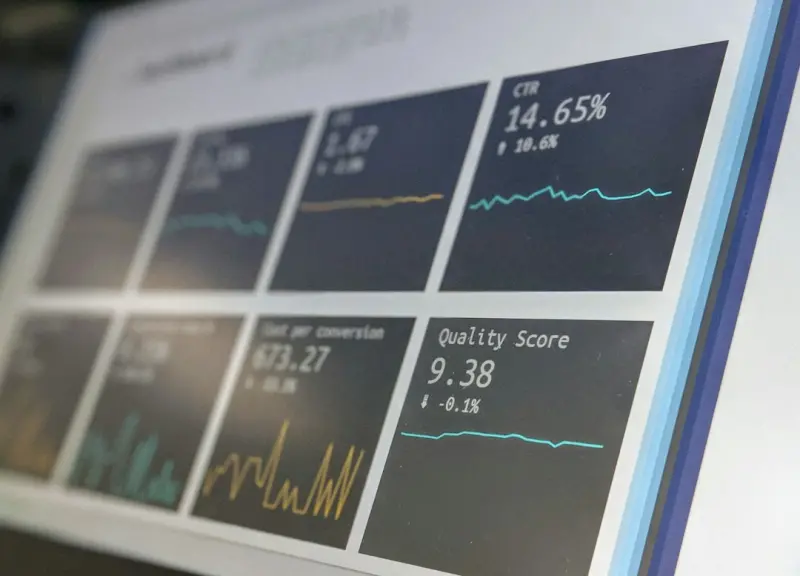
A step‑by‑step guide to creating real‑time, privacy‑first marketing dashboards, covering data integration, consent management, visualization tools, and ...Read More
0 Comments
Post Comment
You will need to Login or Register to comment on this post!