
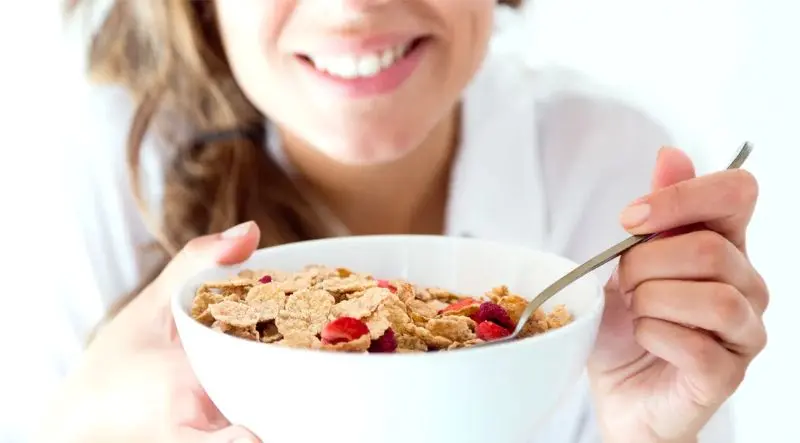
When we think about cardiovascular health, our minds often wander to rigorous exercise regimens, stress management, and complex Mediterranean diet meal plans. Yet, one of the most powerful arenas for protecting your ticker is sitting quietly in your pantry aisle: the breakfast bowl.
Cardiologists and registered dietitians frequently emphasize that heart health isn’t built on a single superfood, but rather on consistent, daily dietary choices. The American Heart Association consistently underscores the importance of whole grains and soluble fiber in lowering LDL (“bad”) cholesterol, stabilizing blood sugar, and reducing systemic inflammation.
Unfortunately, the cereal aisle can be a minefield of refined carbohydrates, hidden sodium, and alarming amounts of added sugars—disguised as health foods with glossy marketing. To help you navigate this aisle with clinical precision, we consulted leading cardiologists and clinical dietitians to identify the top seven breakfast cereals specifically formulated—by nature or science—to support a robust cardiovascular system.
1. Old-Fashioned Rolled Oats (or Steel-Cut Oats)
- The Heart-Healthy Mechanism: Beta-glucan soluble fiber.
If there is a holy grail of heart-healthy breakfast foods, oatmeal is it. Both cardiologists and dietitians consistently rank plain, old-fashioned rolled oats (or steel-cut oats) as the ultimate cardiovascular champion.
“Oats are rich in a specific type of soluble fiber called beta-glucan,” explains Dr. Elizabeth Vaughan, a preventative cardiologist. “Beta-glucan acts like a sponge in your digestive tract, binding to cholesterol-rich bile acids and helping your body excrete them. This forces your liver to pull cholesterol from your bloodstream, effectively lowering your LDL levels.”
- Dietitian Tip: Skip the flavored, instant oatmeal packets, which often contain upwards of 12 grams of added sugar per serving. Instead, cook plain rolled oats with water or low-fat dairy/unsweetened plant milk, and naturally sweeten your bowl with fresh berries, a dash of cinnamon, and a handful of walnuts.
2. 100% Whole Wheat Shredded Wheat
- The Heart-Healthy Mechanism: High fiber, zero added sugar, and whole-grain integrity.
When dietitians look at a cereal box, the ingredient list is their primary diagnostic tool. Traditional, unsweetened shredded wheat passes the test with flying colors. Usually featuring just one ingredient—100% whole grain wheat—it delivers a massive punch of dietary fiber without any added sugars, artificial dyes, or excessive sodium.
“Whole grains retain all three parts of the grain kernel: the bran, germ, and endosperm,” notes clinical dietitian Marcus Vance, RD. “This means you get a steady release of energy, which prevents the blood sugar spikes that can damage blood vessels over time. Furthermore, the high fiber content aids in maintaining a healthy weight, a major factor in blood pressure control.”
- Dietitian Tip: Because shredded wheat can taste like hay to the uninitiated, elevate your bowl with sliced bananas, a drizzle of real honey (in moderation), and a sprinkle of chia seeds for an extra dose of Omega-3 fatty acids.
3. Ezekiel 4:9 Sprouted Grain Cereal
- The Heart-Healthy Mechanism: Sprouted grains and complete amino acid profiles.
Based on the biblical verse, Ezekiel cereal is made from a living synergy of sprouted organic wheat, barley, millet, spelt, lentils, and soybeans. The sprouting process is what makes this cereal a darling among cardiologists.
Sprouting breaks down enzyme inhibitors, making the vitamins, minerals, and proteins in the grains significantly easier for the body to absorb. More importantly, sprouting increases the availability of fiber and antioxidants while reducing phytic acid, which typically blocks mineral absorption.
“Ezekiel cereal is a powerhouse because it combines whole grains with legumes,” says Dr. Vaughan. “This provides a complete protein and a complex matrix of fiber that supports endothelial function—the health of the inner lining of your blood vessels.”
- Dietitian Tip: Ezekiel cereal has a dense, crunchy texture. Pair it with soy milk or dairy milk to boost the protein content even further, making it a satiating morning meal that keeps hunger—and mid-morning snacking—at bay.
4. Bran Flakes (Specifically High-Fiber Wheat Bran Varieties)
- The Heart-Healthy Mechanism: Wheat bran and insoluble/soluble fiber synergy.
Bran flakes have been a breakfast staple for decades, and for good reason. The outer layer of the wheat kernel (the bran) is densely packed with dietary fiber. A single serving of a quality bran cereal can knock out nearly half of your recommended daily fiber intake.
“Fiber is the cornerstone of a heart-healthy diet,” says Vance. “Not only does it manage cholesterol, but it also feeds the beneficial bacteria in your gut. A healthy microbiome produces short-chain fatty acids, which have been shown to reduce systemic inflammation—a primary driver of atherosclerosis (plaque buildup in the arteries).”
- Dietitian Tip: Check the nutrition label carefully. Many commercial bran flakes sneak in high amounts of high-fructose corn syrup or refined white sugar. Look for a brand where fiber is at least 5 to 6 grams per serving and added sugars are kept under 5 grams.
5. Post Grape-Nuts
- The Heart-Healthy Mechanism: Nutrient density and sustained glycemic control.
Though it might surprise some, this rugged, heritage cereal gets high marks from dietitians due to its remarkably simple ingredient list: whole grain wheat flour, malted barley flour, salt, and added B-vitamins and iron.
Grape-Nuts contain zero added sugars and pack a staggering amount of complex carbohydrates and fiber per serving. Because the ingredients are dense and minimally processed, the body takes a long time to break them down. This results in a very low glycemic index, preventing the rapid insulin spikes that contribute to arterial inflammation and metabolic syndrome.
- Dietitian Tip: Grape-Nuts are notoriously dense. Let them sit in warm milk for a few minutes to soften, or mix them into a bowl of oatmeal to add a satisfying, nutty crunch without compromising your health goals.
6. Homemade or Low-Sugar Artisanal Muesli
- The Heart-Healthy Mechanism: Raw oats, nuts, seeds, and healthy fats.
Unlike traditional toasted granola—which is often baked in oceans of canola oil and maple syrup—traditional muesli is raw, unprocessed, and deeply rooted in heart-healthy European traditions. A standard muesli blend features rolled oats, raw nuts (like almonds or walnuts), seeds (like flax or pumpkin), and dried fruit.
“Muesli is fantastic because it introduces healthy fats alongside soluble fiber,” says Dr. Vaughan. “Walnuts and flaxseeds are rich in alpha-linolenic acid (ALA), a plant-based omega-3 fatty acid that helps lower blood pressure, reduce triglycerides, and prevent irregular heart rhythms.”
- Dietitian Tip: Read store-bought muesli labels to ensure dried fruits haven't been coated in extra sugar or sulfur dioxide. Better yet, make your own large batch at home by mixing raw rolled oats, sliced almonds, pumpkin seeds, hemp hearts, and unsweetened coconut flakes.
7. Amaranth or Quinoa-Based Puffs (Ancient Grain Cereals)
- The Heart-Healthy Mechanism: Pseudograins rich in antioxidants and magnesium.
For those who are sensitive to gluten or simply want to branch out from traditional wheat and oats, puffed ancient grains like amaranth, quinoa, and sorghum are exceptional choices. Naturally gluten-free and light as air, these puffed grains can serve as a base for a heart-healthy bowl.
Magnesium is a vital mineral for cardiovascular health, playing a direct role in regulating blood pressure and maintaining a steady heartbeat. Ancient pseudograins like amaranth and quinoa are remarkably high in magnesium, potassium, and protective antioxidants like flavonoids.
- Dietitian Tip: Puffed ancient grains can lack flavor on their own and become soggy quickly. Toss them with fresh berries, a sprinkle of cinnamon, and a splash of unsweetened almond or cashew milk, and eat them quickly to enjoy their delicate crunch.
The Cardiologist's Checklist: How to Read a Cereal Box
If you are browsing the aisle and want to evaluate a cereal not on this list, keep these three golden rules from dietitians and cardiologists in mind:
- The Fiber Rule: Look for at least 4 to 5 grams of dietary fiber per serving.
- The Sugar Rule: Keep added sugars to less than 5 grams per serving. (Remember: ingredients are listed by weight, so if sugar appears in the first three ingredients, put the box back).
- The Sodium Rule: Cardiovascular health is intimately tied to blood pressure. Aim for cereals that contain less than 140 milligrams of sodium per serving.
By swapping your sugary morning routine for one of these heart-conscious bowls, you aren't just eating breakfast—you're making a proactive investment in the longevity of your cardiovascular system.

Freelance writer with a flare for everything. I am passionate about topics I write crafting stories and compelling content that connect with audiences. Journeying through the realms of creativity as a freelance creator. #WriterLife #ContentCreator
Related Posts
10 Foods You Shouldn't Cook in Your Instant Pot
Instant Pots have taken the world by storm with their multi-functionality and ease of use. They have... Read More

The Mystery: Examining the Edibility and Safety of the Green Stuff in Lobster
The American lobster (Homarus americanus) is a globally prized delicacy, heralded for its sweet, suc... Read More

Flavorful Moments: How Food Fuels Creativity and Wellness
Discover how daily rituals, seasonal produce, and smart kitchen tools turn meals into creative fuel,... Read More
Top Posts

When Communities Go Digital: Rethinking Social Bonds in the Age of Distributed Work
A deep dive into the societal shift sparked by distributed work, highlighting new neighborhood hubs, collective data stewardship, community currencies, and the ...Read More

Mastering Modern Web Development: Trends, Tools, and Tactical Choices
A deep dive into today’s web development landscape, covering Jamstack, serverless, performance budgets, security culture, and smart hosting choices for resili...Read More

Taking Your Gaming To The Next Level With The Best Gaming Controllers
In the early days of gaming, the "controller" was a utilitarian plastic brick with two buttons and a D-pad that felt like it was designed by someone who had nev...Read More

Unlocking the Power of Energy Data with SaaS Intelligence
A deep dive into how SaaS‑driven data pipelines, AI‑powered demand response, and decentralized energy marketplaces are reshaping the energy sector, offering...Read More
0 Comments
Post Comment
You will need to Login or Register to comment on this post!