

Why the Car of Tomorrow Is Already Driving Your Data
When I first sat behind the wheel of a prototype electric sedan that could “talk” to my smartphone, I felt like I was living inside a sci‑fi novel. The dashboard lights weren’t just gauges—they were data points, whispering insights about my driving habits, the health of the battery, and even the mood of the traffic around me. It struck me that the automotive world is undergoing a quiet revolution: vehicles are no longer isolated machines, they are dynamic data hubs that shape, and are shaped by, the digital ecosystems we inhabit.
From Steel to Silicon: The Evolution of the Modern Car
The classic image of a car—a steel shell, a roaring engine, a driver at the helm—has been supplanted by a more nuanced portrait. Today’s automobiles are layered with sensors, high‑performance CPUs, and cloud‑connected modules that generate terabytes of data every hour. This shift is not merely about adding gadgets; it reflects a strategic pivot toward predictive intelligence. Manufacturers are embedding machine‑learning models directly into the vehicle architecture, allowing cars to anticipate failures before they happen, suggest optimal routes based on real‑time congestion, and even negotiate parking spots on your behalf.
Predictive Maintenance: A New Lease on Vehicle Longevity
Imagine a world where your car alerts you that the brake pads are wearing down—not after a squeal, but days before they become a safety issue. Predictive maintenance is already a reality, thanks to the relentless stream of telemetry that modern cars produce. By feeding sensor data into sophisticated algorithms, manufacturers can forecast component wear with uncanny accuracy. This not only reduces unexpected breakdowns but also extends the overall lifespan of the vehicle, delivering tangible cost savings to owners and fleets alike.
Data‑Driven Design: How Manufacturers Are Listening to Your Drive
In the past, vehicle design was a top‑down process: engineers sketched prototypes, conducted limited road tests, and then launched. Now, manufacturers are turning to digital twins—virtual replicas of physical cars that mirror real‑world performance in real time. These twins ingest live data from thousands of cars on the road, allowing engineers to tweak suspension settings, adjust aerodynamics, or recalibrate battery management systems without ever lifting a wrench. The result? Cars that evolve post‑sale, receiving over‑the‑air updates that feel like a software patch for your favorite app.
Cybersecurity on Wheels: Protecting the Connected Car
With great connectivity comes great responsibility. As vehicles become more software‑centric, they also become attractive targets for malicious actors. A compromised infotainment system could, in theory, grant an intruder control over steering or braking functions. To combat this, automakers are adopting a zero‑trust architecture, segmenting critical control systems from consumer‑facing interfaces and encrypting every data packet that traverses the vehicle’s internal network. Moreover, continuous security patches—delivered the same way smartphones receive updates—are essential to staying ahead of evolving threats.
Electric Vehicles and the Charging Data Ecosystem
Electric vehicles (EVs) have sparked a parallel data revolution in the energy sector. Every charge cycle, voltage spike, and temperature fluctuation is logged, creating a granular portrait of battery health. This information feeds back into grid operators, enabling smarter load balancing and reducing the likelihood of blackouts during peak charging periods. For drivers, this translates into dynamic pricing models where you can schedule charging when electricity is cheapest, effectively turning your car into a portable energy storage device.
Subscription Mobility: The Rise of Vehicle‑as‑a‑Service
Ownership is no longer the only path to personal mobility. Subscription services now let users swap between sedan, SUV, and even a high‑performance sports car with a few taps. Behind the scenes, a complex data infrastructure tracks vehicle availability, usage patterns, and wear‑and‑tear metrics to optimize fleet rotation. This model aligns perfectly with the broader shift toward “as‑a‑service” offerings across technology sectors, and it leverages the same data‑centric principles that power cloud‑based SaaS platforms.
Leveraging Synthetic Data for Safer Autonomous Driving
One of the biggest hurdles for autonomous vehicle (AV) development is obtaining diverse, high‑quality training data. Real‑world driving scenarios are endless, but rare edge cases—like a child darting onto the road in a snowstorm—are difficult to capture in sufficient quantity. This is where synthetic data steps in. By generating realistic virtual environments, engineers can expose AV algorithms to a myriad of hazardous situations without putting anyone at risk. The synthetic scenarios are meticulously labeled, accelerating the learning curve and enhancing safety outcomes.
Building a Lean, Adaptable SaaS Stack for Automotive IoT
The explosion of connected car services demands a robust yet flexible software backbone. Companies that cling to monolithic platforms quickly find themselves drowning in technical debt. Instead, a modular approach—akin to the strategic tool hygiene mindset—allows automotive firms to cherry‑pick the best‑in‑class solutions for data ingestion, analytics, and real‑time messaging. This agility not only shortens time‑to‑market for new features but also reduces operational overhead, a crucial advantage in the fiercely competitive mobility space.
AI‑Powered Plugins: Enhancing the In‑Car Experience
Think of the car’s infotainment system as a smartphone that never sleeps. By integrating AI‑powered plugins, developers can enrich the driver’s journey with context‑aware assistants that understand natural language, recommend music based on mood, and even suggest optimal routes that factor in personal preferences like scenic drives or fuel efficiency. These plugins operate on the edge, processing data locally to minimize latency while still tapping into cloud resources for heavy‑lifting tasks such as language translation or advanced navigation.
The Human Touch: Balancing Data with Driver Intuition
All the data in the world cannot replace the nuanced judgment of a seasoned driver. The most successful automotive solutions are those that blend algorithmic precision with human intuition. For instance, a driver may prefer a slightly longer route that offers a more enjoyable driving experience. Intelligent systems should respect such preferences, offering suggestions rather than mandates. This collaborative model fosters trust, ensuring that technology augments rather than overrides the driver’s agency.
Looking Ahead: The Car as a Living Platform
As we stand on the cusp of a hyper‑connected future, the car is morphing from a static product into a living platform—one that evolves, learns, and adapts long after the purchase. The convergence of predictive maintenance, synthetic data, modular SaaS architectures, and AI plugins creates an ecosystem where each vehicle becomes a personal data center, continuously improving itself and the broader mobility network. For consumers, this promises safer, more efficient, and deeply personalized journeys. For the industry, it heralds a paradigm shift where software, not steel, becomes the primary differentiator.

Margaret Thomson is a seasoned freelance writer specializing in the dynamic worlds of marketing and advertising. With a career deeply rooted in the marketing field, Margaret brings a wealth of practical experience and insightful knowledge to her writing.
Related Posts
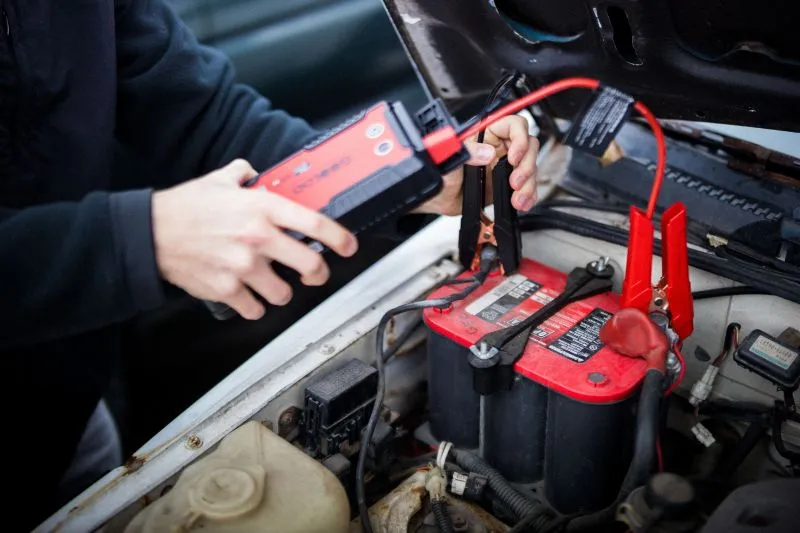
What's the Best Automotive Jump Starter for Your Vehicle?
The sudden silence of a failed engine start is a familiar and frustrating experience for many driver... Read More

Why Car Ownership Is Evolving Into a Subscription Service
A deep dive into the rise of car subscriptions, how digital twins and modular platforms enable flexi... Read More

Why are used car prices rising and becoming less affordable
The United States and global automotive markets are undergoing a fundamental transformation. Histori... Read More
Top Posts

The Future of Email Marketing in 2024: Insights from Sanji Patel
Sanji Patel shares cutting‑edge email marketing tactics for 2024, from AI‑driven personalization to mobile‑first design, ensuring your campaigns stay ahea...Read More

The Evolution of TikTok: Understanding its Impact on Modern Society
The rise of TikTok has been phenomenal, captivating the attention of millions of users worldwide. This article explores the evolution of TikTok, its impact on m...Read More

The Science‑First Beauty Revolution: Transparency, Personalization, and Sustainable Innovation
The beauty industry is shifting toward a science‑first approach—transparent ingredients, data‑driven personalization, and sustainable packaging—building...Read More

AI Safety as a Growth Engine: Why Trust Is Your Most Valuable Feature
AI safety isn’t a compliance checkbox; it’s a strategic differentiator. Learn how to embed rigorous safety practices into your SaaS product to earn trust, a...Read More
0 Comments
Post Comment
You will need to Login or Register to comment on this post!