

From Ownership to Access: The Subscription Revolution in Automotive Mobility
When I first stepped into a sleek, subscription‑only showroom a few months ago, I expected to be dazzled by the latest paint job or a high‑tech infotainment screen. Instead, what caught my attention was the simplicity of the contract: a monthly fee, a curated vehicle, and the promise of swapping it out whenever my life demanded a change. It felt less like buying a car and more like signing up for a premium streaming service—only the “content” rolls on four wheels.
This shift is more than a marketing gimmick. It’s a structural re‑thinking of how we experience mobility. As an automotive enthusiast who has spent years watching the industry wrestle with electrification, autonomy, and connectivity, I’m now witnessing the next wave: the transition from traditional ownership to subscription‑based access.
Why Consumers Are Embracing Car Subscriptions
- Flexibility without Commitment – The average driver now expects flexibility akin to what they receive from SaaS platforms. A subscription allows them to change vehicle types—sedan, SUV, electric hatchback—without the long‑term financial and logistical burden of ownership.
- All‑Inclusive Pricing – Maintenance, insurance, roadside assistance, and even charging credits are bundled into a single, predictable monthly charge. No surprise repair bills or fluctuating insurance premiums.
- Access to Premium Models – By spreading the cost over time, drivers can experience high‑end models that would otherwise be out of reach, turning “dream car” fantasies into monthly realities.
- Eco‑Conscious Choices – Subscriptions often prioritize electric or hybrid vehicles, nudging users toward lower‑emission options without demanding a permanent switch.
These benefits align closely with the evolving expectations of a generation that values experience over possession. In a world where streaming services have replaced DVD rentals, it’s no surprise that the automotive sector is following suit.
Manufacturers’ Perspective: A New Revenue Engine
For OEMs, subscriptions open a recurring‑revenue stream that resembles the subscription models that have transformed software and media. Instead of a single transaction followed by years of depreciation, manufacturers now collect steady income over the life of the subscription.
But the advantage goes beyond cash flow:
- Data‑Driven Product Development – With every mile logged, manufacturers gain granular insights into how different demographics use various vehicle features. This data fuels faster iteration cycles and more targeted R&D.
- Inventory Optimization – By managing a fleet of subscription vehicles, brands can predict demand more accurately and reduce over‑production, leading to leaner supply chains.
- Customer Lifetime Value (CLV) – A driver who swaps vehicles every 12 months stays engaged with the brand longer than a buyer who purchases a single car and then disappears.
To make this model work at scale, manufacturers need robust digital infrastructure. The same principles that power multi‑cloud hosting strategies—resilience, scalability, and data sovereignty—are now being applied to vehicle fleets, ensuring that subscription platforms can handle spikes in demand and deliver a seamless user experience.
Technology Enablers: The Hidden Backbone
While the headline is the subscription model itself, the real magic happens behind the scenes. Three technology pillars are essential:
- Connected Car Platforms – Real‑time telematics feed vehicle status, mileage, and usage patterns to the subscription backend. This ensures accurate billing and proactive maintenance alerts.
- API‑First Ecosystems – Open car APIs let third‑party services integrate financing, insurance, and charging networks into a single seamless checkout flow. The result is a frictionless end‑to‑end experience that feels as simple as ordering a meal delivery.
- Cloud‑Native Data Lakes – Massive streams of sensor data are stored, processed, and analyzed in the cloud. Advanced analytics turn raw data into actionable insights—like predicting when a vehicle will need a tire rotation before the driver even notices the wear.
These components collectively create an ecosystem where a subscription can be activated with a few taps on a smartphone, and the vehicle is ready for pick‑up or delivery within hours.
Challenges and How the Industry Is Overcoming Them
Every disruption brings its own set of hurdles. Here are the most pressing issues and the emerging solutions:
- Regulatory Compliance – Subscription models blur the lines between leasing, renting, and selling. Regulators are working to define clear guidelines, and many manufacturers are partnering with legal tech firms to stay ahead of the curve.
- Consumer Trust – Some drivers worry about hidden fees or the condition of swapped vehicles. Transparent contracts, real‑time condition reports, and third‑party inspections are being incorporated to build confidence.
- Logistics Management – Moving cars between locations at scale requires sophisticated fleet management software. Companies are leveraging AI‑driven routing algorithms to minimize mileage and reduce carbon footprints.
- Technology Integration – Legacy dealership systems often clash with modern subscription platforms. API‑first approaches and micro‑service architectures are bridging the gap, allowing older systems to communicate without a full overhaul.
The Consumer Journey: A Day in the Life of a Subscriber
Imagine waking up on a rainy Monday, checking your phone, and deciding you need a compact electric hatchback for city commuting. Within minutes, you confirm the swap, a driver picks up your current SUV, and the hatchback is delivered to your doorstep. By Friday, your weekend plans involve a road trip to the mountains, so you upgrade to a rugged crossover—complete with built‑in roof racks and all‑wheel drive. The subscription platform automatically adjusts the monthly fee, updates your insurance, and pre‑charges the charging network.
This fluid experience is no longer a distant vision. It’s already happening in major markets, and as the model matures, the friction points will shrink further, turning multi‑vehicle ownership into a seamless, on‑demand service.
Impact on the Broader Automotive Landscape
Beyond individual drivers and OEMs, the subscription model influences the entire ecosystem:
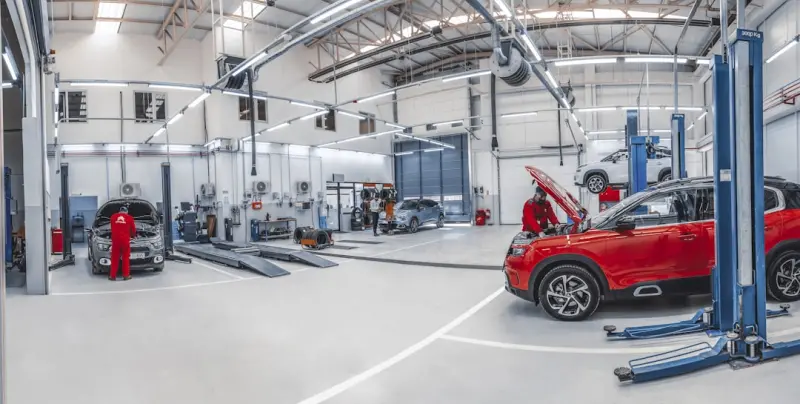
- Dealerships as Service Hubs – Traditional sales floors are evolving into “mobility hubs” where customers can test, subscribe, and exchange vehicles in a single visit.
- Insurance Innovation – Usage‑based insurance (UBI) aligns naturally with subscriptions, allowing premiums to adjust dynamically based on actual mileage and driving behavior.
- Infrastructure Investment – As electric vehicles become the default in many subscription fleets, governments and private firms are accelerating the rollout of fast‑charging networks to support the increased demand.
The ripple effect is a more sustainable, data‑rich, and consumer‑centric automotive world.
Looking Ahead: What the Next Five Years Could Hold
While I won’t name‑check “future” trends, it’s clear that the subscription model will continue to intersect with other emerging technologies:
- Autonomous Vehicle Integration – Self‑driving cars could become part of subscription fleets, offering driver‑less mobility on demand.
- Digital Twin Management – Virtual replicas of each vehicle will enable predictive maintenance and personalized feature upgrades in real time.
- Blockchain‑Based Ownership Records – Distributed ledgers could streamline the transfer of vehicle rights between subscribers, ensuring transparency and security.
These advancements will deepen the subscription ecosystem, making it an indispensable pillar of modern mobility.
Final Thoughts: Embracing the Subscription Mindset
As someone who has always loved the romance of owning a car, I admit that the idea of never truly “owning” a vehicle felt foreign at first. Yet, the convenience, cost predictability, and access to cutting‑edge technology have shifted my perspective. The subscription model isn’t about discarding ownership; it’s about redefining value in a way that aligns with how we live, work, and travel today.
If you’re a driver curious about this new paradigm, start by exploring the subscription offerings from brands you already trust. If you’re an OEM or dealer, consider how integrating subscription services could unlock new revenue streams and deepen customer relationships. And if you’re a technologist, there’s a burgeoning field waiting for innovative solutions that connect cars, data, and people in ways we’ve only begun to imagine.
Mobility is evolving. The question isn’t whether subscriptions will become part of the automotive landscape—it’s how we’ll shape the experience for the generations to come.

When it comes to the world of blogging and writing, Rose DesRochers is a name that stands out. Her passion for creating quality content and connecting with her audience has made her a trusted voice in the industry. Aside from her skills as a writer and blogger, Rose is also known for her compassionate nature.
Related Posts

Navigating the Cold: A Professional's 10-Step Guide to Winterizing Your Vehicle
As the vibrant hues of autumn begin to fade and the crispness in the air portends the colder months,... Read More
Your Car’s Next Upgrade: Predictive Maintenance as a Personal Health Coach
Predictive maintenance uses real‑time sensor data and AI to alert drivers of potential issues befo... Read More

Why Automotive Dash Cams Are Non-Negotiable for You and Your Insurance
In the contemporary automotive landscape, the complexity of traffic incidents, coupled with the pers... Read More
Top Posts

Wireless Audio: Evaluating the Best Bluetooth and Wi-Fi Earbuds
The True Wireless Stereo (TWS) earbud market has exploded into a dense landscape of innovation, where convenience no longer necessitates a compromise on quality...Read More

Links Still Matter to Google: Using Real World Connections
In the ever-evolving landscape of search engine optimization, few topics generate as much debate and misinformation as the role of backlinks. For years, the man...Read More

The Healing Power of Nature: How Sustainable Living Can Improve Mental Health
Explore the link between sustainable living and mental health, and learn practical tips on how to cultivate a deeper sense of well-being by embracing a more eco...Read More

Turning On-Page SEO Into a Trust Engine
A fresh perspective on on‑page SEO shows that trust—through intent alignment, structured data, interactive elements, and speed—is the new ranking catalyst...Read More
0 Comments
Post Comment
You will need to Login or Register to comment on this post!