
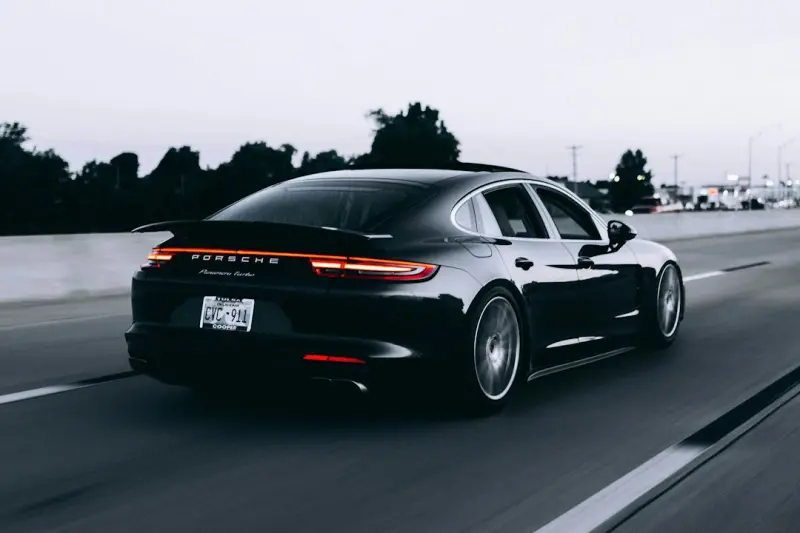
When I first cut my teeth on the open road, car ownership was a straight‑line transaction: pick a model, sign the paperwork, and drive away. Fast forward a few decades, and the same transaction now feels like a relic. In my experience, the most electrifying shift in the automotive world isn’t about horsepower or autonomous sensors—it’s the rise of subscription‑based car access, a model that’s quietly rewriting the rules of mobility, finance, and sustainability.
From Purchase to Subscription: What’s Changing?
Traditional car ownership bundles a vehicle, financing, insurance, maintenance, and the inevitable depreciation into one static package. A subscription, by contrast, slices those elements apart and offers them on a flexible, recurring‑payment basis. Think of it as Netflix for cars: you pay a monthly fee that covers the vehicle, insurance, routine service, and often even roadside assistance. When you’re ready for a change—maybe a switch from a compact city car to a weekend SUV—you simply swap.
This model appeals to a broad swath of drivers: urban millennials who value flexibility, families who need seasonal vehicle changes, and even corporate fleets seeking predictable budgeting. The subscription model also aligns with the broader “as‑a‑service” trend that’s reshaping software, entertainment, and now, transportation.
Why Consumers Are Jumping In
Flexibility without commitment. The average car ownership tenure in many markets now exceeds a decade. Subscriptions compress that timeline, letting drivers enjoy the latest models without a long‑term commitment.
All‑in‑one pricing. Monthly fees bundle insurance, maintenance, and sometimes even charging for electric vehicles (EVs). The simplicity of a single invoice is a breath of fresh air for anyone who’s ever dreaded the hidden costs that appear after the purchase.
Access to premium experiences. A subscription can grant access to a rotating garage of high‑end models—something most drivers could never afford outright. For enthusiasts, it’s an invitation to test‑drive a sports car on a weekend and a sleek sedan during the workweek.
Environmental consciousness. By encouraging vehicle rotation, subscriptions can reduce the total number of cars produced. When a vehicle is utilized more intensively across multiple users, the per‑driver carbon footprint drops. This is especially true when the fleet leans heavily on EVs.
Manufacturers’ Perspective: A New Revenue Engine
Automakers have long relied on the “sell‑once‑service‑forever” model, where the bulk of profit comes from after‑sales service and parts. Subscriptions flip that script by delivering a steady, recurring revenue stream that is less susceptible to economic cycles.
Consider the financial calculus: a subscription contract typically spans 12–36 months, with renewal rates often exceeding 80% due to the convenience factor. This predictable cash flow allows manufacturers to invest more aggressively in R&D—particularly in electrification and autonomous tech—knowing they have a stable income source.
Furthermore, subscription data provides a goldmine of insights into usage patterns, preferred vehicle configurations, and even regional demand fluctuations. With that data, manufacturers can fine‑tune production schedules, reduce inventory waste, and accelerate the rollout of new features via over‑the‑air updates.
Technology Backbone: The Role of Edge‑First SaaS
Delivering a seamless subscription experience hinges on robust, low‑latency connectivity between the vehicle, the user’s smartphone, and the service platform. This is where Edge‑First SaaS: Building Software at the Edge concepts become pivotal. By processing data at the network edge—right in the car or at nearby edge servers—providers can ensure real‑time diagnostics, instant eligibility checks, and swift OTA (over‑the‑air) updates without the lag of central cloud processing.
Edge computing also enhances security. Critical functions like authentication, anti‑theft monitoring, and payment processing can be isolated from broader internet exposure, reducing the attack surface for cyber‑threat actors. As the automotive industry becomes increasingly software‑centric, the ability to push updates securely and instantly becomes a competitive differentiator.
Connectivity Challenges and Enterprise Networking
Scaling a subscription fleet across multiple geographies demands a resilient, distributed network architecture. Traditional enterprise networking, built around static office environments, simply can’t keep up with the mobility and latency requirements of modern connected cars. The lessons from Rethinking Enterprise Networking for a Distributed World are directly applicable: you need software‑defined networking (SDN), dynamic bandwidth allocation, and edge‑centric routing to keep vehicles reliably connected, whether they’re cruising downtown or stuck in a remote mountain pass.
These networking upgrades also pave the way for advanced driver‑assistance systems (ADAS) and eventual Level 4/5 autonomy, which require split‑second data exchanges with cloud‑based AI models. A subscription platform that can guarantee that connectivity is far more likely to retain customers and attract new ones.
Financial Mechanics: Pricing the Subscription Right
Setting the right price point is an art and a science. Companies must balance three primary cost components:
- Vehicle depreciation. Subscription fees must cover the accelerated wear and tear from higher utilization rates.
- Insurance and liability. Premiums can vary widely based on driver demographics and region.
- Maintenance and support. Predictive maintenance, powered by telematics, can reduce unexpected repairs, but the infrastructure to monitor every vehicle still incurs costs.
Advanced analytics—leveraging historical usage data and predictive modeling—allow providers to segment customers and offer tiered plans. For example, a “basic” tier might include a compact car with limited mileage, while a “premium” tier unlocks higher‑end models and unlimited miles.
Regulatory Landscape: Navigating the Fine Print
Subscription models intersect with a mosaic of regulations: consumer protection laws, insurance statutes, and vehicle registration requirements. In many jurisdictions, a subscription is legally distinct from a lease or rental, which affects tax treatment and liability. Companies must stay vigilant, working closely with legal teams to ensure contracts are transparent and comply with local mandates.
Data privacy is another hot button. Telemetry collected for predictive maintenance is valuable, but it must be handled in line with GDPR, CCPA, and emerging automotive data regulations. Clear consent mechanisms and data‑minimization strategies are essential to maintain consumer trust.
Environmental Impact: More Than Just a Buzzword
When a fleet of subscription vehicles is optimized for high utilization, the total number of cars needed to serve a given population can shrink dramatically. Fewer cars on the road translate to reduced manufacturing emissions, less material waste, and a smaller end‑of‑life disposal burden.
Moreover, subscription providers are in a prime position to accelerate EV adoption. By bundling the cost of the vehicle with home charger installation and electricity pricing, they lower the perceived barrier for consumers hesitant about the upfront expense of an electric car. This integrated approach also ensures that charging infrastructure grows in tandem with vehicle demand.
Case Studies: Early Adopters Making Waves
Urban Mobility Co. Launched a city‑wide subscription service that offers three vehicle tiers: a compact electric hatchback, a mid‑size hybrid sedan, and a weekend SUV. Within 18 months, the company reported a 30% higher customer retention rate compared to traditional rental models, thanks to the seamless OTA updates and flexible swap program.
Corporate Fleet Solutions partnered with a major automaker to provide subscription fleets for employee commuting. By integrating edge‑based telematics, they reduced average maintenance costs by 22% and cut fuel consumption by 15% through predictive route optimization.
These examples underscore a growing consensus: subscription isn’t a niche experiment; it’s a scalable, profitable, and sustainable business model.
Challenges to Overcome
While the subscription model is promising, it’s not without hurdles:
- Initial capital outlay. Providers must purchase or lease a large fleet up front, which requires substantial financing.
- Vehicle turnover. Managing the logistics of swapping, cleaning, and re‑conditioning cars between users can be complex.
- Consumer perception. Some drivers still view ownership as a status symbol and may resist the idea of “sharing” a vehicle.
Addressing these challenges requires robust operational frameworks, clear communication of value propositions, and strategic partnerships with service providers (e.g., cleaning, detailing, and logistics firms).
The Road Ahead: What to Expect in the Next Five Years
Looking forward, I see three dominant trends shaping the subscription automotive space:
- Integration with Mobility‑as‑a‑Service (MaaS) platforms. Subscriptions will become a core component of broader mobility ecosystems that combine public transit, ride‑hailing, and bike‑share services.
- AI‑driven personalization. Leveraging deep learning, providers will predict individual driver preferences—suggesting vehicle types, optimal swap times, and even personalized infotainment content.
- Expanded sustainability incentives. Governments may offer tax credits or rebates for subscription models that prioritize low‑emission vehicles, further accelerating adoption.
Ultimately, the subscription model is about redefining the relationship between people and their cars. It shifts the focus from ownership to experience, from static assets to dynamic services. As we continue to embed edge computing, robust networking, and AI into every mile we travel, the subscription car will become not just an alternative, but the default way we think about mobility.
In my view, the next decade will see traditional dealerships evolving into experience centers, where the primary interaction is selecting a subscription package rather than negotiating a purchase price. And for those of us who love both cars and technology, that’s an exhilarating road to travel.

Jimmy Anand is a content creator that gets inspired by many aspects of life, internet or whatever inspires him at that moment. When he's not online he's gaming and when he is not gaming he is online trolling discussion boards.
Related Posts

When should you switch to winter tires?
As autumn's vibrant palette begins to fade and the crispness in the air hints at colder days, a crit... Read More

The Road Ahead: How Modern Cars Inspire Creative Innovation
From engine hums to electric silence, discover how modern cars shape my creative process and inspire... Read More

Why are used car prices rising and becoming less affordable
The United States and global automotive markets are undergoing a fundamental transformation. Histori... Read More
Top Posts

When Politics Moves Too Fast: Why Slowing Down Could Save Democracy
A fast‑paced political arena sacrifices depth for immediacy. Discover how embracing slow‑living strategies can revitalize democracy, fostering trust, nuance...Read More

How to Deal With Dandelions in your yard
For many homeowners, the sight of a vibrant yellow dandelion popping up through their meticulously manicured lawn can feel like a direct challenge. These cheerf...Read More

Content Creation Tools to Develop Powerful Content
In today's digital landscape, content is king. It's the backbone of any successful marketing strategy, and the quality of your content can make or break your on...Read More

The Future of Web Design: Trends to Watch
The future of web design is all about creating immersive, interactive experiences that engage and delight users. Learn about the latest trends and technologies ...Read More
0 Comments
Post Comment
You will need to Login or Register to comment on this post!