
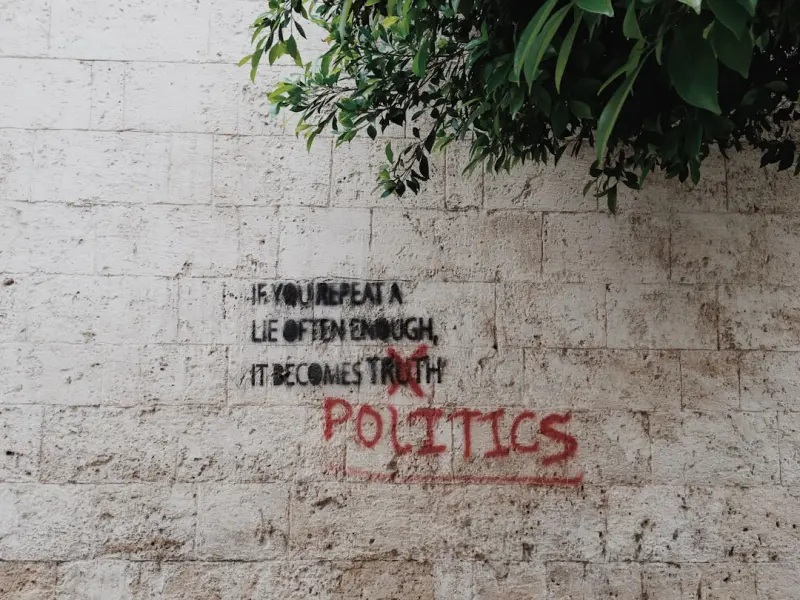
The Speed Trap of Contemporary Politics
Every election cycle feels like a sprint, a relentless dash where candidates are judged not by the depth of their ideas but by the velocity of their soundbites. Voters are bombarded with 30‑second clips, instant polls, and a constant churn of social‑media drama that rewards flash over substance. In this high‑octane arena, the very notion of thoughtful deliberation is eclipsed by the pressure to appear ever‑present, ever‑responsive, and endlessly “on.”
Media outlets, campaign consultants, and even grassroots activists have adopted a playbook that mirrors a newsroom’s breaking‑news mindset, where the next headline must arrive before the old one fades. The result is a political ecosystem where nuance is sacrificed on the altar of immediacy, and policy proposals are reduced to meme‑ready slogans. This frantic rhythm not only erodes public trust but also creates a feedback loop that incentivizes politicians to prioritize speed over sincerity.
Slow Living Principles as a Political Remedy
Imagine a political culture that embraces the deliberate cadence of slow living, where leaders take the time to listen, reflect, and craft policies with long‑term impact in mind. Slow living isn’t about lethargy; it’s a strategic pause that allows for deeper engagement, more inclusive dialogue, and the cultivation of trust between elected officials and constituents. By slowing the pace, we can replace reactionary headlines with sustained conversations that address systemic challenges.
In practice, this means rethinking campaign calendars, extending public comment periods, and rewarding politicians who demonstrate patience and thoughtfulness. Cities that have experimented with “deliberative forums” report higher citizen satisfaction and more resilient policy outcomes. The shift from a sprint to a marathon mindset also aligns with the growing public appetite for authenticity, as voters tire of the relentless spin that characterizes modern political theater.
Translating Theory into Campaign Strategy
Campaign teams can borrow tactics from the business world that successfully balance speed and depth. The article Balancing Speed and Strategy: The New Playbook for Modern Marketers illustrates how brands integrate rapid response with long‑term brand building; politicians can adopt a similar dual‑track approach. Rapid response teams handle breaking news, while a separate policy unit dedicates weeks or months to developing comprehensive legislative proposals.
Moreover, embracing slow‑living concepts encourages candidates to invest in community‑based listening tours rather than endless televised rallies. These tours create spaces where constituents can voice concerns without the pressure of a live‑broadcast timer, fostering richer data for policy formulation. By coupling swift communication on urgent matters with measured, research‑driven initiatives, campaigns can win both the moment and the future.
The Digital Battlefield: Speed, SEO, and Narrative Control
In today’s digital arena, political narratives are shaped by algorithms that prize speed, as detailed in Why Speed Is the Secret Weapon in Modern SEO. A fast‑loading, instantly searchable website can dominate the first page of search results, steering public discourse before opponents have a chance to respond. However, this race for rapid visibility often sacrifices accuracy, leading to misinformation spreading like wildfire.
Strategists who understand the balance can use speed to amplify well‑crafted, slow‑living‑inspired messages, ensuring that thoughtful content reaches voters before the noise drowns it out. By optimizing site performance and employing clear, concise messaging, political actors can dominate the digital space without resorting to sensationalism. The key is to treat speed as a conduit for substance, not a substitute for it.
A Call for Measured Governance
The ultimate test of this philosophy lies in governance, where the stakes are far higher than campaign optics. Legislators who adopt a slower, more reflective pace can craft laws that withstand future challenges, rather than reactive fixes that require constant amendment. This approach also fosters bipartisan collaboration, as extended dialogue reduces the pressure to score quick partisan victories.
Citizens, too, play a role by demanding accountability and resisting the allure of instant gratification. When voters prioritize depth over drama, politicians are compelled to adjust their tactics accordingly. By collectively embracing a slower, more deliberate political rhythm, we can rebuild the democratic foundation on a bedrock of trust, insight, and lasting impact.

Jim Pearse, a seasoned freelance writer, brings a wealth of knowledge and passion to the world of home and garden. From the intricacies of landscaping to the nuances of interior design, Jim delves into every aspect of creating comfortable, beautiful, and functional living spaces.
Related Posts

How Local Data Transparency Is Redefining Political Power
Open‑data portals in cities are sparking a grassroots revolution, turning raw municipal data into ... Read More

When Policy Meets Platform: Rethinking Governance in the Age of Decentralized Tech
A deep dive into how distributed technology is transforming political power, offering new tools for ... Read More

Data‑Driven Politics: How SaaS Tactics Are Redefining Democracy
A deep dive into the convergence of SaaS techniques and political strategy, revealing how data, micr... Read More
Top Posts

5 Email Verification Tools That Keep Bounce Rates Low
In today’s hyper‑connected marketplace, a single mis‑directed email can erode the credibility of an entire campaign. Marketers invest heavily in crafting ...Read More

Why Voice-First Mobile Apps Are Redefining User Engagement
Explore the rise of voice‑first mobile apps, their design challenges, privacy considerations, and the business upside that makes them a must‑have for modern...Read More

Turning City Streets into Living Gardens: A Community Blueprint
A step‑by‑step guide to converting urban spaces into community gardens, complete with compost hubs, soil health tips, and strategies for lasting impact....Read More

How to Get into a Weight Loss Routine
Losing weight is a journey, and like any journey, it requires a well-planned route to reach your desired destination. With so much information available online,...Read More
0 Comments
Post Comment
You will need to Login or Register to comment on this post!