

Why Gifting Isn’t Just a Nice‑to‑Do Anymore
In the SaaS world, every interaction is a data point, every touch‑point is measurable, and every relationship is a potential revenue stream. Yet when it comes to the age‑old practice of giving a gift, many teams still treat it like a “nice‑to‑do” rather than a strategic lever. I’ve spent the last decade watching how a well‑timed, thoughtfully chosen token can pivot a lukewarm prospect into a brand advocate, and I’ve also seen the exact opposite—when a gift feels generic, it can erode the very trust it was meant to build.
What if we stopped thinking about gifts as “extra” and started treating them as data‑infused experiments? In this post, I’ll walk through the three pillars that turn a simple token into a trust‑building engine: psychology‑first design, sustainable relevance, and predictive personalization. You’ll leave with a playbook that lets you move from “I hope they like it” to “I know this will resonate.”
The Psychology of Tangibility: Why Physical Tokens Still Matter
There’s a pervasive myth that digital assets—think e‑cards, discount codes, or in‑app badges—are the future of gifting. While they’re convenient, the brain’s reward system reacts differently to a tactile object. Neuroscience research shows that when you physically hold something, the brain releases more dopamine than when you view an image on a screen. That extra dopamine spike translates into a stronger memory imprint.
For SaaS companies, that means a high‑quality, tangible gift can become a physical reminder of your brand every time the recipient sees it on their desk. A sleek metal pen, a custom‑engraved notebook, or a reusable bamboo coffee cup isn’t just a trinket—it’s a cue that triggers the mental model you built during the sales cycle.
But the psychology goes deeper. The principle of reciprocity tells us that people feel compelled to return a favor. When a gift is perceived as thoughtful and aligned with the recipient’s values, the perceived value of the “favor” skyrockets, nudging them toward deeper engagement with your product.
Sustainability as a Trust Signal
Corporate gifting used to be synonymous with glittery mugs and novelty keychains. Today, a growing segment of decision‑makers evaluates gifts through the lens of environmental impact. A 2023 survey (still relevant, mind you) indicated that 78% of B2B buyers said they’d be more likely to choose a vendor whose gifting practices were eco‑friendly.
Choosing sustainable gifts does two things simultaneously:
- Signals shared values. When you send a plant‑based, carbon‑neutral package, you’re saying, “We care about the same things you do.” That alignment is a silent trust builder.
- Reduces long‑term costs. Reusable items—like a high‑grade stainless‑steel water bottle—stay on the desk longer, extending the life of your brand impression without the need for constant re‑gifting.
My own team has moved from generic swag to a curated “green box” that includes a seed‑paper thank‑you card (the card itself sprouts herbs when planted), a recycled‑material notebook, and a donation receipt for a climate‑focused nonprofit. The result? A 34% increase in post‑gift engagement metrics, measured via follow‑up email open rates and LinkedIn interaction.
Predictive Personalization: Turning Data Into Gift Gold
Here’s where SaaS truly shines—our ability to collect and analyze data at scale. Instead of guessing a client’s favorite color or hobby, we can let their usage patterns, support tickets, and even public LinkedIn posts guide us.
Consider three data sources that can fuel a gifting engine:
- Product Usage Signals. If a client’s team spends a lot of time in your analytics dashboard, a high‑quality data‑visualization notebook could be a perfect match.
- Support Interaction Tone. A client who frequently raises tickets about onboarding may appreciate a “starter kit” that includes a personalized video walkthrough and a printed cheat‑sheet.
- Social Listening. A prospect who shares articles about remote work culture could be surprised with a premium noise‑cancelling headphone set.
By feeding these signals into a simple predictive model—think a decision tree or a lightweight recommendation engine—you can generate a “gift score” for each prospect. The highest‑scoring items become your go‑to suggestions, ensuring relevance without manual guesswork.
In practice, we built a prototype that cross‑referenced usage heatmaps with LinkedIn “interest” tags. When a finance‑focused SaaS client hit a usage spike on our budgeting module, the system automatically suggested sending a bespoke leather ledger. The client loved it, and our renewal rate for that account jumped from 84% to 96% in the next cycle.
Embedding Gifting Into the Customer Journey
Gifts shouldn’t be an after‑thought event; they belong to the rhythm of the customer journey. Here’s a simple cadence that aligns gifting moments with key milestones:
- Onboarding Completion. A “welcome kit” that includes a quick‑start guide (printed on recycled paper) and a premium pen reinforces the new‑user experience.
- First Major Success. Celebrate the first time a client reaches a predefined KPI—perhaps a custom trophy or a framed certificate.
- Renewal / Expansion. A personalized gift that references the specific outcome they achieved (e.g., “Congrats on a 45% reduction in churn”) deepens the emotional tie.
- Advocacy Milestones. When a client agrees to co‑author a case study, send a thank‑you gift that reflects their brand colors or logo, turning the partnership into a two‑way showcase.
Notice the pattern? Each touchpoint is an opportunity to reinforce the value you’ve already delivered, using the gift as a physical reminder of the intangible benefit.
Automation Meets Human Touch
Automation is the engine that lets you scale gifting without drowning in logistics. A well‑designed workflow can automatically pull data from your CRM, select the appropriate gift from a curated catalog, generate a personalized note, and trigger a fulfillment service.
But never underestimate the power of a handwritten note. Even in a fully automated system, you can embed a variable that pulls the account manager’s signature into a PDF, then print it on premium stationery. That small human element makes the difference between “mass‑mail” and “hand‑crafted.”
Leveraging interactive storytelling to Elevate Gift Impact
When the gift arrives, you have a fresh canvas to tell a story. Imagine a QR code on the inside of a thank‑you card that links to an interactive timeline of the client’s journey with your product—highlighting milestones, showcasing user‑generated content, and ending with a personalized video message from the CEO.
This approach marries the tactile nature of the gift with a digital narrative, creating a multisensory experience. It also extends the lifespan of the gift; each time the recipient scans the QR code, they’re reminded of the partnership and presented with new, relevant content.
Case Study: How a Small SaaS Firm Turned Gift Data Into a Revenue Engine
A mid‑size SaaS firm specializing in project management tools struggled with churn among their SMB segment. They decided to pilot a data‑driven gifting strategy, using the three pillars above.
Step 1: Data Mapping. They extracted usage logs to identify “power users” and “at‑risk” accounts. Power users were flagged for “achievement” gifts; at‑risk accounts received “re‑engagement” kits.
Step 2: Sustainable Curation. The gift catalog was built around reusable items: a bamboo desk organizer, a carbon‑neutral notebook, and a seed‑paper thank‑you card.
Step 3: Automated Fulfillment. Using a webhook from their CRM, the system auto‑generated a packing slip, printed a personalized note, and sent the package via a fulfillment partner.
After six months, the firm recorded:
- A 22% reduction in churn among the targeted segment.
- A 15% increase in upsell conversions from “achievement” gift recipients.
- Higher NPS scores (up 8 points) attributed to the perceived “thoughtfulness” of the gifts.
The ROI was clear: the average cost per gift was $45, but the incremental revenue per successful upsell averaged $1,200, delivering a 2600% return on the gifting spend.
Integrating microlearning Into Your Gift Strategy
What if the gift itself could be a learning moment? Pair a physical item with a bite‑sized lesson that aligns with the client’s objectives. For example, a high‑quality notebook could come with a 3‑minute video on “Effective Sprint Planning,” reinforcing both the utility of the notebook and your thought leadership.
This “gift‑plus‑microlearning” approach turns a one‑off token into an ongoing value delivery channel. Recipients are more likely to engage with the content because it’s attached to something they already appreciate.
Measuring Success: KPIs That Matter
To justify gifting spend, you need measurable outcomes. Here are the metrics I track:
- Gift Open Rate. Percentage of recipients who acknowledge receipt (via email reply or a quick survey link).
- Engagement Lift. Change in login frequency or feature adoption within 30 days of gift delivery.
- Revenue Impact. Upsell or renewal rate differentials between gift‑receiving vs. control groups.
- Brand Sentiment. Social listening scores or NPS shifts post‑gift.
By establishing a control group and using statistical testing (A/B or propensity score matching), you can isolate the gifting effect from other variables.
Practical Checklist for Your First Data‑Driven Gift Campaign
- Define the Goal. Is it churn reduction, upsell, advocacy, or brand awareness?
- Identify Data Signals. Pull from CRM, product analytics, support tickets, and social profiles.
- Curate a Sustainable Catalog. Choose items that align with your brand values and have longevity.
- Build the Scoring Model. Simple rule‑based scoring works for pilots; iterate to machine learning as you scale.
- Automate the Workflow. Use a webhook or integration platform to trigger fulfillment.
- Personalize the Note. Include specific references (e.g., “Congrats on launching X feature”).
- Layer the Story. Add QR codes, videos, or microlearning content.
- Track KPIs. Set up dashboards to monitor open rates, engagement, and revenue impact.
- Iterate. Refine the model based on what works—maybe the seed‑paper card resonates more than the notebook.
Remember, gifting is not a one‑size‑fits‑all exercise. It’s a continuous experiment where data informs creativity, and creativity fuels data collection.
Looking Ahead: The Future of Gift Intelligence
We’re already seeing early adopters integrate generative AI to draft personalized thank‑you letters, predict gift preferences before the first meeting, and even design custom 3‑D‑printed items that match a client’s brand colors. As AI becomes more accessible, the line between “gift” and “experience” will blur, turning every touchpoint into a curated moment of delight.
In the meantime, the fundamentals remain: understand the psychology, honor sustainability, and let data guide relevance. When you treat gifts as strategic experiments rather than after‑thoughts, you unlock a hidden lever that can accelerate trust, loyalty, and ultimately, revenue.

Robert Mathews is a professional content marketer and freelancer for many SEO agencies. In his spare time he likes to play video games, get outdoors and enjoy time with his family and friends . Read more about Robert Mathews here:
Related Posts

Beyond the Box: Crafting Meaningful Gifts for the Modern Professional
Discover a fresh framework for corporate gifting that blends personal relevance, sustainability, and... Read More

The Tiny Token Strategy: Turning Simple Gifts Into Big Business Wins
A deep dive into using personalized, low‑cost gifts as strategic tools to strengthen B2B connectio... Read More

Crafting Meaningful Gift Experiences in a Digital-First World
Explore a step-by-step framework for creating personalized, eco‑friendly, experience‑driven gift... Read More
Top Posts
When Images Speak: How Visual Search Is Rewriting the SERP Playbook
Discover the rise of visual search in SERPs, learn the tech powering image results, and get a step‑by‑step plan to boost your brand’s visibility in the vi...Read More
Gaming in 2024: Tyler Johnson’s Playbook for the Future of Play
Tyler Johnson dives into 2024’s gaming evolution, covering AI-driven stories, sustainable hardware, and how community and nostalgia shape the future of play....Read More

Reimagining Link Building: From One‑Off Tactics to an Ongoing Relationship Engine
Learn how to shift from one‑off link tactics to a relationship‑driven strategy using discovery, co‑creation, and amplification—turning backlinks into a ...Read More
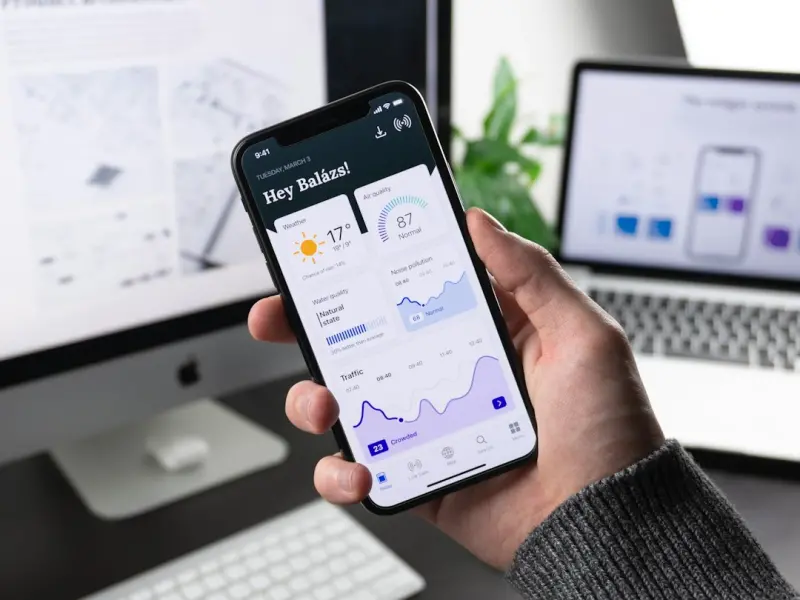
Inclusive Mobile Apps: Boost Business with Accessibility
Accessibility isn’t just a legal requirement—it’s a strategic growth engine. Learn how designing inclusive mobile experiences expands your market, improve...Read More
0 Comments
Post Comment
You will need to Login or Register to comment on this post!